 0
0
 0
0
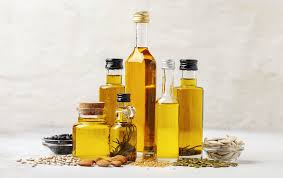
A natural compound found in extra-virgin olive oil has shown the ability to kill cancer cells in just 30 minutes, according to a study by researchers from Rutgers University and Hunter College. The findings, published in the journal Molecular & Cellular Oncology, highlight oleocanthal, a phenolic compound in olive oil, as a potential breakthrough in cancer treatment.
In laboratory experiments, scientists observed that oleocanthal targets lysosomes—the cell’s waste-disposal centers—within cancer cells, causing them to rupture and die rapidly. Remarkably, this effect was seen within 30 to 60 minutes of exposure. Importantly, healthy cells were only temporarily affected and recovered fully, suggesting a high degree of selectivity for cancer cells.
Lead researcher David Foster noted, “We think oleocanthal could explain the lower cancer rates in populations following the Mediterranean diet, where olive oil consumption is high.” The Mediterranean diet, already known for its heart and brain health benefits, may thus offer additional protection against cancer due to the presence of oleocanthal in olive oil.
The study also found that oleocanthal levels vary among different olive oils depending on their origin, harvest time, and processing methods. Oils with higher oleocanthal content were as effective as the purified compound in killing cancer cells in vitro.
Paul Breslin, another lead scientist, explained the mechanism: “Once you open a lysosome, all hell breaks loose.” The rupture of lysosomes triggers a cascade that leads to rapid necrosis of the cancer cells, a process distinct from the slower, programmed cell death (apoptosis) typically seen in healthy cells.
While these results are promising, the research was conducted in laboratory settings. Scientists emphasize that further studies, including clinical trials, are needed to determine whether oleocanthal can be developed into a therapeutic cancer treatment for humans.
Disclaimer:
The findings described above are based on laboratory studies and have not yet been confirmed in human clinical trials. Extra-virgin olive oil and its compounds should not be considered a substitute for conventional cancer treatments. Always consult healthcare professionals for medical advice and treatment options.