 0
0
 0
0
A groundbreaking study published in Science uncovers an oestrogen-driven pathway that heightens gut sensitivity in females, explaining why women suffer more from conditions like irritable bowel syndrome (IBS). Conducted using male and female mouse models by researchers from the South Australian Health and Medical Research Institute (SAHMRI) and the University of California, San Francisco (UCSF), the findings link hormonal fluctuations to amplified pain signals in the colon. Reported on January 13, 2026, this discovery offers fresh insights into visceral pain disorders that affect millions worldwide.
Key Findings from the Research
Researchers identified a precise oestrogen-responsive mechanism involving enteroendocrine cells in the gut epithelium. Oestrogen up-regulates the short-chain fatty acid receptor Olfr78 on peptide YY (PYY)-expressing L cells in the colon, boosting their sensitivity to acetate—a metabolite produced by gut bacteria breaking down certain carbohydrates. This triggers increased PYY release, which acts on nearby serotonergic enterochromaffin (EC) cells via NPY1R receptors, elevating serotonin output and sensitizing mucosal nerves to transmit stronger pain signals to the brain.
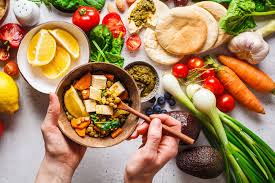
In experiments, ovariectomized female mice (with ovaries removed to deplete oestrogen) showed reduced gut pain responses matching males, but a single dose of oestrogen restored female-level sensitivity. Male mice given oestrogen also exhibited heightened responses, confirming the hormone’s direct role. The pathway’s amplification by dietary factors, like short-chain fatty acids from high-FODMAP foods (e.g., garlic, apples, wheat, dairy), provides a biological basis for why low-FODMAP diets alleviate symptoms in many patients.
Stuart Brierley, director of SAHMRI’s Visceral Pain Research Group and senior author, explained: “Oestrogen activates a pathway in the colon that increases the release of the gut hormone PYY. PYY then stimulates neighbouring serotonin-producing enterochromaffin cells, boosting serotonin output and sensitising the nerves that send pain messages to the brain.”
Background on Gut Pain Disorders
Gastrointestinal disorders like IBS affect 10-15% of the global population, with visceral pain as a hallmark symptom. Women experience these at nearly twice the rate of men—pooled prevalence of 14% in women versus 8.9% in men across population studies using Rome criteria. Women are also more prone to constipation-predominant IBS (IBS-C, 40% vs. 21% in men), often with intensified bloating and abdominal pain.
The female bias has long puzzled experts, with prior research hinting at hormonal influences but lacking cellular detail. Fluctuations during menstrual cycles, pregnancy, or menopause often worsen symptoms, alongside stressors or diet. This new study bridges that gap, showing how oestrogen amplifies a “paracrine pathway”—a local cell-to-cell signaling loop akin to a whisper chain in the gut wall that escalates minor irritants into severe pain.
Expert Perspectives
Experts not involved in the study hailed its precision. “This reveals a cellular cascade where oestrogen tunes cross-talk between rare gut cells, directly linking hormones to pain,” noted Amélie Joly and Irene Miguel-Aliaga in a Science perspective. They emphasized potential for targeted therapies without disrupting digestion.
Dr. Helena Gibbons, a UCSF gastroenterologist, added: “Confirming this in humans could transform IBS management, especially for women where current treatments fall short.” She highlighted the pathway’s responsiveness to diet, aligning with clinical observations. Limitations noted by reviewers include the mouse model’s focus on colon distension and capsaicin stimuli, not fully mimicking human IBS triggers like stress or inflammation.
Brierley cautioned: “While promising, translation to humans requires clinical trials, as gut microbiomes and hormones interact complexly.” He sees hope in blocking PYY or serotonin receptors selectively.
Public Health Implications
This research reframes IBS not just as “functional” but as hormonally modulated, urging sex-specific care. For the 2:1 female skew in clinic visits, it validates low-FODMAP diets—restricting fermentable oligosaccharides, disaccharides, monosaccharides, and polyols—which reduce short-chain fatty acids feeding the pathway. Patients might track symptoms with menstrual cycles for personalized plans.
Broader impacts include endometriosis and functional dyspepsia, where visceral hypersensitivity prevails. Blocking the pathway “at the right point may reduce chronic gut pain without affecting normal digestive functions,” Brierley said. Future drugs targeting NPY1R or Olfr78 could offer relief, potentially decreasing opioid reliance for pain.
In India, where IBS affects urban populations amid dietary shifts, this underscores gut health screening for women. Public health campaigns could promote balanced fiber intake and hormone-aware nutrition.
Limitations and Future Directions
As a preclinical mouse study, human validation is essential—mice lack menstrual cycles, and ethical limits bar direct oestrogen manipulation. Variability in gut microbiomes, influenced by diet and genetics, may alter short-chain fatty acid production. No direct causation for all IBS subtypes was proven, and mixed findings exist on oestrogen’s effects.
Conflicting views note psychological factors or help-seeking biases inflate female diagnoses. Ongoing trials must test antagonists in diverse cohorts. Venkataraman et al. propose combining with stress/diet studies for holistic insights.
This work advances evidence-based care, emphasizing multidisciplinary approaches.
References
- https://www.theweek.in/wire-updates/national/2026/01/13/study-points-to-oestrogen-linked-pathway-for-greater-gut-sensitivity-in-women.html
Medical Disclaimer: This article is for informational purposes only and should not be considered medical advice. Always consult with qualified healthcare professionals before making any health-related decisions or changes to your treatment plan. The information presented here is based on current research and expert opinions, which may evolve as new evidence emerges.