 0
0
 0
0
Bhubaneswar, Odisha – January 15, 2026 – Odisha is set to become the first state in India to launch a comprehensive chronic kidney disease (CKD) registry by March 31, 2026, aiming to map prevalence, identify hotspots, and guide targeted interventions. Health officials announced the initiative, driven by a state task force under the Chief Secretary, to address gaps in national data collection where previous efforts by the Nephrologists Association of India have stalled. This move responds to alarming CKD rates in the state, estimated at around 14% among adults over 15 years old, amid a national surge linked to diabetes and hypertension.
Initiative Details
The Odisha Health Department has formed a 12-member state task force chaired by the Chief Secretary and a 17-member technical sub-committee including experts from AIIMS, ICMR, health institutes, pollution control boards, and departments handling drinking water, geology, and Panchayati Raj. The National Informatics Centre (NIC) is developing custom software, with funds allocated to accelerate rollout across all healthcare levels—from primary health centers (PHCs) to medical colleges—where institutions will report CKD cases systematically. Susanta Kumar Swain, Additional Director of Health Services (Non-Communicable Diseases), emphasized that current data captures only about 10% of cases (dialysis patients), leaving 90% in early, undetected stages.
This registry builds on earlier efforts, such as a February 2025 task force formation and ICMR-RMRC studies documenting over 4,600 CKD-related deaths in Odisha over three years, with hotspots in Cuttack and Sambalpur districts. By serving as a baseline for research, it will track etiologies, including 60% of cases tied to diabetes and hypertension, and 40% as CKD of unknown origin (CKDU), potentially linked to environmental factors like water quality or pesticides.
CKD Burden in Odisha and India
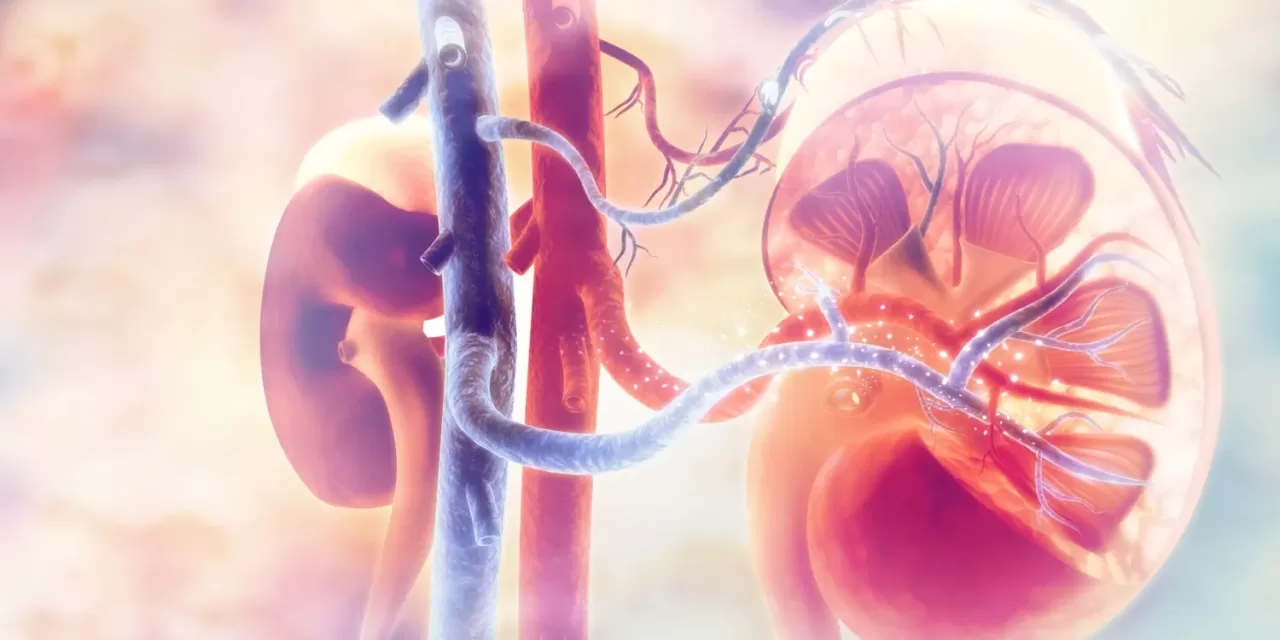
Chronic kidney disease, defined as gradual loss of kidney function over time (measured by estimated glomerular filtration rate below 60 mL/min/1.73 m² for three months), affects kidneys’ ability to filter waste, leading to complications like anemia, bone disease, and cardiovascular risks. In Odisha, local studies highlight hotspots: a 2020 screening in Cuttack’s Narsinghpur block found 14.3% prevalence, with 10.8% CKDU cases unrelated to diabetes or hypertension. Statewide, prevalence hovers at 14% for those over 15, fueling over 500 hemodialysis machines across 70 centers.
Nationally, CKD prevalence has risen from 11.12% (2011-2017) to 16.38% (2018-2023) among adults over 15, with India bearing 138 million cases—second only to China—and rural areas hit harder at 15.34% versus 10.65% urban. Diabetes nephropathy leads causes (31.1%), followed by hypertension, with projections warning CKD could rank among India’s top-five killers by 2040. Early symptoms like fatigue, swelling, or high blood pressure often go unnoticed, leading to end-stage renal disease requiring dialysis or transplants.
Expert Perspectives
“This registry is a game-changer, filling critical data voids for evidence-based policy,” said Swain, noting it will pinpoint risk factors and treatment outcomes, unlike the inactive national registry launched in 2005 by the Indian Society of Nephrology. Dr. Narayan Prasad, Professor of Nephrology at SGPGIMS (not involved in the Odisha project), views it as vital: “State-level registries enable tailored screening, especially for CKDU clusters possibly from toxins or poor water—key in Odisha’s agrarian belts. Early detection via simple blood tests can halt progression in 90% of early cases.”
Global nephrologists echo benefits: Registries track demographics, etiologies, and outcomes, aiding prevention as seen in models like the U.S.USRDS. In India, where NPCDCS overlooks kidney care despite high non-communicable disease loads, this could inspire nationwide adoption.
Public Health Implications
For Odisha’s 46 million residents, the registry promises proactive measures: hotspot mapping for block-level surveys, early interventions like blood pressure screening, diabetes control, and safe water initiatives. Practically, readers can monitor risks—control blood sugar (target HbA1c <7%), maintain BP under 130/80 mmHg, stay hydrated, avoid nephrotoxic herbs/pesticides, and get annual eGFR/creatinine tests if over 40 or at-risk. Publicly, it reduces dialysis dependency (costing ₹20,000-30,000/month), cuts catastrophic expenses, and boosts productivity by detecting reversible early CKD.
Broader impacts include research on CKDU (e.g., Bargarh pesticide links) and policy integration with Ayushman Bharat for subsidized care. Diverse perspectives highlight environmental angles: Pollution board involvement probes contaminants, vital as heat stress and toxins amplify risks in low-income areas.
Limitations and Challenges
Challenges persist: Software glitches, underreporting from rural PHCs, and funding sustainability could hinder rollout. CKDU etiology remains unclear—pesticides, heavy metals, or genetics?—requiring deeper probes beyond registry data. Nationally, fragmented efforts and low awareness (98.6% undiagnosed in some pilots) demand scaling. Critics note registries alone won’t suffice without prevention; hypertension/diabetes screening must expand under NPCDCS.
Despite this, Odisha’s model offers a blueprint, potentially lowering the 229 per million ESRD incidence through data-driven action.
(Word count: 1,048)
Medical Disclaimer: This article is for informational purposes only and should not be considered medical advice. Always consult with qualified healthcare professionals before making any health-related decisions or changes to your treatment plan. The information presented here is based on current research and expert opinions, which may evolve as new evidence emerges.
References:
-
Times of India. “Odisha to be 1st state in country to plan chronic kidney disease registry.” January 13, 2026. https://timesofindia.indiatimes.com/city/bhubaneswar/odisha-to-be-1st-state-in-country-to-plan-chronic-kidney-disease-registry/articleshow/126520039.cms[timesofindia.indiatimes]