 0
0
 0
0
On January 21, 2026, the Odisha government issued a comprehensive notification prohibiting the manufacture, storage, sale, distribution, and transportation of all tobacco- and nicotine-containing products, marking a significant escalation in the state’s fight against smokeless tobacco. This sweeping ban, notified by the Health and Family Welfare Department under Secretary Aswathy S., supersedes a 2013 order and closes previous loopholes by targeting all flavoured, scented, or additive-mixed items like gutka, pan masala, zarda, khaini, and any unpackaged or separately sold mixes. Driven by alarming public health data and Supreme Court directives, the measure addresses Odisha’s smokeless tobacco prevalence—over 42% among adults, nearly double India’s national average—aiming to curb cancer and addiction epidemics.
Key Developments in the Ban
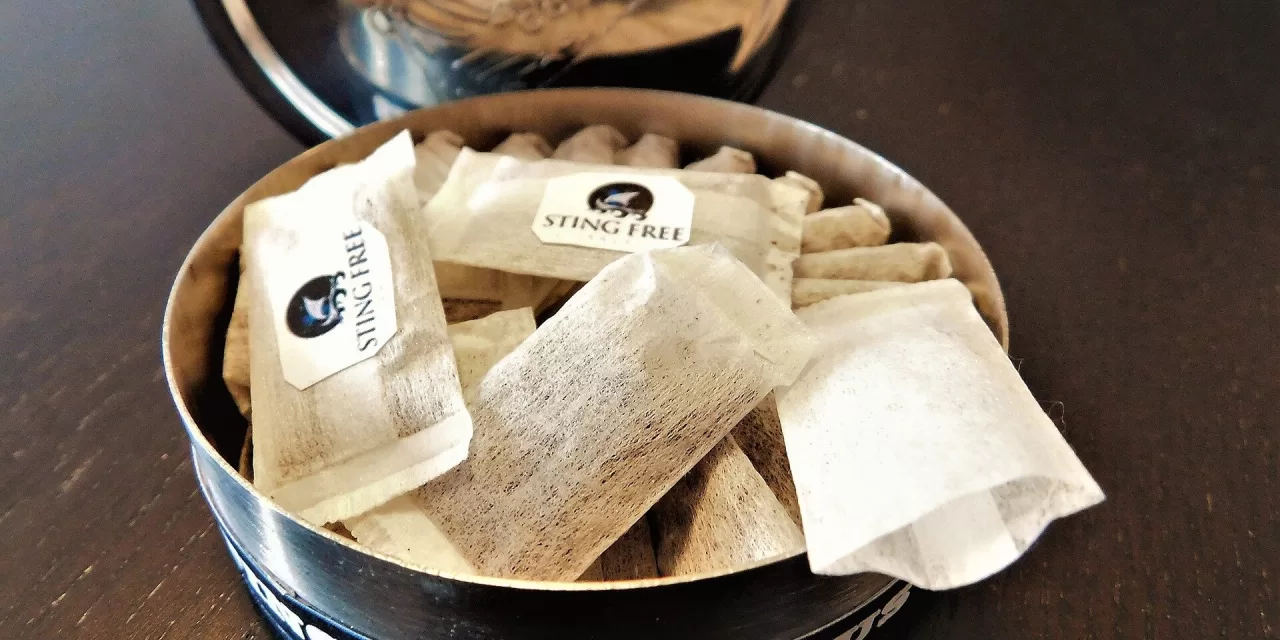
The new rules explicitly ban all oral tobacco products regardless of form, packaging, or marketing, including those consumers mix themselves, such as betel quid with areca nut or slaked lime. Unlike prior restrictions focused mainly on gutka, this order encompasses non-chewable nicotine items and aligns with Food Safety and Standards Authority of India (FSSAI) guidelines, reinforced by Supreme Court resolutions for stricter enforcement. Health Minister Mukesh Mahaling announced district-level monitoring by drug inspectors, with large-scale drives to penalize violations under public health and food safety laws.
Enforcement will prioritize hotspots like rural areas and urban markets in Bhubaneswar, where unpackaged products evade past bans. The notification cites widespread availability of these hazardous items as a core rationale, emphasizing risks to children and young adults who initiate use around age 17.
Public Health Crisis Driving the Decision
Odisha faces one of India’s highest smokeless tobacco burdens: the Global Adult Tobacco Survey (GATS-2, 2016-17) reports 45.6% overall adult tobacco use, with smokeless forms at 42%—57.6% among men and 33.6% among women—showing minimal decline from GATS-1. Rural prevalence hits 48.7%, fueling oral health damage and dependency.
The International Agency for Research on Cancer (IARC), under WHO, classifies chewing tobacco like zarda, khaini, and gutka as Group 1 carcinogens, linking them to mouth, esophagus, stomach, pancreas, throat, larynx, and kidney cancers. Studies confirm sufficient evidence for these risks, with relative risks up to 14 for chewers in India using khaini or zarda. Nationally, 38% of adults use tobacco, with smokeless forms dominant at 51% among users, straining healthcare systems.
Expert Commentary and Perspectives
Health experts hail the ban as a “public health victory” that could reduce availability and catalyze statewide action. Dr. Pawan, from ICanCaRe involved in Odisha cessation trials, stresses: “Medical treatment like nicotine replacement therapy (NRT) for 3 months frees users from cravings; combined with behavioral support, it boosts quit rates significantly.” A clinical trial at SCB Dental College, Cuttack, demonstrated NRT’s efficacy in tobacco cessation, advocating over-the-counter access.
Prof. Pratima Murthy, Head of Psychiatry at NIMHANS (not directly involved), notes on tobacco risks: “Smokers or chewers face more complications and fatality risks; quitting improves lung function and immunity within months.” Civil society groups like Voluntary Health Association of India echo: “Such bans applaudably protect against spread of harm, urging cessation support.” However, traders voice concerns over livelihoods in tobacco supply chains, calling for alternatives amid past revenue of thousands of crores from these products.
Historical Context and National Framework
Odisha banned gutka in 2013, but loopholes allowed scented pan masala and mixes to proliferate. This builds on Supreme Court orders, including 2011 directives for states to ban gutkha/pan masala sales and 2022 compliance mandates. India-wide, 28 states/UTs temporarily banned smokeless tobacco during COVID-19 to curb spitting. Programs like Tobacco MARSHAL (launched 2025 in Bhubaneswar) and quitlines (9773856664) complement bans with awareness and NRT.
Implications for Public Health and Daily Life
If enforced robustly, the ban could slash initiation among youth, lower cancer incidence, and ease Odisha’s healthcare load from tobacco-linked diseases. For consumers, it means seeking cessation aids: NRT patches/gums reduce withdrawal, while apps and counseling address peer pressure—”Motivation plus meds works,” per experts. Healthcare professionals should ramp up screening for oral lesions and promote person-first language like “people using tobacco” to reduce stigma.
Communities gain from fewer secondhand exposures via spitting, fostering tobacco-free spaces. Long-term, it aligns with India’s National Tobacco Control Programme, potentially halving prevalence if paired with education.
Limitations, Challenges, and Counterarguments
Past bans faltered due to poor enforcement, black markets, and ambiguities now addressed but requiring vigilant monitoring. Economic fallout looms: Odisha risks ₹1,047 crore annual revenue loss from a ₹6,595 crore decade-long tobacco tax haul, impacting small vendors and farmers. Critics argue livelihoods for four crore nationwide need safeguarding via retraining, though evidence shows no safe tobacco level.
Sustaining quits demands expanded programs; without them, substitution to cigarettes (unbanned here) risks dual use. Diverse views highlight balancing health gains against transitions for affected workers.
This landmark policy underscores evidence-based action, but success hinges on enforcement, support, and equity.
Medical Disclaimer: This article is for informational purposes only and should not be considered medical advice. Always consult with qualified healthcare professionals before making any health-related decisions or changes to your treatment plan. The information presented here is based on current research and expert opinions, which may evolve as new evidence emerges.
References
-
Pradhan, H. (2026, January 22). Odisha imposes complete ban on all chewable tobacco, nicotine products. The Economic Times. https://health.economictimes.indiatimes.com/news/policy/odisha-imposes-complete-ban-on-all-chewable-tobacco-nicotine-products/127220106