 0
0
 0
0
December 1, 2025
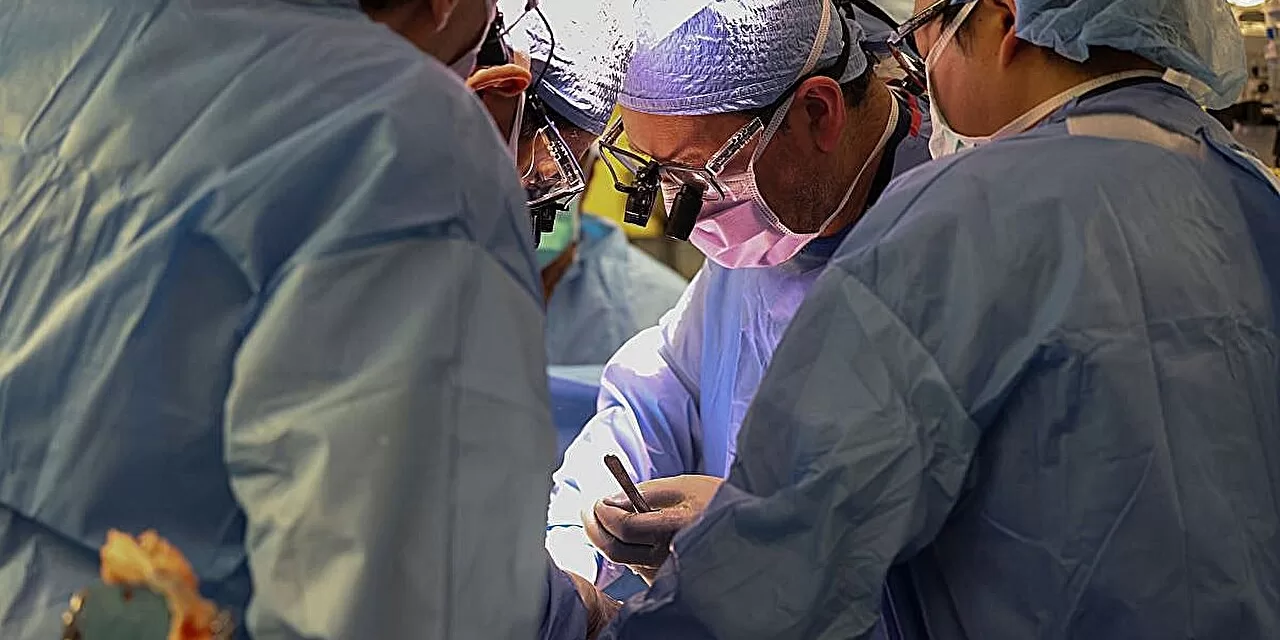
CUTTACK/BHUBANESWAR – In a decisive move to address a mortality rate described by the High Court as “alarming,” the Odisha government has initiated an emergency collaboration with premier national institutions to overhaul the Cardiothoracic and Vascular Surgery (CTVS) department at SCB Medical College and Hospital (SCBMCH).
The intervention comes after the state’s largest government-run healthcare facility reported that nearly one in three patients undergoing open-heart surgery failed to survive earlier this year, prompting judicial scrutiny and a frantic bid to upgrade clinical safety protocols.
The Crisis at Cuttack
SCB Medical College in Cuttack serves as the critical lifeline for millions of patients in Odisha, many of whom cannot afford private healthcare. However, recent data submitted to the Orissa High Court revealed a disturbing trend: between January and August 2025, the mortality rate for open-heart surgeries at the facility stood at 31%.
While typical benchmarks for such procedures in high-volume centers across India hover around 7% or lower, the figures at SCBMCH triggered suo motu cognisance by the High Court. A Division Bench comprising Justice S.K. Sahoo and Justice V. Narasingh expressed deep concern over the statistics, noting that “one-third mortality is deeply concerning” and emphasizing that “mortality review is not a paper exercise—families deserve answers.”
Strategic Intervention
In response to the judicial directive and the public health imperative, the Odisha Health and Family Welfare Department, led by Secretary Aswathy S., has formally sought technical assistance from two institutions with “excellent track records”: AIIMS New Delhi and the Government Medical College (GMC), Kottayam in Kerala.
According to an affidavit filed by the state government, the partnership will focus on three core pillars:
-
Hands-on Training: Faculty and nursing staff from SCBMCH will undergo a seven-day intensive exposure program at AIIMS New Delhi to adopt best practices in surgical management and post-operative care.
-
Expert Supervision: Expert teams from AIIMS and GMC Kottayam will visit Cuttack to guide local surgeons and audit the operation theatre (OT) and Intensive Care Unit (ICU) infrastructure.
-
Protocol Standardization: The department has already introduced a new “Policy and Procedure on Open Heart Surgeries,” a Standard Operating Procedure (SOP) aimed at minimizing errors during Coronary Artery Bypass Grafting (CABG) and valve replacements.
Early Signs of Stabilization
Departmental heads claim the scrutiny is already yielding results. Dr. Manoj Pattnaik, Head of the CTVS Department at SCBMCH, informed the court that following “proactive measures” and internal audits, the mortality rate had dropped to 17% by October 2025.
“In September and October, we performed 29 open-heart surgeries, resulting in five patient deaths,” the department reported. While this marks a significant improvement from the 31% high, it remains more than double the national average of 7% cited by the High Court as the target benchmark.
Expert Perspectives: The “Volume-Outcome” Relationship
Independent healthcare experts suggest that the struggles at SCBMCH highlight a common challenge in public sector tertiary care: the delicate balance between patient volume, infrastructure, and specialized staffing.
“Cardiac surgery is unforgiving; it requires not just a skilled surgeon but a flawless symphony of perfusionists, anesthetists, and specialized ICU nurses,” explains Dr. Rajiv Mehta, a senior cardiac surgeon and hospital administrator who is not involved in the SCBMCH review. “When mortality rates spike in a specific unit, it often points to systemic strain—be it equipment fatigue, staffing gaps, or a breakdown in post-operative infection control—rather than just surgical error.”
Dr. Mehta adds, “The ‘Volume-Outcome’ relationship is well-documented in medical literature. Units that perform high volumes of surgeries under strict protocols generally have better survival rates. The collaboration with high-volume centers like AIIMS is the correct remedial step to re-establish that rhythm.”
Implications for Public Health
The stakes for the people of Odisha are high. For many low-income families, SCBMCH is the only accessible option for life-saving cardiac interventions. If the department is deemed unsafe, patients are forced to seek treatment in private hospitals where costs can exceed ₹3-5 lakhs ($3,500-$6,000), causing catastrophic financial distress.
The court has directed the state to ensure that the reliance on expert help translates into tangible survival gains. “This court hopes that steps shall be taken at least to bring down the mortality rate to 7%, if not to make an endeavour to improve it and make it even less,” the Bench ordered.
Road Ahead
The state government has assured the court that it is aggressively recruiting fresh faculty and Senior Residents to address staff shortages, a key factor cited for the department’s struggles. The progress of this expert collaboration and the subsequent mortality data will be reviewed by the High Court in the coming weeks.
For now, the medical community in Odisha watches closely, hoping that the expertise from Delhi and Kerala can help restore faith in the state’s premier heart center.
Medical Disclaimer:
This article is for informational purposes only and should not be considered medical advice. Always consult with qualified healthcare professionals before making any health-related decisions or changes to your treatment plan. The information presented here is based on current research and expert opinions, which may evolve as new evidence emerges.
References
-
News Report: Rajput, K. (2025, November 30). “Odisha Govt seeks expert help to curb alarming open-heart surgery deaths at SCBMCH.” Medical Dialogues. Retrieved from https://medicaldialogues.in