 0
0
 0
0
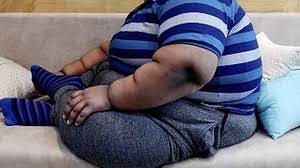
India is facing an unprecedented surge in obesity, a crisis that experts are calling a “silent tsunami” threatening to overwhelm the nation’s healthcare system and economic productivity. Recent projections warn that by 2050, nearly one-third of Indians-about 449 million people-could be obese, with the crisis rapidly spreading from urban centers to rural areas and affecting all age groups, including adolescents.
A Rapidly Escalating Epidemic
The numbers paint a stark picture. According to a Lancet study, India’s population of overweight and obese individuals has ballooned from approximately 53 million in 1990 to 236 million in 2021-a nearly five-fold increase over three decades. If current trends persist, India will have the world’s second-highest number of overweight and obese people by 2050, trailing only China.
This epidemic is not limited to adults. In 2021, India recorded the highest number of overweight or obese young people globally, surpassing both China and the United States. The number of overweight or obese male adolescents rose from 4 million in 1990 to 16.8 million in 2021, with projections of 22.7 million by 2050. Among young women, the figures increased from 3.3 million to 13 million in the same period, expected to reach 16.9 million by 2050.
Health and Economic Fallout
Obesity is a major driver of non-communicable diseases (NCDs) such as type 2 diabetes, cardiovascular disease, fatty liver, hormonal disorders, infertility, and certain cancers. India already leads the world in diabetes cases, with over 101 million people affected, and is witnessing a surge in cancer and heart disease, often striking at younger ages than ever before.
The economic consequences are equally dire. Obesity-related illnesses are projected to cost India $13 billion by 2025, and the broader burden of NCDs and obesity could result in a $4.58 trillion loss to the Indian economy before 2030. The loss of workforce productivity and mounting healthcare expenses threaten to undermine decades of progress in public health and economic development.
Underlying Causes and Systemic Drivers
Experts attribute the obesity crisis to a complex interplay of factors:
-
Increased consumption of ultra-processed foods and beverages, with India seeing one of the world’s highest growth rates in sales between 2009 and 2019.
-
Aggressive marketing and expansion by multinational food and beverage corporations, particularly in low- and middle-income countries with weaker regulations.
-
Sedentary lifestyles and poor dietary habits, now prevalent across both urban and rural communities.
Dr. Rajesh Upadhyay, director at Max Super Speciality Hospital, Delhi, emphasizes that “obesity is not a cosmetic issue. It is a clinical, systemic concern that is driving a surge in diseases like fatty liver, diabetes, gastrointestinal complications, and heart disease”.
The Call for Urgent Action
Health experts are urging a comprehensive, multi-sectoral response. This includes:
-
Nutritional reform in school and hospital canteens
-
Preventive health screenings accessible to all
-
Major shifts in medical education to prioritize obesity prevention and management
-
Stronger regulations on food marketing and agricultural subsidies
Dr. Mohsin Wali of Sir Ganga Ram Hospital warns, “This is India’s silent tsunami. The burden of obesity is not always visible on the surface, but its impact is evident in hospital admissions, in the rise of chronic illnesses, and in the younger age of onset for lifestyle diseases. We must treat this as a national emergency”.
The Road Ahead
If left unchecked, the obesity epidemic could shorten life expectancy for future generations and place unsustainable pressure on India’s healthcare infrastructure. Experts stress that prevention must begin at the institutional level and be supported by coordinated public policy and community engagement.
Disclaimer:
This article is based on expert opinions and projections from recent studies, including those published in The Lancet and statements from leading Indian healthcare professionals. The information is intended for general awareness and should not be construed as medical advice. For personal health concerns, readers are advised to consult qualified healthcare providers.
Citations: