 0
0
 0
0
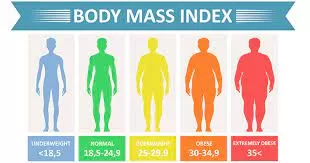
A landmark global health shift has occurred in 2025, with obesity now exceeding underweight conditions among school-aged children and adolescents worldwide, according to a new UNICEF report. The UN agency’s data reveals that approximately 1 in 10 youth aged 5 to 19—some 188 million children—are classified as obese, a figure that has tripled since 2000, driven by increasingly unhealthy food environments and aggressive marketing of ultra-processed foods. This milestone highlights a critical public health challenge as obesity significantly raises the risk of chronic diseases such as type 2 diabetes, cardiovascular conditions, and certain cancers.
Key Findings and Data
UNICEF’s report, “Feeding Profit: How Food Environments are Failing Children,” used data collected from 2000 to 2022 and projected trends beyond 2022 to uncover this historic tipping point. Globally, the prevalence of obesity among children and adolescents rose from 3% in 2000 to 9.4% in 2025, while underweight prevalence in the same age group dropped from nearly 13% to 9.2%. Obesity now surpasses underweight in every region except sub-Saharan Africa and South Asia. In some Pacific Island nations like Niue and the Cook Islands, obesity affects nearly 40% of youth aged 5-19; in the United States and United Arab Emirates, obesity rates stand at 21% among this demographic.
This shift reflects a complex global nutrition transition. Although underweight and malnutrition remain significant issues in low-resource settings, the rapid expansion of unhealthy diets rich in sugar, salt, and unhealthy fats—particularly ultra-processed foods—is fueling a parallel epidemic of overweight and obesity worldwide. UNICEF emphasizes that now, malnutrition discussions must consider this dual burden encompassing both undernutrition and overnutrition.
Expert Perspectives
“This is a wake-up call about how we define malnutrition,” said UNICEF Executive Director Catherine Russell. “Obesity is a growing health concern for children that impacts their growth and development.” She underscored the replacement of nutritious foods with ultra-processed products as a primary driver, linking this trend to negative outcomes in physical and cognitive health among youth.
Professor Chris Van Tulleken, a global health expert at University College London and author of “Ultra-Processed People,” remarked, “Obesity is not a failure of parents or children. It is a consequence of toxic food environments shaped by the commercial promotion of unhealthy foods.” UNICEF’s survey of 64,000 young people across 170 countries found that 75% had seen advertisements for sugary drinks, snacks, or fast food within the past week, reflecting the pervasive influence of marketing.
Context and Background
The rise of childhood obesity is not new but has accelerated alarmingly in recent decades. Worldwide trends show a dramatic increase in overweight and obesity due largely to lifestyle and dietary changes associated with urbanization, globalization of food markets, and increased availability of low-cost, calorie-dense but nutrient-poor foods. The World Health Organization (WHO) classifies obesity as a serious public health issue because it raises the risk of insulin resistance, hypertension, type 2 diabetes, heart disease, and some cancers later in life.
UNICEF’s findings align with broader global health data, such as WHO estimates that over 390 million children and adolescents aged 5-19 were overweight in 2022, including 160 million living with obesity. The consequences extend beyond physical health, potentially affecting mental well-being and social outcomes.
Implications for Public Health and Policy
The report calls for urgent government action to reverse this trend through policy measures such as restricting marketing of unhealthy foods targeted at children, prohibiting junk food sales in schools, and improving access to wholesome foods. Such interventions aim to transform the “toxic food environments” that shape children’s eating habits.
Healthcare providers are also encouraged to support families with evidence-based interventions and promote healthy lifestyle changes without stigmatizing those affected by obesity. Emerging weight-loss medications for adolescents, approved in some countries like the United States, represent additional clinical options but not a universal solution.
Limitations and Counterarguments
While the data presented is robust and compiled from over 190 countries, UNICEF and other experts caution that underweight malnutrition remains a serious issue in certain regions, particularly sub-Saharan Africa and South Asia, where food insecurity and poverty contribute to child undernutrition. The dual burden means that global health responses must be tailored to local contexts rather than framed as one-size-fits-all.
In addition, some critics note that emphasizing obesity may inadvertently lead to stigmatization, underlining the importance of balanced, person-first messaging that highlights systemic factors rather than individual blame.
What This Means for Readers
For health-conscious readers and families, the UNICEF report underscores the importance of fostering healthy dietary patterns starting in childhood. Limiting exposure to ultra-processed and fast foods high in sugar, salt, and unhealthy fats, prioritizing fruits, vegetables, and whole foods, and encouraging regular physical activity can help reduce obesity risk.
Awareness of food marketing tactics and advocating for healthier school food environments are also practical steps families and communities can take. Moreover, staying informed about evidence-based interventions and engaging with healthcare professionals regarding weight and nutrition concerns remains essential.
Medical Disclaimer: This article is for informational purposes only and should not be considered medical advice. Always consult with qualified healthcare professionals before making any health-related decisions or changes to your treatment plan. The information presented here is based on current research and expert opinions, which may evolve as new evidence emerges.
Reference Section