 0
0
 0
0
March 10, 2026
NEW DELHI — As global obesity rates climb to unprecedented levels, medical experts are sounding an urgent alarm over a “dual epidemic” that is quietly dismantling public health: the direct link between excess body weight and Chronic Kidney Disease (CKD). Recent clinical data and global health projections indicate that obesity is no longer just a secondary risk factor for kidney failure but a primary driver that often causes irreversible organ damage long before symptoms appear. With over 700,000 deaths projected to be caused by high BMI-related kidney issues by 2040, healthcare providers are shifting their focus toward aggressive early screening and sustainable weight management as the first line of defense.
The Hidden Strain: How Excess Weight Damages Kidneys
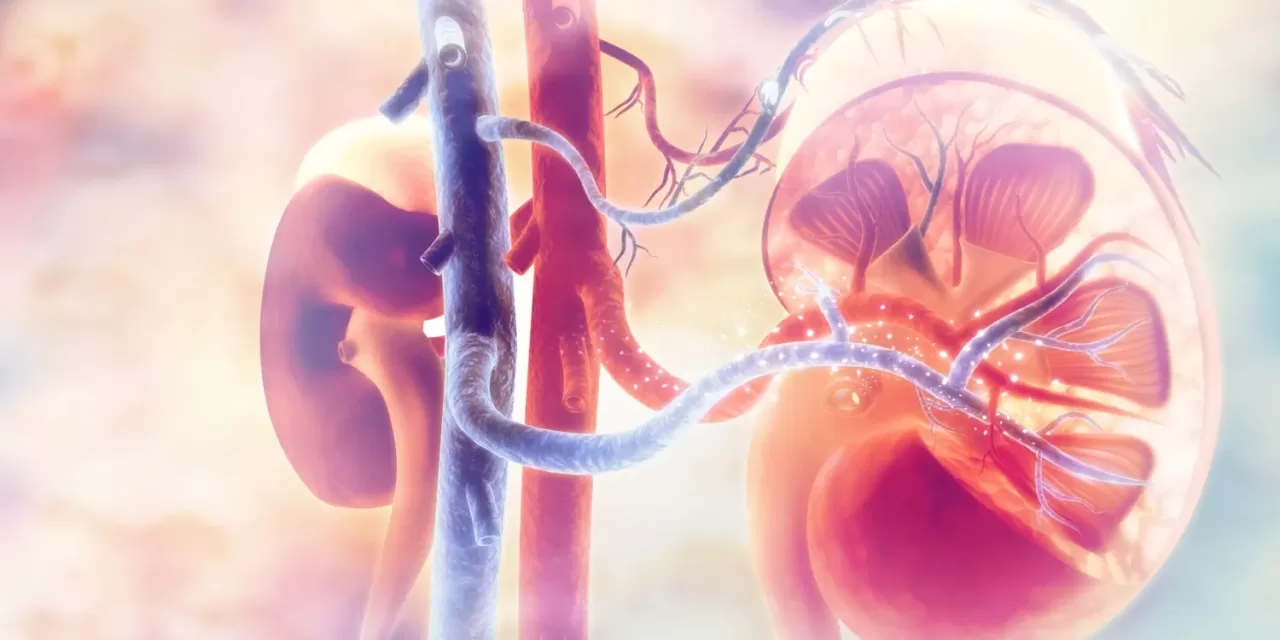
The human kidneys are remarkable filtration systems, processing between 150 and 180 liters of blood daily to regulate fluids and remove metabolic waste. However, when a person carries excess weight, these bean-shaped organs are forced into a state of “hyperfiltration.”
In individuals with obesity, the kidneys must work harder to meet the metabolic demands of a larger body mass. This increased workload triggers a process where the kidneys process more blood than they are designed to handle. Over time, this intense pressure scars the nephrons—the millions of tiny units responsible for filtering blood. Once these units are scarred, they cannot be repaired.
A 2025 analysis published in Kidney International highlights the severity of this strain, finding that individuals with a Body Mass Index (BMI) of 35 or higher face triple the risk of developing advanced CKD compared to those with a normal BMI.
“Chronic kidney disease rarely appears suddenly; it develops quietly over years,” notes Dr. Bilal Thangal T.M., Medical Lead at NURA AI Health Screening Centre. “Many patients say they never felt anything wrong until the damage was already at an advanced stage. By the time fatigue or swelling sets in, significant function may already be lost.”
A “Perfect Storm” of Metabolic Complications
Obesity rarely acts as a lone assailant. It typically clusters with other conditions—diabetes, hypertension, and dyslipidemia—forming what clinicians call metabolic syndrome. This combination creates a “perfect storm” for kidney health:
-
Diabetes: High blood sugar levels damage the small blood vessels within the kidneys.
-
Hypertension: High blood pressure increases the force of blood against the artery walls, further stressing the kidney’s filtration system.
-
Inflammation: Adipose (fat) tissue produces inflammatory markers that can directly injure kidney cells.
In India, the crisis is particularly acute. A pan-India study revealed that over 50% of CKD patients are obese, with abdominal obesity rates reaching 63% in women. Even in the absence of diabetes or high blood pressure, researchers have found that obesity remains an independent risk factor for glomerular injury—the damage to the kidney’s starting point of filtration.
The “Silent” Nature of CKD and the Urgency of Screening
The primary danger of CKD is its lack of early symptoms. Common signs like leg swelling, foamy urine (indicating protein loss), or persistent nausea usually do not emerge until the kidneys have lost more than 50% of their functional capacity.
To combat this, nephrologists are urging high-risk groups—specifically those who are overweight or have metabolic syndrome—to undergo two simple, life-saving tests:
-
eGFR (Estimated Glomerular Filtration Rate): A blood test that measures how well the kidneys are filtering waste.
-
uACR (Urine Albumin-Creatinine Ratio): A urine test that checks for albumin, a protein that “leaks” into the urine when the kidneys are damaged.
Dr. Ram Mohan Sripad Bhat, Consultant Nephrologist at Narayana Health, emphasizes that early detection can slow the progression of the disease by up to 30% through targeted interventions. “Maintaining a healthy BMI protects kidneys by curbing the progression of the very diseases—like diabetes—that destroy them,” says Dr. Bhat.
Weight Management as a Clinical Intervention
The good news for patients is that the kidneys are highly responsive to weight loss. Research suggests that a modest reduction of just 5% to 10% of total body weight can significantly ease kidney strain.
Benefits of Weight Loss for Kidney Health:
-
Improved Insulin Sensitivity: Reduces the risk of diabetic kidney damage.
-
Blood Pressure Stabilization: Lowers the physical pressure on nephrons.
-
Reduced Proteinuria: Decreases the amount of protein leaked into the urine, a key marker of kidney stress.
While lifestyle tweaks like 30 minutes of daily brisk walking and a diet low in salt and processed sugars are the gold standard, more intensive options are being considered for severe cases. The KDIGO 2025 consensus noted that bariatric surgery in cases of morbid obesity has been shown to slash long-term CKD risk, providing benefits even in non-diabetic patients.
Public Health Implications and Limitations
As urbanization continues to drive sedentary lifestyles, the “dual epidemic” of obesity and CKD presents a massive challenge for public health infrastructure. In India, where the burden of high-BMI attributed CKD is rising rapidly, prevention through education is seen as the only sustainable path forward.
However, experts also note that the relationship between weight and kidney health is complex. “Not every person with obesity will develop CKD,” explains one researcher. “Genetics and the duration of obesity play massive roles. Those who develop obesity early in life are at the highest risk.” Furthermore, the concept of “metabolically healthy obesity”—where an individual is overweight but has normal blood pressure and sugar—is being scrutinized, as these individuals still show elevated odds of kidney decline over the long term.
Practical Steps for Readers
To protect your kidney function, health authorities recommend the following:
-
Track your BMI: Aim for a BMI under 25 kg/m² (specifically for Asian populations, where risk thresholds are lower).
-
Monitor Waist Circumference: Risks increase for men with a waist over 90cm and women over 80cm.
-
Annual Screening: If you are overweight, request eGFR and uACR tests during your annual physical.
Medical Disclaimer: This article is for informational purposes only and should not be considered medical advice. Always consult with qualified healthcare professionals before making any health-related decisions or changes to your treatment plan. The information presented here is based on current research and expert opinions, which may evolve as new evidence emerges.
References