 0
0
 0
0
February 25, 2026
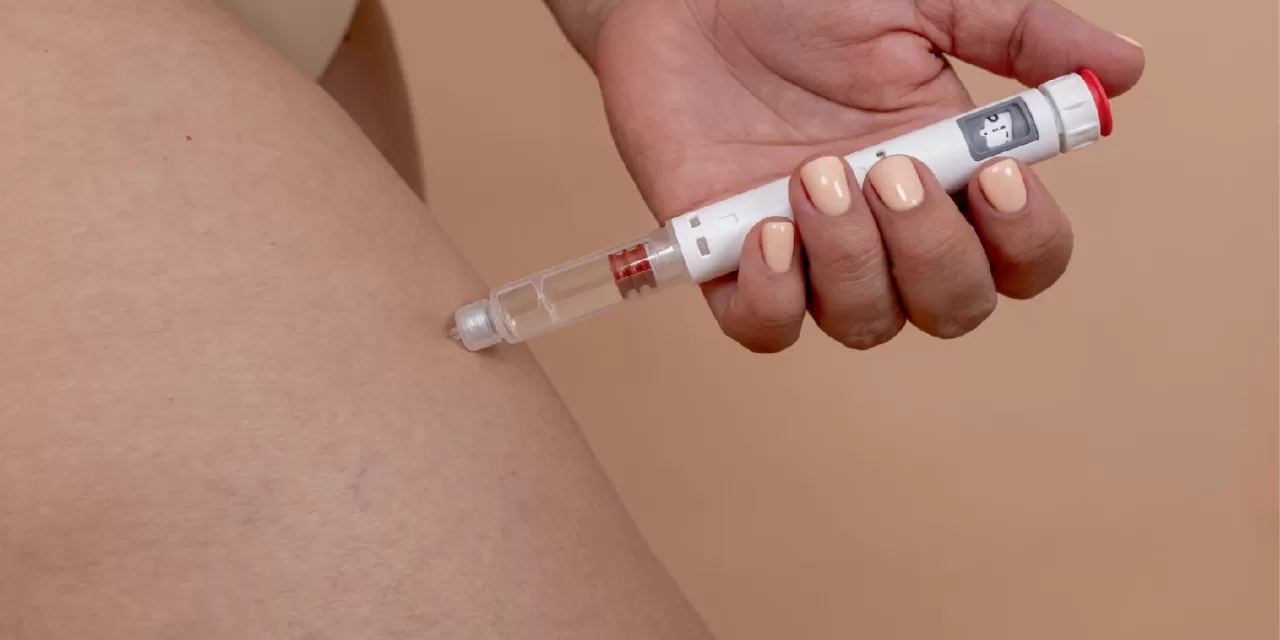
BAGSVÆRD, Denmark — In a landmark move for American pharmaceutical pricing, Novo Nordisk announced on February 24, 2026, that it will slash the U.S. list prices for its blockbuster GLP-1 medications—Ozempic, Wegovy, and Rybelsus—by as much as 50%. Effective January 1, 2027, the pharmaceutical giant will implement a uniform monthly list price of $675 across all doses of these semaglutide-based treatments. This strategic pivot aims to dismantle significant cost barriers for millions of patients, particularly those with high-deductible insurance plans, while navigating an increasingly competitive market and intensifying government pressure to lower healthcare costs.
A Unified Price Point for Metabolic Health
The price restructuring represents a major shift in how Novo Nordisk values its “triple threat” of semaglutide products. Currently, these medications carry list prices that often exceed $1,000 per month, creating a steep “pharmacy counter shock” for patients whose insurance requires them to pay a percentage of the list price.
Under the new 2027 pricing structure:
-
Wegovy (injectable for weight management) will drop from $1,349 to $675—a 50% reduction.
-
Ozempic (injectable for type 2 diabetes) and Rybelsus (oral tablet) will drop from approximately $1,028 to $675—a 35% reduction.
“Our actions today answer the call to remove cost barriers so the value of Wegovy and Ozempic can be realized by more patients,” stated Jamey Millar, Novo Nordisk’s President of U.S. Operations. The company emphasized that this move specifically targets patients in high-deductible health plans or those with co-insurance, where out-of-pocket expenses are directly tethered to the list price.
The GLP-1 Revolution: Efficacy vs. Access
Semaglutide belongs to a class of drugs known as glucagon-like peptide-1 (GLP-1) receptor agonists. These medications mimic a natural hormone that regulates blood sugar, slows gastric emptying, and signals fullness to the brain.
The clinical impact of these drugs has been transformative. Research has shown that Wegovy users can lose between 15% and 20% of their body weight over 68 weeks. Meanwhile, Ozempic has been shown to lower A1C levels by 1% to 2% and significantly reduce the risk of major cardiovascular events in patients with type 2 diabetes.
Despite these benefits, a “prescription access crisis” has persisted. By late 2025, U.S. prescriptions surpassed 15 million monthly, yet data from the American Journal of Managed Care (AJMC) indicates that 40% of GLP-1 prescriptions go unfilled, largely due to insurance denials or prohibitive costs. Currently, only about 3% of eligible adults with obesity actually receive these medications.
Expert Perspectives: Progress with Caveats
While the medical community has largely praised the price cuts, many experts suggest that list price reductions are only one piece of a complex puzzle.
Dr. Fatima Cody Stanford, an obesity medicine specialist at Massachusetts General Hospital, welcomed the news but noted that price isn’t the only barrier. “While list price reductions help those with coinsurance, true equity requires broader insurance mandates and addressing supply shortages that disproportionately affect underserved communities,” Dr. Stanford said. She highlighted that Black and Hispanic populations, who face higher rates of diabetes and obesity, often have the highest rates of unfilled prescriptions.
Dr. David Kessler, former FDA commissioner, viewed the move as a reaction to a shifting market. “These GLP-1s represent a paradigm shift in chronic disease management,” Kessler noted. “However, pricing wars could erode margins without expanding volume enough—we must watch for long-term sustainability.”
Public Health Implications
The potential ripple effect of this price cut on the American healthcare system is substantial. With U.S. obesity costs estimated at $173 billion annually, broader access to semaglutide could lead to:
-
Reduced Hospitalizations: Fewer complications from heart disease and stroke.
-
Increased Adherence: Lower out-of-pocket costs typically correlate with patients staying on their medication longer.
-
Direct Savings: A patient with 30% coinsurance on Wegovy would see their monthly bill drop from $405 to approximately $203.
Market Pressure and Policy Shifts
The timing of Novo Nordisk’s announcement is no coincidence. It aligns with the 2027 Medicare price caps mandated by the Inflation Reduction Act (IRA). Furthermore, the pharmaceutical industry is facing unprecedented pressure from the Trump administration’s “most-favored-nation” pricing initiatives.
Through platforms like TrumpRx.gov, Medicare beneficiaries are expected to see prices as low as $274 monthly for these medications by 2027. This move also intensifies the rivalry with Eli Lilly, whose drugs Zepbound and Mounjaro have been gaining significant market share, leading to what analysts are calling a “GLP-1 price war.”
Limitations and Potential Downsides
Critics of the announcement argue that for many Americans, the “list price” is a phantom number. Most insured patients currently pay $25 or less through manufacturer rebate programs. Consequently, those who are completely uninsured or in “cash-pay” channels may not see immediate relief from a list price cut unless the underlying net prices also fall.
Furthermore, investors have expressed concern. Following the announcement, Novo Nordisk shares saw a slight slump as markets factored in lower profit margins. There are also concerns that a “price war” with Eli Lilly could lead to a “lose-lose” scenario for research and development funding if volume gains do not offset the lower per-unit revenue.
Finally, the price cut does not resolve the ongoing supply constraints. Novo Nordisk has struggled to keep up with global demand, and lower prices may further strain a supply chain that is already operating at near-maximum capacity.
What This Means for You
For the average consumer, this announcement signals a future where these life-altering medications are more integrated into standard care rather than being “luxury” treatments.
-
If you are on Medicare: You are likely to see the most significant and immediate savings starting in 2027.
-
If you have private insurance: Check if your plan uses “coinsurance” (a percentage) or a “copay” (a flat fee). If you pay a percentage, your costs will likely drop significantly in 2027.
-
If you are uninsured: While the list price is dropping, you should continue to look into manufacturer savings cards and “cash-pay” options (currently ranging from $149–$499) which may still be cheaper than the new list price.
As the 2027 implementation date approaches, patients are encouraged to use tools like NovoCare.com to track coverage changes and savings opportunities.
References
-
Novo Nordisk Press Release. “Novo Nordisk announces significant reduction in US list price for Wegovy, Ozempic and Rybelsus.” PR Newswire, Feb 24, 2026.
Medical Disclaimer: This article is for informational purposes only and should not be considered medical advice. Always consult with qualified healthcare professionals before making any health-related decisions or changes to your treatment plan. The information presented here is based on current research and expert opinions, which may evolve as new evidence emerges.