 0
0
 0
0
On November 11, 2025, Danish pharmaceutical giant Novo Nordisk announced a significant reduction in the price of its weight-loss drug Wegovy in India, lowering costs by as much as 37% across various dosages. The new monthly price for the highest dose stands at ₹16,400, a dramatic drop from the earlier ₹24,389—an effort aimed at making treatment more accessible for millions living with obesity and countering fierce competition from rival therapies such as Eli Lilly’s Mounjaro. This move is set to reshape India’s obesity management landscape at a time when the market for anti-obesity medication is expanding rapidly.
Key Developments and Findings
-
Wegovy’s new pricing structure significantly lowers the financial barrier for patients. The starting (0.25 mg) dose now costs ₹2,712 per week, compared to the previous ₹4,336, while the highest dose (2.4 mg) is available for ₹16,400 per month, from ₹24,389 earlier.
-
The price reduction brings injectable Wegovy closer to the cost of oral semaglutide tablets, such as Rybelsus, which are priced at ₹10,000–13,000 per month.
-
The timing coincides with the market entry of Eli Lilly’s Mounjaro, a competing GLP-1 agonist, which became India’s top-selling drug by value in October 2025.
-
Novo Nordisk has also strengthened its distribution partnership, joining forces with Emcure Pharmaceuticals to improve accessibility, especially in smaller cities and towns where obesity rates are rising.
Expert Perspectives
Dr. Amar Vennapusa, a bariatric surgeon based in Hyderabad, commented: “This appears like prices have been slashed to better compete with Mounjaro in a price-sensitive market like India. More affordable anti-obesity options will likely improve uptake, especially in the middle class”.
Jay Thyagarajan, Senior Vice President for Asia Pacific at Novo Nordisk, stated: “Recognising India’s obesity challenge, we launched Wegovy recently. Our partnership with Emcure brings cutting-edge GLP-1 therapies into reach for more diverse regions”
Background and Context
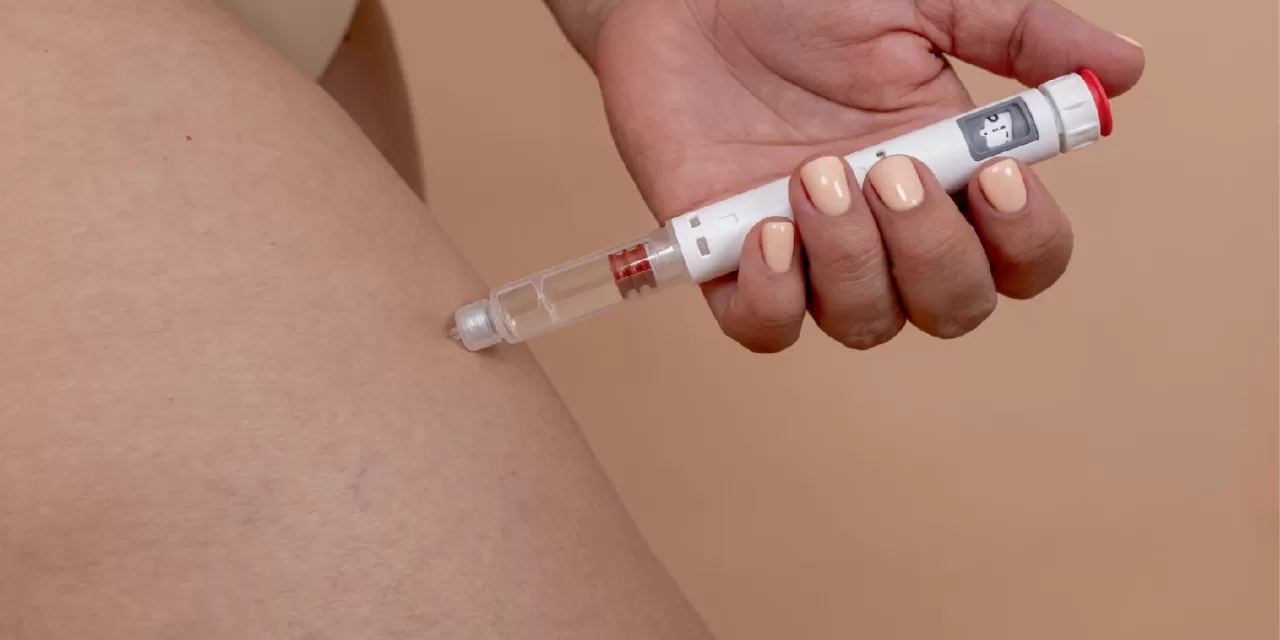
Wegovy (semaglutide) is a once-weekly injectable medication originally developed for type 2 diabetes but now widely used for chronic weight management. It belongs to a class of drugs called GLP-1 receptor agonists, which mimic gut hormones to lower appetite and calorie intake. The Central Drugs Standard Control Organisation (CDSCO) approved Wegovy for obesity treatment in India in June 2025.
India faces a mounting obesity epidemic, with estimates suggesting over 135 million adults living with obesity—a figure expected to rise further as urban lifestyles change. The broader category of weight-loss drugs is forecasted to become a $150 billion global market by 2030.
Implications for Public Health
-
Access & Affordability: The reduced price better accommodates the budget of Indian patients, including the middle class, allowing wider adoption of medical treatment for obesity—a known risk factor for diabetes, heart disease, and many other conditions.
-
Potential Reach: Expansion into smaller cities and rural areas, enabled by Emcure’s network, promises targeted intervention for India’s growing overweight and obese populations.
-
Therapeutic Role: Wegovy has demonstrated, in multiple clinical trials, significant sustained weight loss when combined with lifestyle modifications. In a pivotal 68-week global trial (SELECT Study, 2021), adults on Wegovy lost an average of 15% of body weight, compared to 2.4% in placebo—a clinically meaningful result.
Limitations and Counterarguments
-
Side Effects: Wegovy, like other GLP-1 agonists, may cause nausea, vomiting, diarrhea, and rarely pancreatitis. Long-term safety data for Indian populations remain limited.1mg+1
-
Access Challenges: Despite the price cut, the drug remains prescription-only and requires regular medical supervision; affordability may still be an issue for many.ndtvprofit+1
-
Market Competition: Mounjaro (tirzepatide), which mimics two gut hormones, has shown even greater weight loss in trials, intensifying competition and possibly driving further price shifts.
Practical Implications for Patients and Providers
-
Individuals considering anti-obesity medications should consult healthcare professionals to determine if Wegovy or alternative treatments are appropriate, factoring in medical history and drug tolerability.
-
Healthcare providers now have additional tools to tackle obesity, but must balance efficacy, cost, side effects, and patient expectations.
-
Patients currently using Wegovy should discuss any changes in dosing or discontinuation with their doctor, rather than stopping abruptly, as withdrawal may lead to weight regain.
Medical Disclaimer
Medical Disclaimer: This article is for informational purposes only and should not be considered medical advice. Always consult with qualified healthcare professionals before making any health-related decisions or changes to your treatment plan. The information presented here is based on current research and expert opinions, which may evolve as new evidence emerges.
References