 0
0
 0
0
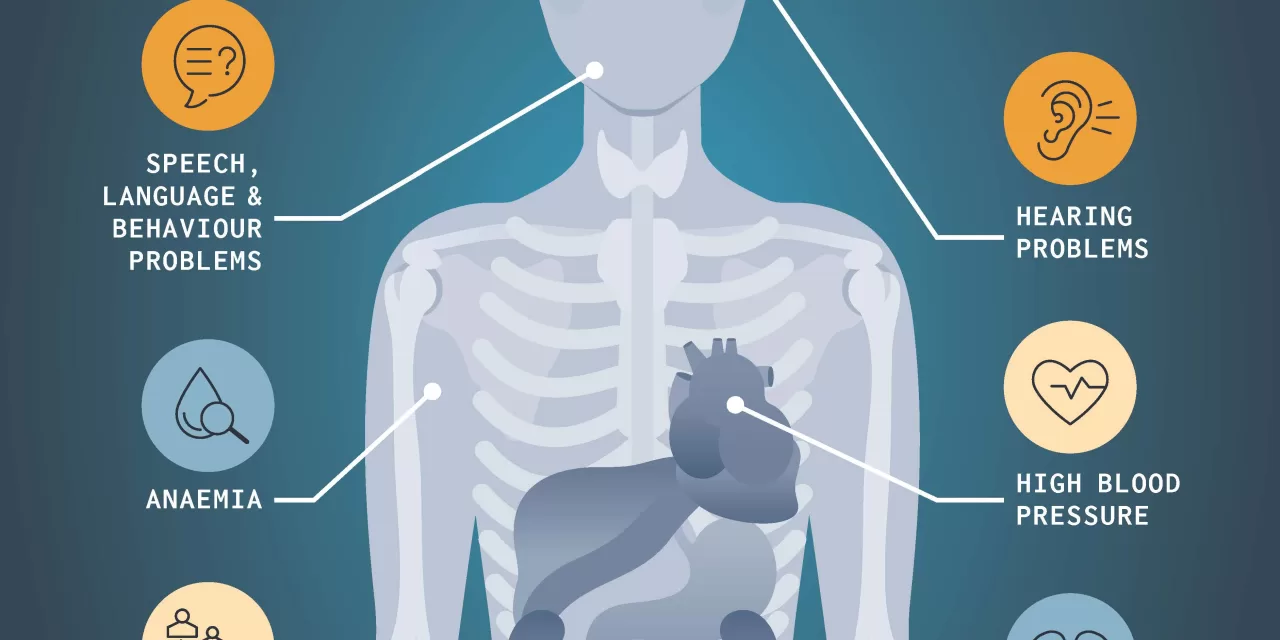
Lead exposure remains a serious global health threat. It is linked to approximately 1.5 million deaths annually, primarily from cardiovascular disease, and causes irreversible neurological and behavioural damage, especially in children. Young children absorb significantly more lead than adults, leading to reduced IQ, learning difficulties, and behavioural problems. Lead exposure also harms the developing fetus.
Lead is present in numerous everyday materials, including paint, batteries, cosmetics, and even spices, and contaminates air, water, and soil, resulting in persistent exposure in communities worldwide.
Progress has been made, including the ban on lead in petrol and efforts by many countries to restrict lead in paints. However, WHO stresses that voluntary measures are not enough. Comprehensive bans on the production, import, sale, and use of lead-based paints must be implemented and strictly enforced to prevent exposure, particularly among children.
The campaign, held annually, aims to:
- raise awareness about the health effects of lead exposure;
- highlight national and partner efforts to prevent lead exposure, particularly in children; and
- urge countries to eliminate lead paint through strong regulatory action.
Governments, civil society organizations, health partners, and communities are encouraged to organize campaigns during ILPPW. WHO provides advocacy and technical materials to support these activities and invites organizers to register events on the campaign webpage to showcase actions worldwide.
Ending lead poisoning is not only possible, it is within reach. WHO urges all governments, organizations, and communities to act decisively to protect children and future generations from this preventable health threat.