 0
0
 0
0
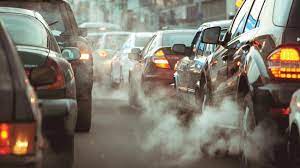
A new Danish study has found that repeated spikes in fine particulate matter (PM2.5) are not associated with an increased risk of major adverse cardiovascular events (MACEs) such as heart attack, stroke, or cardiovascular death. The research, published in the Journal of Cardiology, challenges some previous assumptions about the impact of air pollution on heart health.
Study Overview
Researchers analyzed data from 26,723 men aged 65–74 who participated in the Viborg Vascular (VIVA) and Danish Cardiovascular Screening (DANCAVAS) trials. The team used sophisticated air pollution models to estimate monthly PM2.5 levels at participants’ residential addresses over four decades (1979–2019). PM2.5 peaks were defined as monthly averages exceeding the long-term mean by more than two standard deviations.
Key Findings
-
Higher Exposure, No Higher Risk: While participants who experienced cardiovascular events had higher exposure to PM2.5 peaks, the study found no significant increase in MACE risk associated with these peaks after adjusting for factors like age, smoking, BMI, noise, and socioeconomic status.
-
Chronic Exposure More Important: The results suggest that chronic, sustained exposure to PM2.5-rather than occasional spikes-may be a more significant risk factor for cardiovascular disease, at least in populations with relatively low overall pollution, such as Denmark.
-
Robust Results: Sensitivity analyses using different definitions of PM2.5 peaks and time windows before cardiovascular events consistently supported the lack of association.
Limitations and Future Research
The study’s findings may not be generalizable to women, younger individuals, or populations in regions with much higher air pollution. Future research is needed to confirm these results in more diverse settings.
Conclusion
This study provides important insights into the complex relationship between air pollution and heart health, emphasizing the need for ongoing research and public health strategies focused on long-term exposure.
Disclaimer:
This article is based on a scientific study published in the Journal of Cardiology. The findings are limited to the specific population and environmental conditions studied. Individual health outcomes may vary, and air pollution remains a significant public health concern. Always consult healthcare professionals for personalized medical advice. For more details, refer to the original study and your local health authorities.
Source: News-Medical.net