 0
0
 0
0
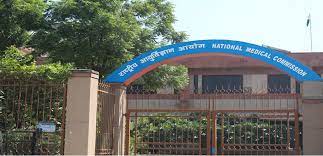
New Delhi — The Union Minister of State for Health, Anupriya Patel, has officially clarified in a recent Rajya Sabha reply that the National Medical Commission (NMC) has not imposed any freeze on the approvals of new medical colleges or the increase in MBBS seats for the academic year 2025-2026. This announcement puts to rest widespread speculation fueled by earlier reports linking a freeze to the ongoing bribery scandal in NMC’s inspection process.
According to Minister Patel, the NMC continues to follow a structured and transparent process for evaluating and approving applications related to new medical colleges and the augmentation of undergraduate (UG) and postgraduate (PG) medical seats. The Medical Assessment and Rating Board (MARB) under the NMC invites applications annually through an online portal, where only institutions meeting stringent eligibility criteria as per the Minimum Standard Requirements (MSR) issued by the Undergraduate and Postgraduate Medical Education Boards are considered for approval.
Key Steps in the NMC Approval Process
The process includes:
-
Preliminary scrutiny of applications by MARB.
-
Issuance of show cause notices (SCN) if deficiencies are found, allowing institutions time to rectify.
-
Objective assessment carried out by randomly selected expert assessors.
-
Use of multiple verification methods including Aadhaar-based attendance registers, live video feeds, photographic evidence, Hospital Management Information System (HMIS) data, and surprise physical inspections.
-
Final approval only granted when institutions comply fully with the NMC Act, 2019 and related regulations.
Minister Patel emphasized that no decision to freeze approvals or increase constraints has been taken by the NMC, underlining that all applications continue to be processed in line with established regulations.
Context: The Inspection Bribery Scandal
The clarification follows earlier media reports that alleged a freeze on new medical seats, apparently as a fallout from the CBI investigation into bribery during medical college inspections. The probe revealed that certain medical colleges received approvals fraudulently despite lacking essential infrastructure, qualified faculty, or adequate patient care facilities. This scandal had sparked concerns regarding the integrity of medical education approvals in India.
Expert Commentary
Dr. R.K. Verma, a health policy expert and former medical educator, remarked, “Maintaining transparency and strict compliance in medical college approvals is critical to uphold education standards and patient safety. The NMC’s comprehensive evaluation mechanisms, incorporating digital data and surprise inspections, are positive steps towards robust governance.”
Public Health Implications
India’s healthcare system depends heavily on a steady supply of qualified medical professionals. Expanding medical education capacity responsibly is vital to meet the country’s growing healthcare needs. Minister Patel’s statement assures students, educators, and policymakers that capacity building through new colleges and additional seats will proceed without unwarranted interruption, provided all regulatory standards are met.
At the same time, the rigorous oversight described by the NMC aims to prevent the rise of substandard institutions that could compromise medical education quality and patient care.
Potential Limitations and Ongoing Challenges
While the NMC’s process appears well structured, sustaining high standards across hundreds of institutions remains challenging. The bribery scandal revealed vulnerabilities in oversight that must be continually addressed. Some experts argue for even more independent monitoring and increased transparency to fully restore public trust.
Furthermore, balancing rapid expansion of medical education with quality assurance will require ongoing vigilance to ensure new approvals translate into competent doctors ready to serve diverse healthcare settings.
What This Means for Students and Healthcare Consumers
For aspiring medical students, this development signals that admission opportunities will continue to grow without unexpected freezes, encouraging planning and preparation for future medical education. Healthcare consumers can expect regulatory efforts to uphold the standards of medical training institutions, which ultimately impacts the quality of care delivered in clinical practice.
In Summary
The Union Health Ministry’s clear statement dispels rumors of a freeze in new medical college approvals or seat increases for 2025-26, reaffirming that the NMC maintains a rigorous, transparent approval process despite past challenges. This balanced approach seeks to expand medical education capacity responsibly while safeguarding education quality and institutional integrity.
Medical Disclaimer: This article is for informational purposes only and should not be considered medical advice. Always consult with qualified healthcare professionals before making any health-related decisions or changes to your treatment plan. The information presented here is based on current research and expert opinions, which may evolve as new evidence emerges.
References
-
“No NMC decision to freeze approvals of new medical colleges, increase in seats: Health Minister tells Parliament.” Medical Dialogues, August 2025.
-
NMC Act, 2019; Establishment of Medical Institutions, Assessment and Rating Regulations, 2023.
-
Interview with Dr. R.K. Verma, Health Policy Expert and Former Medical Educator.
-
Central Bureau of Investigation (CBI) Reports on Medical College Inspection Bribery Scandal, 2024.