 0
0
 0
0
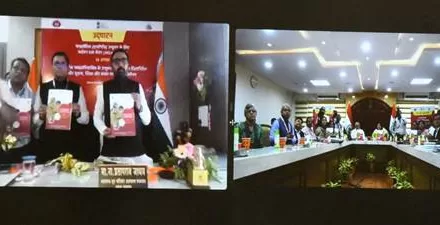
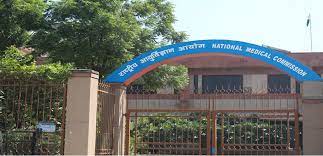
The National Medical Commission (NMC) has rolled out the Medical Institutions (Qualifications of Faculty) Regulations, 2025, in a significant move to tackle the persistent shortage of medical faculty and elevate the standards of medical education in India. Announced on July 5, 2025, by the Post Graduate Medical Education Board (PGMEB), these regulations are set to support the government’s ambitious plan to add 75,000 new medical seats over the next five years.
-
: The new rules make it easier for medical colleges to appoint faculty, including non-medical teachers holding MSc or PhD qualifications, particularly in non-clinical subjects.
-
: By broadening faculty eligibility, the NMC aims to boost both undergraduate (MBBS) and postgraduate (MD/MS) seat availability.
-
Focus on Rural and Underserved Areas: The regulations are intended to help newly established colleges, especially those in suburban, rural, and hilly regions, address faculty shortages more effectively.
The National MSc Medical Teachers’ Association (NMMTA) has welcomed the restoration of the 30% appointment limit for MSc/PhD faculty in five non-clinical subjects. The association described this as a “decisive and inclusive policy change,” correcting what they saw as restrictive guidelines from previous regulations. They argue that this move will help bridge faculty gaps in underserved areas and create a “win-win” situation for both institutions and educators.
Despite the positive reception from some quarters, several experts have voiced concerns about the potential impact on the quality of medical education. Dr. Maheshwari, a prominent medical educator, emphasized that teaching medicine requires not only academic qualifications but also specific pedagogical skills and proper training. He warned that “there can be no loopholes here,” highlighting the need for patience and effective knowledge transfer in teaching.
Dr. Maheshwari also criticized the lack of robust checks and balances, pointing out ongoing issues with corruption, inadequate inspections, and the undue influence of powerful interests. He questioned whether simply increasing the number of medical seats would address deeper systemic issues, particularly in rural healthcare delivery, where doctors face low salaries, limited resources, and various risks.
India’s current doctor-to-population ratio stands at 1:811, surpassing the World Health Organization’s recommended ratio of 1:1000. However, the NMC’s push to produce more doctors has reignited debates about whether the focus should be on quantity or quality, and whether the reforms can truly address the complex challenges facing India’s healthcare system.
This article is based on information available as of July 8, 2025, and draws primarily from the report published by Edex Live. The perspectives and opinions cited reflect those of the individuals and organizations mentioned in the source material. Readers are encouraged to consult official NMC communications and additional sources for the most current and comprehensive information on the regulations.