 0
0
 0
0
Medical Teachers Raise Concerns Over Inclusion of MSc/PhD Holders and Private Practitioners
Nagpur, July 18, 2025:
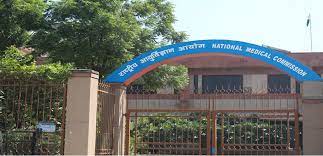
The National Medical Commission’s (NMC) latest amendment to faculty eligibility norms in medical colleges has sparked significant backlash from the Maharashtra State Medical Teachers Association, which has expressed strong objections to the recent regulatory changes.
Key Points of the New Regulations
-
The NMC’s Medical Institutions (Qualifications of Faculty) Regulations, 2025, published in the Gazette on June 30, 2025, allow non-MBBS holders—specifically those with MSc or PhD degrees in pre-clinical and para-clinical subjects—to comprise up to 30% of faculty posts in departments like Anatomy, Physiology, Biochemistry, Microbiology, and Pharmacology.
-
The regulations also permit lateral entry of non-teaching practitioners, including private practitioners and medical officers from public health settings, as faculty in medical institutions if they possess the required postgraduate degree and hospital experience.
Background and Changes
Historically, medical MSc degree holders were allowed to teach in relevant departments (up to 30%, or even 50% in Biochemistry), but this proportion was gradually reduced. In October 2020, NMC limited Medical MSc/PhD faculty to just 15% in certain subjects (Anatomy, Biochemistry, Physiology) and completely excluded them from Microbiology and Pharmacology departments. New guidelines in 2023 reinforced these restrictions.
However, the July 2025 amendment restores the allowance for up to 30% non-medical teachers—provided no suitably qualified medical teachers are available.
Maharashtra Medical Teachers’ Objections
-
The Maharashtra State Medical Teachers Association contends that including non-MBBS individuals and private practitioners from non-teaching settings could compromise the integrity and quality of medical education.
-
The association claims that “permitting non-medical faculty or non-teaching practitioners dilutes the standard of medical education and may have serious implications for future healthcare quality.”
-
They argue that instead of addressing faculty shortages by relaxing eligibility, the NMC should focus on improving working conditions and incentives for medical teachers.
The National MSc Medical Teachers’ Association’s Stand
Contrarily, the National MSc Medical Teachers’ Association asserts that MSc and PhD holders in medical subjects are not merely “science graduates,” but have been essential to medical teaching in India since the 1960s. They point out that:
-
Many other countries, including the United States, predominantly recruit science PhDs to teach non-clinical subjects.
-
Indian MSc medical postgraduates—often trained alongside MBBS graduates—undergo substantial medical training, bridging background gaps.
-
The move should be seen as a way to complement rather than compete with traditional MBBS/MD educators.
They urge the medical community to “let both categories of teachers complement one another and work collaboratively for the betterment of medical education in the country.”
Conclusion
The NMC’s revised regulations have ignited a debate over the balance between expanding faculty eligibility and upholding the quality of medical education in India. As both sides present strong arguments, the outcome of this dispute may influence the future landscape of India’s medical colleges.
Disclaimer
This article is based on information reported by Medical Dialogues and summarizes viewpoints from multiple associations regarding the recent NMC regulations. The objective is to present factual events and diverse perspectives. Readers are encouraged to consult official NMC announcements and stakeholder communications for comprehensive updates.