 0
0
 0
0
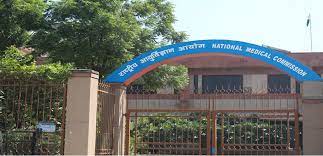
New Delhi: A recent Right to Information (RTI) response has revealed that the Postgraduate Medical Education Board (PGMEB) of the National Medical Commission (NMC) has “no data available” on non‑teaching government hospitals with 220 or more beds that have been designated as teaching institutions under newly notified faculty regulations, raising questions about transparency and implementation of India’s latest medical education reforms. The RTI, filed by the Federation of Resident Doctors Association (FORDA), specifically sought an official list of such hospitals, but the NMC’s Central Public Information Officer replied that no such data were available with the Board. The disclosure comes just months after the NMC expanded eligibility for teaching status to 220‑bed government hospitals as part of a strategy to ease faculty shortages and support the planned expansion of medical seats across the country.
What changed in NMC rules?
In 2025, the NMC’s Postgraduate Medical Education Board notified the Medical Institutions (Qualifications of Faculty) Regulations, 2025, which allow non‑teaching government hospitals with more than 220 beds to be designated as teaching institutions. This marked a significant relaxation from earlier norms, under which only larger 330‑bed government hospitals could typically be converted into teaching units or associated with medical colleges.
These changes are aligned with broader policy moves such as the Minimum Standard Requirement (MSR) Regulations, 2023, which set a minimum of 220 functional beds for medical colleges with an intake of 50 MBBS students. Collectively, the reforms aim to increase India’s undergraduate and postgraduate training capacity, with government plans to add around 75,000 medical seats over five years, partly by leveraging existing government hospital infrastructure.
The RTI request and NMC’s reply
The RTI application was submitted by Dr Meet Ghonia, National General Secretary of FORDA, to clarify how many non‑teaching government hospitals with 220+ beds had actually been designated as teaching institutions under the new regulations. The application requested a hospital‑wise list, along with dates of designation and references to relevant orders or notifications, to understand how the expanded eligibility was being implemented on the ground.
In its written response, the CPIO of PGMEB stated that “no such data is available,” indicating that the Board does not maintain a consolidated record of these newly eligible teaching facilities. This absence of official data has surprised many stakeholders because teaching status is directly linked to faculty eligibility, postgraduate course approvals, and the number of training seats available to residents across specialties.
Why the 220‑bed rule matters
Recognising 220‑bed government hospitals as teaching institutions is designed to address chronic faculty shortages and accelerate the expansion of MD/MS and diploma seats. Under the new faculty qualification norms, consultants and specialists with a postgraduate degree and at least two years’ experience in a qualifying 220‑bed government hospital may be eligible for appointment as assistant professors without prior senior residency, provided they complete a basic course in biomedical research within a set timeframe.
In parallel, postgraduate medical colleges started as standalone PG institutions are required to have a minimum of 220 beds and specified core departments such as biochemistry, pathology, microbiology, radiodiagnosis, and anaesthesiology, reflecting the central role of hospital capacity in training standards. By lowering the bed‑count threshold from about 330 to 220, policymakers aim to harness more district and secondary‑level hospitals as teaching hubs, particularly in underserved regions where there are few medical colleges.
Expert concerns about data gaps
Speaking to Medical Dialogues, Dr Ghonia described the RTI response as an important warning sign, arguing that regulations referring to “220+ bed” teaching institutions should be backed by clear, accessible, and updated lists of designated hospitals. In his view, regulations that directly affect training capacity and specialist seats must rest on robust data and documentation so that institutions, trainees, and the public can track how reforms are being implemented.
Independent medical education experts echo similar concerns, noting that when a regulator relaxes standards to expand capacity, transparent data on eligible institutions becomes essential to protect training quality. Without such data, stakeholders may struggle to verify whether hospitals claiming teaching status actually meet the required clinical load, bed occupancy, and departmental infrastructure laid out in NMC’s minimum standards.
Implications for resident doctors and students
For resident doctors, the way 220‑bed hospitals are designated and documented has immediate implications for career progression. Eligibility for academic posts such as assistant professor often depends on whether prior service was undertaken in recognised teaching institutions or in hospitals accredited for specific board or university‑run training programs. If the status of a hospital is unclear or not centrally recorded, residents may find it harder to prove that their experience meets the criteria laid down in faculty regulations and postgraduate training norms.
For medical students and aspirants, the reforms could, in principle, translate into more training seats, shorter waiting times for specialty training, and improved access to care in districts where teaching services are established within government hospitals. However, experts stress that expanding capacity without robust oversight mechanisms carries the risk of variable training quality if clinical case load, supervision, and academic activities are not consistently monitored.
Public health and patient care angle
From a public health perspective, converting more government hospitals into teaching institutions may help strengthen services by embedding academic teams, research activity, and continuous medical education into routine care. Teaching hospitals often develop stronger protocols, multidisciplinary case discussions, and better documentation, which can benefit patient safety and quality of care when adequately resourced.
At the same time, patient advocates highlight that insufficient staffing, overcrowding, or inadequate supervision in rapidly expanded teaching setups could strain services and potentially compromise patient experience. They argue that clear data on designated teaching hospitals, coupled with transparent reporting on bed occupancy, faculty strength, and clinical workload, is vital to reassure patients that expanded training does not come at the cost of care quality.
Transparency, governance, and next steps
The absence of a readily available list of 220‑bed teaching hospitals also raises broader governance questions about how regulatory decisions are documented and communicated. Public notice documents from NMC in recent years have emphasised the need for authentic records of patients and clinical material in associated hospitals, reflecting a wider shift toward data‑driven oversight. Stakeholders say that the same emphasis on authentic records should extend to publicly accessible registries of recognised teaching institutions and their capacities.
Policy analysts suggest several immediate steps that could strengthen trust in the reforms: creating and updating a central online registry of all hospitals designated as teaching institutions under the 220‑bed rule; linking this registry to course approvals and faculty eligibility; and ensuring regular audits of bed strength, occupancy, and departmental facilities. For readers, the key takeaway is that regulatory changes can expand opportunities and services, but they work best when accompanied by strong data systems, transparent communication, and mechanisms for independent verification.
What this means for patients and readers
For patients, care in a government hospital that has teaching status generally means that services are delivered by a team that includes consultants, residents, and students, often improving access to specialist care, especially in smaller cities and districts. However, patients should feel empowered to ask questions about who is involved in their care, what supervision arrangements exist, and how their information is recorded and protected, particularly as hospitals transition into teaching roles.
For health‑conscious readers and families considering medical careers, the evolving NMC norms underscore the importance of checking whether a hospital or college is recognised and whether its courses are approved for the years in which training is undertaken. Prospective students and residents can consult official NMC websites, state health department notifications, and recognised university lists to verify institutional status, rather than relying solely on informal claims by institutions.
Medical Disclaimer: This article is for informational purposes only and should not be considered medical advice. Always consult with qualified healthcare professionals before making any health-related decisions or changes to your treatment plan. The information presented here is based on current research and expert opinions, which may evolve as new evidence emerges.
References