 0
0
 0
0
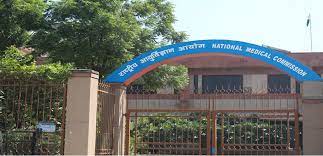
Hyderabad: The National Medical Commission (NMC) has come under intense scrutiny from medical professionals and policy experts over recent changes to its Teacher Eligibility Qualifications (TEQ) 2025 Gazette. The reforms—particularly the allowance of non-MBBS graduates to serve as faculty in foundational subjects at medical colleges—have ignited fears about declining standards and widening disparities in healthcare delivery.
Criticism Mounts Over Dilution of Faculty Standards
Dr. Anoop Singh Gurjar, professor and head of anatomy and general secretary of the All India Pre and Para Clinical Medical Association (AIPCMA), voiced serious concerns about the compromised faculty landscape. He pointed out that the new rules have created a split system:
-
MBBS graduates: Trained under rigorous, standardized frameworks—including clinical internships, ethical training, and exposure to a wide range of medical disciplines.
-
Non-MBBS graduates: Largely untested, lacking clinical experience, and not registered or held accountable under NMC regulations.
Dr. Gurjar argued this disparity will lead to substandard teaching, especially in underserved regions of the country. He warned that allowing educators without clinical training to instruct future doctors poses both educational and ethical risks, potentially deepening health inequalities.
Questions Over Policy Consistency
An RTI filed by Dr. Gurjar in 2017 revealed that the erstwhile Medical Council of India (MCI) did not recognize MSc and PhD holders for medical faculty roles, asserting those courses were beyond the council’s purview. He questioned how and why such qualifications suddenly became acceptable for faculty positions under the NMC, despite previous exclusions.
Reforms Seen as Incomplete and Rushed
Public health policy expert Dr. Vikash R. Keshri echoed worries regarding the NMC’s direction. He acknowledged that while the commission was meant to bring robust reform, its focus has shifted primarily to increasing undergraduate and postgraduate seats—sometimes at the expense of educational quality. Dr. Keshri highlighted several drawbacks:
-
Eased norms for opening new medical colleges.
-
Relaxation of faculty-student ratios.
-
Hasty revisions of faculty eligibility rules, which may encourage underqualified hires simply to fill vacancies.
Dr. Keshri also pointed out that experienced physicians with strong academic and research credentials—including those trained abroad or serving in premier private institutions—are often sidelined due to the new norms.
Positive Steps Noted, But Impact Remains Unclear
There have been constructive moves as well, such as the rollout of biometric and facial recognition systems to monitor faculty attendance. However, it remains to be seen whether these measures will deliver substantial improvements in accountability or address deeper systemic issues.
Disclaimer
This news article is based on reporting and professional opinions cited in the referenced material. The perspectives expressed by quoted individuals are their own and do not represent an official stance. Readers should consider multiple sources and viewpoints for a comprehensive understanding of the issue.