 0
0
 0
0
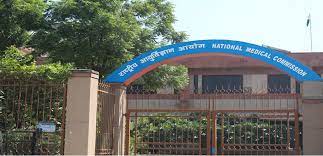
New Delhi, April 26, 2025: The National Medical Commission’s (NMC) recent directive mandating the use of a face-based Aadhaar authentication system for attendance marking in medical colleges has sparked intense criticism from medical faculty associations across India. The new rule, set to be implemented from May 1, 2025, aims to replace the existing Aadhaar Enabled Biometric Attendance System (AEBAS) with a facial recognition system integrated with GPS-based geofencing.
What the NMC Directive Entails
The NMC’s initiative requires all government and private medical colleges to adopt facial recognition technology to mark attendance of faculty and staff via the NMC AEBAS platform. Additionally, medical colleges must submit GPS coordinates of designated attendance zones within their campus, covering a 100-meter radius, to enable location-based attendance verification through mobile devices. This move is intended to enhance accuracy and prevent attendance malpractice, which has been a persistent issue in medical education institutions.
Strong Opposition from Medical Faculty Associations
Despite the NMC’s stated goals of transparency and accountability, the directive has been met with severe backlash from various medical faculty groups. The Medical Teachers Association of Bundelkhand Medical College, Sagar (Madhya Pradesh), described the new system as a “digital leash” and an act of “moral policing.” In a letter to the NMC dated April 19, they condemned the mandatory real-time location tracking as an “unacceptable invasion of privacy” and argued that faculty members are professionals, not subjects of suspicion.
Prof. Dr. Sarvesh Jain, President of the association, emphasized the constitutional right to privacy, stating, “If everyone is right, then Pegasus should be installed on all our devices. This is not about right or wrong, it’s about privacy, which is a Constitutional right.” He further criticized the NMC for acting like a government surveillance agency rather than an independent regulatory body.
Similarly, the Telangana Government Doctors Association (TGDA) raised concerns about privacy, technical glitches, and the system’s incompatibility with the unpredictable nature of medical duties such as night shifts and emergency services. The TGDA urged the NMC to reconsider the mandatory rollout and called for stakeholder consultations before implementing sweeping changes.
Support from Some Medical Faculty Members
On the other hand, a section of the medical faculty supports the NMC’s reform. The MSc Medicine Association (TMMA) highlighted incidents of attendance manipulation, such as the recent case in Andhra Pradesh where 232 health staff were caught tampering with the facial recognition system by altering device settings. TMMA President Dr. Shashank Kambali argued that stringent reforms are necessary to curb such malpractice.
Dr. Kambali acknowledged the concerns about privacy but stressed the need for transparency and dialogue from authorities. “If the government introduces such systems, they must provide transparency, explain how it works, address fears, and take feedback. It should not just be enforced top-down,” he said.
Challenges Ahead
The facial recognition attendance system faces operational challenges including poor internet connectivity, server downtimes, and recognition errors, which have already caused unjust penalties and added stress to medical professionals. Critics argue that existing administrative mechanisms are sufficient to monitor attendance and performance, and that the new system adds an invasive and redundant layer of surveillance.
Conclusion
The NMC’s facial recognition attendance rule has ignited a debate balancing technological reform and privacy rights within India’s medical education sector. While the aim to curb attendance fraud is widely acknowledged, the concerns about privacy, autonomy, and technical feasibility highlight the need for a more consultative and transparent approach before full implementation.
Disclaimer:
This article is based on information available as of April 26, 2025, from the Medical Dialogues report titled “Reform or Surveillance? NMC’s Facial-recognition Attendance Rule faces severe backlash from medical faculties.” The views expressed reflect the opinions of various stakeholders and do not represent any official stance. Readers are advised to refer to official NMC communications and updates for the latest information.
Citations: