 0
0
 0
0
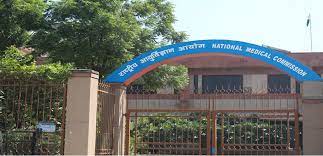
The National Medical Commission (NMC) has immediately withdrawn permission for the Shri Mata Vaishno Devi Institute of Medical Excellence in Reasi, Jammu and Kashmir, to admit 50 MBBS students for the 2025-26 academic year, citing severe non-compliance with minimum standards. This decision, announced on January 6, 2026, follows a surprise inspection on January 2 that uncovered critical deficiencies in faculty, infrastructure, and clinical services. The move safeguards student futures by mandating their transfer as supernumerary seats to other approved medical colleges in the Union Territory, amid ongoing protests over the college’s controversial admissions.
Key Deficiencies Identified
The NMC’s Medical Assessment and Rating Board (MARB) conducted the unannounced inspection under Section 28(7) of the National Medical Commission Act, 2019, prompted by complaints about inadequate facilities. The report revealed a 39% shortage in teaching faculty and 65% deficiency in tutors, demonstrators, and senior residents for the planned 50-seat intake. Clinical metrics fell short, including OPD attendance of just 182 patients (versus required 400), 45% bed occupancy (versus 80%), and only 25 monthly deliveries—deemed “grossly deficient.”
Infrastructure gaps compounded the issues: no student practical labs in some departments, substandard lecture theatres, a library with only 744 books (versus 1,500 needed) and two journals (versus 15), missing ART center and MDR-TB facilities, absent separate male/female wards, and just two functional operation theatres (versus five required). These violations breach the Undergraduate Medical Education Standards Regulations (UGMSR) 2023, specifically Chapter V, Regulation 29, leading to invocation of the college’s performance bank guarantee.
Permission was initially granted on September 8, 2025, after applications under NMC notices from December 2024, but conditional on compliance and subject to withdrawal for failures.
Admission Controversy and Timeline
Protests erupted in November 2025 after the admission list revealed 42 Muslim students among the 50 selected, sparking outrage from right-wing groups like Rashtriya Bajrang Dal and the Sangarsh Samiti, who demanded revocation citing misuse of shrine board funds meant for Hindu causes. Demonstrators burned effigies of Lt Governor Manoj Sinha and rallied outside government offices in Jammu and Srinagar, alleging regional underrepresentation despite merit-based NEET selection. Authorities and student bodies defended the process as religion-neutral, warning that cancellations would violate constitutional norms.
The NMC’s withdrawal occurred hours after intensified protests on January 6, though the regulator emphasized infrastructure as the sole basis, not admissions. All 50 students will transfer without losing seats, handled by Jammu and Kashmir’s counseling authorities.
NMC Standards and Broader Context
UGMSR 2023 mandates strict benchmarks for new colleges, including faculty ratios scaled to intake—for 50 MBBS seats, roughly 59 faculty under prior norms, now refined but still unmet here—and 80% bed occupancy with robust clinical loads. Jammu and Kashmir has limited approved MBBS seats; recent NMC approvals added just one new college in two years, with supernumerary increases like 50 seats each to GMC Baramulla, Kathua, and Doda in 2025. Nationally, NMC approved 118 colleges since 2024, prioritizing compliance to address India’s doctor shortage of about 2 million.
The shrine board, funding the institute via pilgrim donations, faced accusations of deviating from its religious mandate for secular projects like hospitals. This case underscores NMC’s zero-tolerance for substandard expansions amid rising demand—India added over 34,000 MBBS seats in five years.
Expert Perspectives
Dr. Abhijat Chandrakant Sheth, NMC Chairperson, affirmed the action followed “due procedures” post-complaints on resources and faculty, stressing surprise inspections protect training quality. “Virtual hearings granted initial LoP, but physical verification is non-negotiable,” he noted.
J-K BJP president Satish Sharma welcomed the decision while securing student seats, crediting Union Health Minister J.P. Nadda and Lt Governor Sinha, but linked it to public pressure. National Conference’s Vivek Sharma called it a “grave setback” for Jammu’s economy and jobs, blaming “divisive politics” that hurt all students. PDP’s Aditya Gupta faulted BJP-NC “collusion,” highlighting lost local opportunities. Independent experts emphasize merit over protests: “Admissions were NEET-driven; infrastructure alone justifies closure,” per medical education analysts.
Public Health Implications
This revocation highlights risks of rushed medical expansions, potentially compromising future doctors’ training and patient care in underserved Reasi, near the Vaishno Devi shrine attracting 10 million pilgrims yearly. Transferred students maintain access, but delays could strain existing colleges like GMC Jammu (now with added seats). For aspirants, it reinforces NEET’s role in fair allocation amid 24 lakh annual takers for 1.2 lakh seats. Long-term, stricter NMC oversight may slow growth but ensure quality, vital as India aims for 1:1000 doctor-population ratio by 2030. Protests raise community tensions, urging policy focus on inclusive health infrastructure over division.
Limitations include timing suspicions, though NMC insists evidence-based; colleges can reapply post-rectification. Broader protests risk politicizing education, but safeguard student careers.
Medical Disclaimer: This article is for informational purposes only and should not be considered medical advice. Always consult with qualified healthcare professionals before making any health-related decisions or changes to your treatment plan. The information presented here is based on current research and expert opinions, which may evolve as new evidence emerges.
References
-
Medical Dialogues. (2026, January 6). NMC withdraws MBBS permission to Vaishno Devi Medical college. https://medicaldialogues.in/health-news/nmc/nmc-withdraws-mbbs-permission-to-vaishno-devi-medical-college-162168