 0
0
 0
0
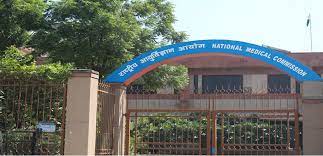
The National Medical Commission (NMC) is currently reviewing allegations involving 30 doctors who accepted extravagant foreign trips sponsored by pharma company AbbVie worth Rs 1.91 crore during early 2024. This development highlights ongoing concerns over pharmaceutical freebies in India and the urgent need for stricter enforcement of ethical guidelines in healthcare.
Key Findings and Developments:
The controversy centers on AbbVie funding luxury trips for doctors to international conferences in Monaco and Paris, ostensibly for medical education on aesthetic and anti-aging products like Botox and Juvederm. A special audit by India’s Department of Pharmaceuticals (DoP) confirmed these trips violated the Uniform Code for Pharmaceutical Marketing Practices (UCPMP) for 2014 and 2024, which prohibit such inducements to healthcare professionals.
Despite formal reprimands issued to AbbVie by the Apex Committee for Pharma Marketing Practices, the NMC has yet to take disciplinary action against the implicated doctors as of October 2025, according to recent RTI responses. The Ethics and Medical Registration Board of NMC is reportedly still considering the case.
Expert Commentary and Context:
Dr. Abhijat Sheth, the NMC chairperson, acknowledged the delay in action but affirmed the commitment to uphold ethical standards. Experts emphasize that freebies or incentives distort clinical decision-making by influencing doctors’ prescriptions, undermining patient trust and inflating healthcare costs.
Dr. Anita Kumar, an independent bioethicist not involved in the investigation, stated, “These practices create conflicts of interest that jeopardize patient care. Prescriptions should be guided by evidence and patient welfare, not by material benefits from pharma companies.”
Pharmaceutical freebies have long been a contentious issue in India’s medical community. The Supreme Court upheld in 2022 that pharma companies cannot claim tax deductions for such expenditures, underscoring the illegality and ethical breach inherent in gifting doctors expensive perks or travel.
Regulatory Background and Reforms:
India’s UCPMP guidelines, first introduced in 2014 and strengthened in 2024, seek to regulate pharmaceutical marketing rigorously to curb unethical promotion practices including free gifts, hospitality, and sponsored travel. Recent amendments propose caps on gift values and restrict foreign continuing medical education workshops.
The Department of Pharmaceuticals and Ministry of Health are pushing for enforceable legal frameworks aligning with global best practices to restore integrity within the healthcare sector. Independent oversight and transparency measures remain key to dismantling entrenched pharma-doctor quid pro quo arrangements.
Public Health Implications:
Such unethical marketing practices not only distort medical prescriptions but indirectly increase healthcare costs for patients by promoting higher-priced treatments unnecessarily. Patient confidence in medical practitioners can be eroded, lowering adherence to prescribed treatment regimens and impacting health outcomes.
Awareness among consumers about these systemic issues is vital, alongside professional self-regulation and stricter enforcement by bodies like the NMC to uphold medical professionalism and prioritize patient welfare.
Limitations and Counterarguments:
While criticisms focus on the undue influence of pharma freebies, some industry voices argue that sponsorship for educational events supports medical advancement and continuous education. However, unchecked generosity risks blurring lines between education and marketing, calling for clear, enforceable boundaries.
Summary:
The Rs 1.91 crore pharma freebies case spotlights ongoing ethical challenges in India’s healthcare marketing landscape. As the NMC continues its review, this case underscores the pressing need for stronger regulatory enforcement, transparency, and ethical adherence to protect public health interests and restore trust in medical professionals.
Medical Disclaimer:
This article is for informational purposes only and should not be considered medical advice. Always consult with qualified healthcare professionals before making any health-related decisions or changes to your treatment plan. The information presented here is based on current research and expert opinions, which may evolve as new evidence emerges.
References:
-
“Rs 1.91 crore Pharma Freebies case under review: NMC,” Medical Dialogues, October 3, 2025, https://medicaldialogues.in/health-news/nmc/rs-191-crore-pharma-freebies-case-under-review-nmc-156348