 0
0
 0
0
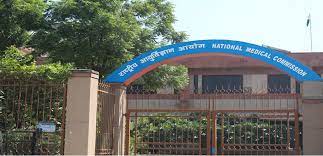
New Delhi – In a statement that stands in stark contrast to growing concerns within the medical fraternity, the National Medical Commission (NMC) has reportedly received no formal complaints regarding unqualified or unregistered individuals performing aesthetic procedures. Union Minister of State for Health, Anupriya Patel, conveyed this information to the Rajya Sabha earlier this week, sparking a renewed debate on the regulation of India’s booming cosmetology sector.
Official Stance: No Complaints, Clear Guidelines
Responding to a query by Parliament member Shri Vivek K Tankha, Minister Patel stated that the apex medical regulator has not logged any grievances concerning quackery in aesthetic dermatology or laser treatments.
“As informed by NMC, no such complaint has been received so far,” Patel confirmed. She further elaborated that the government has already established clear protocols to ensure patient safety.
The Minister referenced the guidelines issued by the NMC on September 20, 2022, which strictly define who is qualified to perform specific aesthetic procedures. According to these directives:
-
Hair Transplants: Should only be performed by medical professionals with formal surgical grooming, specifically those holding MCh/DNB in Plastic Surgery or MD/DNB in Dermatology.
-
Aesthetic Procedures: Must be undertaken by Registered Medical Practitioners (RMPs) who have adequate training in these procedures as part of their core curriculum.
The Minister emphasized that the Ethics and Medical Registration Board (EMRB) of the NMC is empowered to handle professional misconduct under Clause 8.2 of the Indian Medical Council Regulations, 2002.
The Reality Gap: “Zero Complaints” vs. On-Ground Crises
While the official record shows a clean slate, the situation on the ground appears significantly more volatile. The Minister’s statement comes at a time when local health authorities and state medical councils are actively cracking down on illegal clinics.
Just days prior to the parliamentary session, reports surfaced from Telangana where the State Medical Council (TGMC) flagged multiple clinics for operating without qualified dermatologists. Inspections revealed that procedures such as chemical peels, laser hair removal, and hair transplants were being performed by technicians or unqualified staff, and in some cases, dentists—who, according to the NMC’s own 2022 clarification, are not qualified to perform skin and hair surgeries.
Furthermore, a tragic incident reported in Barabanki, Uttar Pradesh, highlights the lethal potential of unregulated practice. A 38-year-old woman reportedly lost her life after a “stone removal surgery” was performed by unqualified practitioners who allegedly learned the procedure via YouTube videos. While this specific case was surgical, it underscores the broader danger of the “medico-commercial” gray zone where aesthetic procedures often fall.
Expert Perspectives: The “Silent Epidemic”
Medical professionals argue that the lack of formal complaints does not equate to a lack of malpractice. Instead, it may indicate a lack of public awareness regarding where and how to file complaints, or the blurring of lines between “beauty services” and “medical treatments.”
Dr. G. Srinivas, Vice-Chairman of the Telangana Medical Council, has publicly noted that inspections frequently uncover blatant violations. “Medical procedures such as hair transplantation, PRP [Platelet-Rich Plasma] therapy, and lasers should only be conducted by professionals with MBBS and specific post-graduate qualifications in Dermatology or Plastic Surgery,” he stated in a recent report regarding clinic raids. “However, inspections reveal these are often carried out by unqualified individuals.”
A recent review published in the Indian Journal of Dermatology, Venereology and Leprology describes the situation as a “modern epidemic of dermatology quackery.” The authors note that the proliferation of terms like “aesthetician,” “cosmetologist,” and “skin expert” often misleads patients into believing they are seeing a medical doctor.
Implications for Public Health
The disconnect between the NMC’s records and industry reports poses significant risks for the public:
-
Patient Safety: Aesthetic procedures, often dismissed as “lunchtime facials,” carry medical risks including burns, scarring, infection, and anaphylactic shock.
-
Regulatory Blind Spots: If victims of botched procedures sue in consumer court or settle privately rather than filing formal complaints with the NMC, the regulator remains unaware of the scale of the problem.
-
Misleading Marketing: The rise of social media influencers promoting complex medical procedures further obscures the need for verified medical credentials.
Navigating the Gray Area
For health-conscious consumers, this development serves as a critical reminder to verify credentials. A diploma on a wall or a white coat does not guarantee a medical degree. Patients are advised to specifically check if their provider is an RMP with a specialization in Dermatology or Plastic Surgery before undergoing any invasive procedure.
As the aesthetic industry in India continues its rapid expansion, the gap between official data and anecdotal reality suggests a need for more proactive surveillance rather than a reliance solely on incoming complaints.
Medical Disclaimer: This article is for informational purposes only and should not be considered medical advice. Always consult with qualified healthcare professionals before making any health-related decisions or changes to your treatment plan. The information presented here is based on current research and expert opinions, which may evolve as new evidence emerges.
References:
-
Parliamentary Question & Answer: “NMC received no complaints on unqualified persons performing aesthetic procedures,” Statement by MoS Health Anupriya Patel, Rajya Sabha, Dec 2025. (Source: Medical Dialogues)