 0
0
 0
0
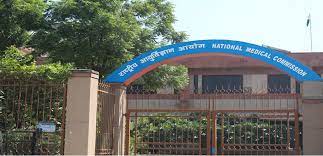
A National Medical Commission (NMC) inquiry committee has found that Delhi government–run Lok Nayak Hospital (LNJP) admitted superspeciality students into its MCh (neurosurgery) and DM (neuro-anaesthesia) programmes even after regulatory approval for these courses was withdrawn, and has recommended migration of affected students along with strict action against responsible officials, according to recent reports from New Delhi.
What the NMC Panel Found
The NMC committee concluded that students were admitted to the MCh neurosurgery programme after the mandatory Letter of Permission (LoP) for the course had been withdrawn. The LoP, initially issued in 2022 on a conditional basis, should have been automatically suspended once Maulana Azad Medical College (MAMC) informed NMC in March and December 2022 that statutory requirements at LNJP could not be met.
NMC formally withdrew permission for the MCh neurosurgery course on 14 March 2024, and a subsequent challenge to this decision was reportedly rejected, yet admissions continued. Reports indicate that admissions were also made to the DM neuro-anaesthesia programme despite the absence of an approved department and recognised faculty at the institute.
The panel noted that course seats continued to appear on the Medical Counselling Committee (MCC) portal under an unusual institutional code, “HOD Neurosurgery–LNH associated with MAMC,” even after the LoP had been withdrawn. Allegations include that counselling portal credentials were handed to the then head of neurosurgery, who uploaded seat vacancies without approval from the medical director, raising concerns about unilateral decision‑making and possible misrepresentation.
Impact on Affected Students
The inquiry was triggered when enrolled students sought migration, fearing their admissions might be invalid due to the withdrawn approval. Investigators found, for example, that two students had been admitted to a batch of MCh neurosurgery despite the course no longer having valid NMC permission, and that two more were enrolled in a DM neuro-anaesthesia department that effectively did not exist in regulatory records.
To protect students from consequences of administrative failures beyond their control, the panel recommended several protective measures. For the 2022–2025 MCh neurosurgery batch, students will be allowed to sit for examinations and have their degrees recognised, according to comments from the president of NMC’s Medical Assessment and Rating Board. For the 2023–2026 MCh neurosurgery batch, the committee advised immediate academic migration to Govind Ballabh Pant Institute of Postgraduate Medical Education and Research.
Admissions for the 2024–2027 MCh neurosurgery batch were reportedly declared “null and void ab initio,” but, on humanitarian grounds, these students are to be migrated to vacant seats at recognised centres such as Atal Bihari Vajpayee Institute of Medical Sciences. Similarly, students in the 2024–2027 DM neuro-anaesthesia batch are to be shifted to institutions with valid departments and approved faculty, given that LNJP did not meet these baseline requirements.
Governance, Accountability, and Systemic Concerns
Beyond individual admissions, the episode has exposed deeper governance issues in how superspeciality programmes are approved and managed. The LoP was reportedly issued in the name of MAMC’s dean, even though the neurosurgery department and teaching facilities functioned under LNJP Hospital, creating a grey zone of responsibility between academic and administrative heads.
Officials cited in news reports said the crisis was not due to a complete system breakdown but stemmed from unilateral actions by the then head of the neurosurgery department, with portal access and decision‑making allegedly concentrated in one office. At the same time, the ambiguity in institutional roles made it difficult for oversight bodies to track compliance, highlighting structural weaknesses in India’s medical education governance.
The NMC panel has recommended “major penalty” proceedings and the appointment of an independent inquiry authority, with its report to be forwarded to the Delhi government for further action. These steps sit against a broader national backdrop in which regulators have already raised alarms about inspection irregularities, “ghost faculty,” and violations of admission norms in some medical colleges, prompting repeated public notices and enforcement actions by NMC.
Expert Views: Why Regulatory Compliance Matters
Medical education experts say the LNJP case underscores why strict adherence to regulatory approvals is essential for both patient safety and trainee competency. A senior neurosurgeon at a central government institution, who was not involved in the inquiry, explained that superspeciality programmes like MCh neurosurgery and DM neuro-anaesthesia demand high‑volume surgical exposure, intensive critical‑care experience, and robust faculty supervision to ensure safe and independent practice after graduation.
“When a programme runs without valid approval, it signals that minimum standards—such as adequate faculty numbers, case load, infrastructure, and academic oversight—may not be in place,” said a Delhi-based academic neurosurgeon from an NMC-recognised institute, speaking on condition of anonymity because they were not authorised to comment on the case. “That not only jeopardises the careers of trainees but can indirectly affect patient care in the long run if training quality is compromised.”
A health policy researcher at a national public health institute added that repeated episodes of irregular admissions, even if later corrected, can damage public trust in the medical education system. They emphasised that transparent corrective actions, fair treatment of students, and clear lines of accountability are critical to restoring confidence among aspiring doctors and the communities they serve.
What This Means for Students, Patients, and the Public
For current and prospective medical students, the LNJP episode is a reminder to verify that any programme they join is recognised by NMC and has an active, valid LoP or equivalent approval. NMC publishes public notices on illegal admissions and cut‑off dates for counselling, warning that any enrolment beyond prescribed dates or without proper permission may not be recognised. Checking the NMC website, counselling portals, and institutional notifications before finalising admissions can reduce the risk of landing in a non‑approved course.
For patients, the case highlights the importance of robust training pathways for specialists. Superspecialists in neurosurgery and neuro-anaesthesia often manage complex, high‑risk cases where a clinician’s depth of training can influence outcomes. Ensuring that programmes meet NMC standards helps maintain a baseline of competence, which supports safer surgical care and intensive care practices.
For the general public and policymakers, the findings underline the need for stronger digital and administrative controls in admission processes. Experts have suggested measures such as: limiting portal credentials to designated authorities with strict audit trails; automatic de‑listing of seats on counselling portals once NMC withdraws approval; and regular cross‑checks between institutional claims and regulator databases. Such safeguards could reduce opportunities for unilateral actions and prevent students from being caught in regulatory disputes.
Limitations, Legal Proceedings, and Open Questions
There are important limitations and unresolved questions around the LNJP case that readers should keep in mind. First, parts of the matter are under judicial consideration, and at least one key individual named in reports has declined to comment, citing pending proceedings before the Delhi High Court. As with any ongoing legal process, new facts or court directions could change how events are interpreted.
Second, publicly available information comes mainly from regulatory communications and media reports summarising the NMC inquiry, rather than a full, publicly released detailed order with all supporting evidence. This means nuanced internal discussions, dissenting views, or institutional responses may not yet be fully visible. Third, while the panel reportedly found no broad “systemic lapse” beyond unilateral actions in the department, some experts argue that repeated national‑level concerns around inspections and approvals point to deeper structural vulnerabilities across the medical education system.
Finally, while student migration has been recommended and, in some cases, promised as a way to safeguard academic futures, the practical implementation—seat availability, relocation logistics, and the psychological impact on trainees—remains to be seen. Observers say transparent timelines, written assurances, and clear communication with affected students will be essential to avoid further distress and uncertainty.
Medical Disclaimer: This article is for informational purposes only and should not be considered medical advice. Always consult with qualified healthcare professionals before making any health-related decisions or changes to your treatment plan. The information presented here is based on current research and expert opinions, which may evolve as new evidence emerges.
References
-
Barsha Misra. “NMC panel flags illegal superspeciality admissions at LNJP, recommends student migration, disciplinary action against officials: Report.” Medical Dialogues, 22 January 2026.[medicaldialogues]