 0
0
 0
0
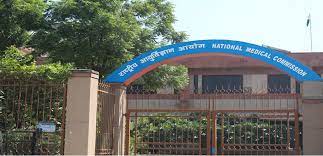
New Delhi’s premier Lok Nayak Hospital is at the centre of a major medical education scandal after India’s National Medical Commission (NMC) ordered disciplinary and criminal proceedings against the former head of neurosurgery over alleged illegal admissions to high‑stakes super‑speciality courses. In a 28 January order, NMC’s Medical Assessment and Rating Board said an inquiry had found that students were admitted to the MCh (Neurosurgery) and DM (Neuro‑Anaesthesia) programmes despite withdrawal of regulatory permission, prompting directions to the Delhi government for swift action, student protection measures, and a criminal probe under the Bharatiya Nyaya Sanhita.
What The NMC Inquiry Found
The NMC‑constituted final inquiry committee concluded that Lok Nayak Hospital, run by the Delhi government and academically linked to Maulana Azad Medical College (MAMC), admitted candidates into its MCh neurosurgery programme after the mandatory Letter of Permission (LoP) had been withdrawn. Officials said the committee also examined irregular admissions to the DM Neuro‑Anaesthesia programme and documented wider non‑compliance with statutory norms governing super‑speciality training.
According to reports, the LoP for MCh Neurosurgery was issued in 2022 as a conditional approval and should have been automatically suspended once MAMC informed NMC in March and December 2022 that statutory requirements at Lok Nayak could not be met. NMC subsequently withdrew permission in March 2024, yet admissions reportedly continued, placing students into a course that no longer had valid regulatory backing. The committee held that this constituted serious deviations from mandated standards for faculty, infrastructure, and programme approvals.
Individual Accountability Versus Systemic Failure
While NMC flagged broader governance lapses, the inquiry committee concluded that the immediate crisis in the neurosurgery department was not primarily a system‑wide failure but stemmed from unilateral actions attributed to the then head of neurosurgery. The commission’s order holds the former head of department (HoD) responsible for alleged irregularities and “grave misconduct” on the grounds that the admissions and related decisions occurred under his charge.
NMC has directed the Delhi government to initiate penalty proceedings against the former HoD, with potential outcomes including transfer to a non‑sensitive post or suspension if the allegations are established through an independent inquiry. To promote fairness, the order calls for appointment of an inquiry authority and a presenting officer preferably drawn from outside Delhi government–run medical institutions.
The accused senior neurosurgeon has strongly denied wrongdoing, characterising NMC’s decision as arbitrary and alleging violation of principles of natural justice and disruption of medical education. He has also indicated that related matters are sub judice before the Delhi High Court, limiting his public comment. These objections highlight a likely legal battle over both facts and process in the months ahead.
Criminal Probe Under Bharatiya Nyaya Sanhita
Beyond departmental penalties, the commission has recommended that the case be referred for criminal investigation under the Bharatiya Nyaya Sanhita (BNS), India’s overhauled criminal code. NMC has explicitly cited alleged offences including cheating and inducement of students, forgery and misrepresentation, criminal conspiracy, and abuse of official position.
Under BNS, cheating involves deceiving a person and dishonestly inducing them to act in a way that causes wrongful loss or gain, which can include concealment of crucial facts. Legal experts note that if students were not fully informed about the regulatory status of their programmes at the time of admission, investigators will likely examine whether there was any deliberate misrepresentation or concealment. Convictions under cheating provisions can attract imprisonment of up to seven years along with fines, although specific charges and penalties will depend on the final police case and court findings.
Protecting Students Caught In The Middle
Recognising that trainees were not at fault, NMC has framed its remedial orders around safeguarding their academic futures while still enforcing accountability. Dr M.K. Ramesh, president of the NMC Medical Assessment and Rating Board, said the commission’s top priority was to protect students whose careers had been jeopardised by decisions beyond their control.
Key student‑centred measures include:
-
Allowing the exam‑going MCh Neurosurgery batch of 2022–25 to sit for their examinations and ensuring that their degrees are recognised.
-
Recommending immediate academic migration of the 2023–26 MCh Neurosurgery cohort to the Govind Ballabh Pant Institute of Postgraduate Medical Education and Research (GIPMER).
-
Declaring admissions to the 2024–27 MCh Neurosurgery batch “null and void ab initio” but arranging migration to vacant, recognised seats at institutions such as Atal Bihari Vajpayee Institute of Medical Sciences.
-
Ordering similar migration for DM Neuro‑Anaesthesia students (2024–27) due to the absence of a valid department and approved faculty at the original institute.
For affected students, migration can mean shifting to new campuses, departments, and supervising faculty midway through demanding super‑speciality training. Education experts say such transitions can be academically and emotionally challenging but are often the only way to ensure that degrees are legally valid and recognised by employers, regulators, and overseas boards.
Deeper Governance Gaps In Medical Education
The NMC order does not stop at individual culpability; it also underscores systemic weaknesses that allowed the situation to escalate. The commission has pointed to failures in honouring undertakings related to faculty strength and infrastructure, weak administrative oversight, and a structural mismatch between academic control (with MAMC) and administrative control (with Lok Nayak Hospital).
One specific concern is the creation of an “irregular” Medical Counselling Committee (MCC) institute code that, according to NMC, was generated in violation of regulations and used for admissions. The Delhi Health Department has been asked to work with central authorities to remove this code and prevent similar lapses in the future.
Health policy analysts argue that the episode exposes the fragility of checks and balances in India’s rapidly expanding medical education sector, especially in super‑specialities where training positions are scarce and highly sought after. When approval letters, infrastructure commitments, and counselling systems are not perfectly aligned, they warn, the cost is borne by trainees, patients, and public trust in regulatory institutions.
What This Means For Patients And The Public
While the Lok Nayak case centres on neurosurgery and neuro‑anaesthesia training, the implications go far beyond a single hospital. Super‑speciality residents are integral to complex care delivery in public hospitals, often managing critically ill patients under supervision while also staffing emergency services, operation theatres, and out‑patient clinics. If their training pathways become legally contested, it can raise questions about staffing stability and continuity of specialised services.
At the same time, regulators stress that enforcing norms is essential to maintaining high standards in advanced surgical disciplines, where lapses in training or supervision can have life‑threatening consequences. Experts in medical ethics say that transparent handling of such cases—clearly communicating what went wrong, how students will be protected, and what reforms will follow—is key to preserving public confidence.
For health‑conscious readers and potential future patients, the case is a reminder that the quality of specialist care depends not only on individual doctors but also on robust regulatory frameworks that govern where and how they are trained. When those frameworks function well, they protect both trainees and the public; when they fail, the impact can surface years later in the form of disputed qualifications or compromised service capacity.
Practical Takeaways For Students And Institutions
For aspiring and current postgraduate or super‑speciality students, experts recommend a few practical safeguards in light of this case:
-
Before joining a course, verify that the programme and institute appear on the latest NMC recognition or permission lists and on official counselling portals.
-
Keep written records of offer letters, counselling documents, and any communication about accreditation status.
-
If rumours or notices emerge about regulatory changes, seek clarification directly from both the institution and NMC, and consult professional associations or legal counsel when needed.
For institutions, the Lok Nayak episode underscores the need for tighter internal compliance mechanisms, including regular audits of regulatory approvals, transparent communication with affiliating universities, and strict adherence to conditions attached to LoPs. Health‑system experts say that cross‑institutional oversight—where teaching hospitals and affiliated colleges jointly track and report compliance—can reduce the risk of unilateral decisions that place students at risk.
Limitations, Legal Proceedings, And The Road Ahead
Important parts of the story remain unresolved. The allegations against the former HoD are still subject to an independent inquiry and potential criminal investigation, and the final legal position will only be clear after due process. The doctor has disputed NMC’s conclusions and claimed lack of adequate opportunity to defend himself, raising procedural questions that may be tested in court.
The long‑term impact on affected students will depend on how smoothly migrations are executed, how host institutions absorb additional trainees, and whether there are any delays in examinations or recognitions. More broadly, observers say the case should catalyse reforms in regulatory coordination, digital tracking of approvals, and grievance mechanisms for trainees who suspect that norms are being bypassed.
For now, NMC’s strong language and its decision to recommend BNS charges send a clear signal that irregularities in medical admissions—particularly in super‑speciality programmes—will be treated not merely as administrative oversights but as potential criminal misconduct when they appear to involve deception or abuse of authority.
Medical Disclaimer: This article is for informational purposes only and should not be considered medical advice. Always consult with qualified healthcare professionals before making any health-related decisions or changes to your treatment plan. The information presented here is based on current research and expert opinions, which may evolve as new evidence emerges.
References
- https://medicaldialogues.in/health-news/nmc/nmc-orders-disciplinary-criminal-action-against-former-lnjp-neurosurgery-hod-over-illegal-admissions-163675