 0
0
 0
0
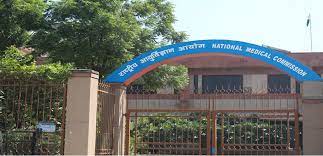
The National Medical Commission (NMC) of India has recently clarified key provisions of the Medical Institutions (Qualifications of Faculty) Regulations, 2025, aiming to expand medical education capacity and strengthen faculty availability across the country. The regulations, applicable from June 30, 2025, are pivotal in addressing India’s growing demand for healthcare professionals by widening eligibility criteria for medical faculty appointments and facilitating the expansion of undergraduate and postgraduate medical seats.
These regulations represent a transformative step toward optimizing the existing healthcare workforce and infrastructure, especially in government hospitals and teaching institutions, thereby supporting the national goal of adding 75,000 new medical seats within the next five years.
Key Provisions and Clarifications
The NMC, through its Postgraduate Medical Education Board (PGMEB), released detailed FAQs in October 2025 to address stakeholders’ concerns. The highlights include:
-
Applicability: The regulations came into force on June 30, 2025.
-
Experience Recognition: Work experience during the transition period must be from full-time roles in exclusive departments dedicated to new specialties, within NMC-recognized medical colleges or notable institutions such as AIIMS, PGIMER Chandigarh, NIMHANS Bangalore, JIPMER Puducherry, and Sree Chitra Tirunal Institute, among others. Experience in medical institutes accredited by the National Board of Examinations (NBEMS) is also recognized.
-
Faculty Eligibility Expansion: The reforms allow specialists with a minimum of 10 years’ cumulative experience in government hospitals with over 220 beds to be appointed as Associate Professors, even without senior residency, provided they complete a mandated Basic Course in Biomedical Research (BCBR) within two years.
-
Diploma Holders and Senior Consultants: Diploma holders working as specialists or medical officers with six years of cumulative experience in government institutions conducting NBEMS-recognized teaching programs are eligible for Assistant Professor positions. Senior consultants with at least three years of teaching experience can qualify for professorship.
-
Increased Utilization of Non-Clinical Faculty: M.Sc. and Ph.D. holders can now be appointed in microbiology and pharmacology departments, in addition to anatomy, physiology, and biochemistry, thus broadening the pool of teaching faculty.
-
Internal Cadre Mobility: Faculty with super-specialty qualifications currently posted in broader specialty departments can be formally designated in their super-specialty fields, enhancing human resource flexibility.
-
Age Limits and Experience Counting: The upper age limit for senior residency in preclinical and para-clinical subjects has been raised to 50 years, and teaching experience as tutors or demonstrators is now counted for faculty eligibility.
Expert Perspectives
Dr. Meena Sharma, an experienced medical educator not involved in drafting the regulations, commented, “These reforms address a critical bottleneck by recognizing the vast teaching potential within existing government healthcare staff, which will help scale up medical education, especially in underserved areas.” She cautioned, however, “It is essential to maintain stringent quality standards as we expand faculty eligibility to ensure patient care and education quality are not compromised.”
Meanwhile, Dr. Rajiv Khanna, president of the National M.Sc. Medical Teachers’ Association (NMMTA), welcomed the restored 30% appointment limit for M.Sc./Ph.D. teachers in non-clinical subjects, calling it “a corrective step against previous limitations that worsened faculty shortages.”
Context and Background
India’s healthcare system faces an acute shortage of qualified medical faculty, limiting the expansion of medical education despite the government’s ambitious plan to increase medical seats substantially. Prior to these regulations, rigid faculty eligibility criteria coupled with limited recognition of experienced government hospital specialists hindered growing the faculty pool.
The 2025 regulations mark a departure from traditional, rigid service norms by valuing competency, teaching experience, and academic merit over mere formal service duration. This is expected to unlock untapped human resource potential and support India’s healthcare workforce needs through larger-scale, high-quality medical education.
Public Health Implications
The expanded faculty eligibility and recognition of experience in diverse government health institutions have significant public health implications. Increased medical education capacity will likely improve the availability of trained doctors in the long run, particularly in rural and underserved regions where access to medical professionals remains limited.
Moreover, by incorporating more qualified specialists and diploma holders into teaching roles, medical colleges can harness practical clinical expertise, potentially enriching medical training quality.
Potential Limitations and Counterarguments
Despite the progress, some critics argue that easing faculty eligibility could dilute teaching quality if not paired with robust monitoring and faculty development programs. Concerns include the risk of appointing faculty lacking adequate teaching experience or academic rigor.
In response, the regulations emphasize mandatory completion of the Basic Course in Biomedical Research within two years for new faculty appointees, which aims to uphold educational standards. Continuous faculty development and institutional oversight will be crucial to balance expansion with quality assurance.
Practical Takeaways for Readers
For medical professionals, these regulations open new pathways for career advancement in teaching roles without traditional senior residency requirements, provided they meet specified experience and training criteria.
For the general public, the reforms promise improved medical education capacity, potentially leading to better healthcare availability nationwide in the coming years.
Medical Disclaimer
This article is for informational purposes only and should not be considered medical advice. Always consult with qualified healthcare professionals before making any health-related decisions or changes to your treatment plan. The information presented here is based on current research and expert opinions, which may evolve as new evidence emerges.
References
-
National Medical Commission. Medical Institutions (Qualifications of Faculty) Regulations, 2025. Postgraduate Medical Education Board, NMC. Notification dated June 30, 2025. Available at: