 0
0
 0
0
New directive enforces strict audits of prescription legibility and standardizes the use of generic names, citing patient safety and legal mandates.
December 17, 2025
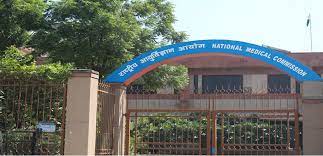
In a decisive move to tackle the chronic issue of illegible medical prescriptions—a practice often dismissed as a cliché but one that poses serious risks to patient safety—the National Medical Commission (NMC) has issued a sweeping directive to all medical colleges and institutions across India. The apex medical regulator has mandated the immediate formation of Prescription Monitoring Committees (PMCs) to audit prescribing practices and ensure every prescription is legible, preferably written in capital letters, and uses generic drug names.
The directive, released earlier this week by the NMC’s Post-Graduate Medical Education Board (PGMEB), comes in response to a stern observation by the Punjab and Haryana High Court, which recently ruled that a legible prescription is a fundamental component of a citizen’s “Right to Health” under Article 21 of the Constitution.
The Mandate: Surveillance and Standardization
Under the new guidelines, every medical college must establish a dedicated sub-committee under its existing Drugs and Therapeutics Committee (DTC). This body is not merely advisory; it is tasked with active surveillance.
According to the circular issued to Principal Secretaries of Health and Medical Directors of all states, the new sub-committees must:
-
Conduct Systematic Audits: Develop a structured plan to appraise prescriptions randomly and regularly.
-
Identify Deviations: specific focus will be placed on legibility, the use of generic names, and “rational” drug use (avoiding unnecessary polypharmacy).
-
Record and Report: Findings must be minuted in DTC meetings and made available to the NMC upon request.
-
Enforce Corrections: The committees are empowered to recommend corrective measures for doctors who consistently fail to meet standards.
The NMC has also directed that the “Importance of Legible and Clear Handwriting in Medical Prescriptions” be formally integrated into the medical curriculum, aiming to instill these habits in students before they graduate.
The “Why”: Beyond Bad Handwriting
While “doctor’s handwriting” is a common subject of humor, in the clinical setting, it is a matter of life and death.
“Illegible prescriptions are a leading cause of medication errors globally,” explains Dr. S.K. Gupta, a senior pharmacologist and patient safety advocate. “A scrawl that looks like ’50mg’ but is actually ‘5mg’, or a drug name that resembles another, can lead to catastrophic adverse events. The pharmacist guesses, the nurse guesses, and the patient suffers.”
Studies back this concern. Research published in the National Medical Journal of India has previously estimated that illegible handwriting contributes to a significant portion of medication errors, with some global estimates suggesting thousands of deaths annually are linked to misread prescriptions. Common errors include:
-
Sound-alike/Look-alike drugs: confusing drugs like Celexa (antidepressant) with Celebrex (painkiller).
-
Decimal point errors: Missing a decimal point can result in a ten-fold overdose.
-
Abbreviation ambiguity: Using non-standard abbreviations that pharmacists misinterpret.
Legal Pressure and Constitutional Rights
The immediate trigger for this regulation was the order dated August 27, 2025, by the Punjab and Haryana High Court in the case of Yogesh vs. State of Haryana. The Court observed that when a patient cannot read their prescription or when a pharmacist misinterprets it, the patient’s health is compromised, violating their constitutional right to life and health.
The Court referenced the Indian Medical Council (Professional Conduct, Etiquette and Ethics) Regulations, 2002, which have long stated that “Every physician should prescribe drugs with generic names legibly and preferably in capital letters.” However, enforcement has historically been weak. By institutionalizing the monitoring process through the DTCs, the NMC aims to move from passive guidelines to active enforcement.
Expert Perspectives: A Step Forward or Administrative Burden?
The medical community has reacted with cautious optimism, though some foresee logistical challenges.
“The intent is unimpeachable,” says Dr. Rajeshwari Singh, a Medical Superintendent at a private teaching hospital in Bangalore. “However, in high-load government hospitals where a resident doctor might see 100 patients in an OPD session, writing everything in capital letters is physically taxing and time-consuming. The real solution isn’t stricter policing of handwriting, but the rapid adoption of Electronic Health Records (EHR) and e-prescribing.”
Dr. Singh adds, “Until we have universal e-prescribing, this committee approach is a necessary bridge. It forces accountability. If a junior resident knows their prescription might be audited by a professor, they will take that extra second to write clearly.”
Critics also point out the tension regarding generic medicines. The NMC has previously faced pushback on its insistence on generic-only prescriptions due to concerns over the quality control of generic drugs in India. This new directive reiterates the generic requirement, potentially reigniting that debate.
What This Means for Patients
For the average patient, this development promises a safer healthcare experience.
-
Clarity: You should be able to read the name of the medicine you are taking.
-
Safety: Reduced risk of receiving the wrong medication from the chemist.
-
Cost: The push for generic names generally lowers out-of-pocket expenses.
The NMC has instructed institutions to operationalize these committees “without delay,” signaling that the era of deciphering scribbles may finally be coming to an end.
Medical Disclaimer:
This article is for informational purposes only and should not be considered medical advice. Always consult with qualified healthcare professionals before making any health-related decisions or changes to your treatment plan. The information presented here is based on current research and expert opinions, which may evolve as new evidence emerges.
References
-
Primary Source: National Medical Commission (NMC). (2025). Circular No. NMC/LEGAL/25436: Establishment of Sub-Committee under the Drugs and Therapeutics Committee (DTC) for Monitoring of Prescription Practices. New Delhi: NMC Post-Graduate Medical Education Board.