 0
0
 0
0
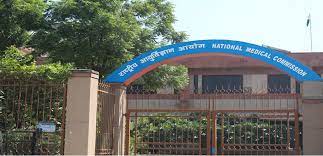
New Delhi, December 31, 2025 – The National Medical Commission (NMC) has ordered all medical colleges and hospitals across India to maintain perpetual stocks of anti-rabies vaccine (ARV) and rabies immunoglobulin (RIG), enforcing Supreme Court directives aimed at curbing a surge in dog-bite incidents plaguing public institutions. This move, detailed in a public notice dated December 29, 2025, responds to the court’s November 7, 2025, order in the suo motu case “City Hounded by Strays, Kids Pay Price,” which highlighted rising attacks in schools, hospitals, and transport hubs.
Supreme Court Directives Spark Nationwide Action
The Supreme Court issued time-bound mandates following reports of escalating stray dog incursions into sensitive areas like hospitals and schools. Institutions must identify vulnerable premises within two weeks and secure them with fencing, walls, or gates within eight weeks. Each facility requires a designated nodal officer for cleanliness, dog prevention, and municipal coordination, with details prominently displayed.
Quarterly inspections ensure no dog habitats form nearby, and any stray found inside must be removed, sterilized, vaccinated, and relocated—not returned. Chief Secretaries of states and Union Territories, along with the Ministry of Health and Family Welfare (MoHFW), face an eight-week deadline to file compliance affidavits confirming ARV/RIG availability and adherence to Animal Birth Control (ABC) Rules, 2023. The NMC notice, referencing a December 2 MoHFW letter, treats this as top priority for public safety.
Rabies Crisis in India: Alarming Statistics
India bears nearly one-third of global rabies deaths, with recent estimates pinpointing 5,700–5,726 annual human fatalities despite preventability. Around 9.1 million animal bites occur yearly, two-thirds from dogs, affecting children under 14, elderly over 60, and males disproportionately. Dog-bite cases have surged: from 1.7 million in 2021 to 3.7 million in 2024 nationally, with hotspots like Karnataka, Maharashtra, Tamil Nadu, Gujarat, and Uttar Pradesh seeing sharp rises—Noida up 31%, Ludhiana doubled since 2021.
A 75% drop in deaths signals progress toward the National Action Plan for Rabies Elimination (NAPRE) goal of zero by 2030, yet gaps persist: only 40–66% complete full ARV courses, and RIG access lags. Stray dogs cause 96% of transmissions, fueling the crisis amid urban population growth.
Expert Insights on the Mandate’s Impact
“This directive is a critical step toward post-exposure prophylaxis readiness, as rabies kills once symptoms appear,” says Dr. Manoj Murhekar, Director of ICMR-National Institute of Epidemiology. “With vaccines in 80% of facilities now, pushing to 100% and ensuring RIG for severe bites (Category III) could save thousands.” He stresses vaccinating dogs alongside human measures, noting NAPRE’s one-health approach.
Dr. Soumya Swaminathan, former WHO Chief Scientist, emphasizes RIG’s role: “For deep bites or head/neck wounds, immunoglobulin neutralizes virus at the site before vaccines build immunity—ideally within seven days.” Pediatrician Dr. Vipin Makhija from the Indian Academy of Pediatrics adds, “Children face highest risk; hospitals stocking ARV/RIG means immediate care, preventing the 100% fatality of untreated rabies.”
Background: Rabies Prophylaxis Explained
Rabies, a zoonotic virus from saliva via bites or scratches, progresses silently along nerves to the brain, causing fatal encephalitis. Post-exposure prophylaxis (PEP) is lifesaving if prompt: wound washing, ARV (four doses over 14 days intramuscularly or intradermally), and RIG (40 IU/kg for severe cases) infiltrating wounds.
India provides free PEP under NAPRE, but stockouts and incomplete regimens hinder outcomes—only 40% finish schedules despite awareness. The court’s focus balances animal welfare (sterilize-release per ABC Rules) with human safety, modifying an August 2025 order for Delhi-NCR to allow vaccinated returns in designated areas.
Public Health Implications and Daily Actions
This mandate bolsters emergency preparedness in hospitals, potentially slashing deaths in high-bite zones. It aligns with NAPRE’s mass dog vaccination (target: 75% coverage by 2025) and free biologicals, fostering inter-sector coordination. For citizens: Wash bites with soap/water immediately (reduces risk 50%), seek PEP within hours—delays prove deadly.
Communities gain from nodal oversight and shelters, curbing institutional attacks. Long-term, it pushes municipal bodies toward CCTV-monitored pounds and adoption drives.
Challenges and Balanced Perspectives
Implementation hurdles loom: securing thousands of sites costs crores, straining budgets amid 24.5 lakh sterilizations (2021–23) but millions of strays. Animal rights groups decry relocation fears, though the court mandates humane practices—no culling, vaccinated release.
Underreporting masks true burden; lab confirmations are rare. Rural access lags urban centers, and misconceptions delay care. Experts urge monitoring compliance affidavits for accountability.
References
-
National Medical Commission Public Notice, “Compliance with Supreme Court Directions,” December 29, 2025. Available at: https://medicaldialogues.in/pdf_upload/nmc-directs-medical-colleges-to-comply-with-supreme-court-orders-on-preventing-stray-dog-entry-amid-rising-dog-bite-cases-318054.pdfncdc.mohfw
-
Medical Dialogues, “All hospitals must maintain anti-rabies vaccine, immunoglobulin stock,” December 29, 2025. https://medicaldialogues.in/health-news/nmc/all-hospitals-must-maintain-anti-rabies-vaccine-immunoglobulin-stock-at-all-times-nmc-orders-institutes-to-follow-sc-directives-161684who