 0
0
 0
0
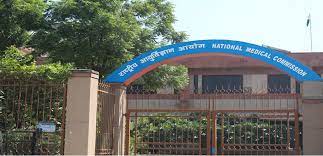
New Delhi, January 9, 2026: The National Medical Commission’s Medical Assessment and Rating Board (MARB) has removed the previous limit of 100 MBBS seats for intake increase applications by medical colleges, enabling larger expansions for the 2026-27 academic year. This change, announced via an addendum on January 6, 2026, comes alongside a new non-refundable ₹2 lakh registration fee plus 18% GST, separate from application fees. The update aims to address India’s doctor shortage amid surging demand for medical education.youtube
Key Changes in Policy
MARB President Dr. M K Ramesh issued the addendum to a December 22, 2025 public notice, deleting the clause that restricted colleges to applying for a maximum of 100 additional seats at once. This aligns with NMC’s ongoing abeyance of the 150-seat upper limit per college under the Undergraduate Medical Education Regulations (UG-MSR) 2023, extended for another year.
Colleges must now pay the one-time registration fee to proceed with applications for new MBBS programs or seat hikes, streamlining the process while generating funds for oversight. Additional clarifications include accepting older-format Essentiality Certificates from state governments, a modified Consent of Affiliation template from universities, and a post-approval undertaking for a corpus fund. NMC Secretary Dr. Raghav Langer circulated the addendum to all medical colleges and prospective applicants.
Background on MBBS Seat Growth
India’s MBBS seats have expanded rapidly, reaching 129,026 for 2025-26, including 11,501 new additions excluding AIIMS and JIPMER. Recent approvals added 10,650 seats across 41 new colleges, pushing totals toward 137,600. Government schemes, like the Centrally Sponsored Scheme for UG expansion, target 5,023 more MBBS seats by 2028-29 with ₹15,034 crore investment.scconline+2
These steps respond to chronic shortages, with India’s doctor-population ratio at 1:836 allopathic doctors—better than WHO’s 1:1,000 but skewed by urban concentration. Rural community health centers face 80% specialist shortfalls in surgeons, physicians, gynecologists, and pediatricians.indiatoday+1
Expert Perspectives
Dr. Antony K.R., a public health specialist and National Health Mission monitor, notes that while seat increases boost supply, “distribution remains the core issue—rural vacancies persist despite national averages.” He emphasizes infrastructure upgrades alongside expansions.
Medical education expert Dr. Devi Shetty, founder of Narayana Health, welcomes the cap removal: “This flexibility allows colleges with strong faculty and hospitals to scale up efficiently, helping bridge the gap faster.” He cautions on maintaining quality amid growth.
Punjab-based health academic Dr. Rajesh Kumar from PGIMER Chandigarh highlights benefits for regions like Kharar: “Northern states with rising populations can now better match seats to need, but fees might deter smaller institutions.”
Public Health Implications
Lifting the cap could accelerate doctor production, vital for India’s 1.4 billion population and post-pandemic healthcare strain. More seats mean lower NEET cutoffs, broader access for aspirants, and eventual rural postings via bond policies. By 2026-27, projections suggest exceeding 140,000 seats, easing specialist shortages at district hospitals where 20% posts remain vacant.linkedin+2
For consumers, this promises shorter wait times and better primary care, especially in underserved Punjab where public health initiatives rely on fresh graduates. However, experts stress training quality to avoid diluting standards.
Potential Challenges and Limitations
Critics worry rapid expansion risks faculty shortages and overburdened hospitals, as UG-MSR 2023 aimed to enforce 100 seats per 10 lakh population—a ratio still guiding new colleges. The ₹2 lakh fee, while modest for established institutions, could burden startups in low-income states.
NMC’s abeyance of the 150-seat cap buys time but signals temporary measures; permanent rules may tighten post-2027. Rural retention remains unaddressed—80% urban bias persists despite incentives. Diverse voices, including student unions, call for transparency in assessments.
Looking Ahead
Applications opened December 22 via NMC’s portal, with deadlines imminent. Colleges must prove infrastructure, faculty (1:2 teacher-student ratio), and 100% bed occupancy. Success depends on state Essentiality Certificates justifying need based on population and existing seats.
This policy shift underscores NMC’s balancing act: scaling education to meet demand without compromising care quality.
Medical Disclaimer: This article is for informational purposes only and should not be considered medical advice. Always consult with qualified healthcare professionals before making any health-related decisions or changes to your treatment plan. The information presented here is based on current research and expert opinions, which may evolve as new evidence emerges.
References
-
National Medical Commission (NMC). Addendum to Public Notice No. M-19011/11/2023-MARB/NMC(e-8244596), January 6, 2026. Available at: https://medicaldialogues.in/pdf_upload/…-addendum-reg-320039.pdfmedicaldialogues
-
Medical Dialogues. “NMC removes 100 MBBS seats cap…” January 7, 2026. https://medicaldialogues.in/health-news/nmc/…medicaldialoguesyoutube