 0
0
 0
0
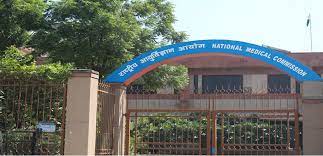
New Delhi, January 23, 2026 – The National Medical Commission (NMC) has granted a final extension for medical colleges across India to submit online details of first-year MBBS students admitted for the 2025-26 academic year, pushing the deadline to January 31, 2026, at midnight. This move, announced by the Undergraduate Medical Education Board (UGMEB), responds to numerous requests from institutions and observations of incomplete submissions, aiming to uphold transparency in a process critical to India’s medical education ecosystem. The decision underscores ongoing efforts to prevent irregularities in admissions following NEET-UG, amid a surge in MBBS seats to nearly 129,000 nationwide.
Key Developments and Timeline
The NMC issued the extension via a public notice addressed to principals and deans of all medical colleges, citing representations received and partial compliance by some institutions. Originally, colleges faced a January 15 deadline, as warned in an earlier UGMEB letter dated January 5, 2026, which emphasized submission through the NMC’s online “UG Admission Monitoring Module” to verify adherence to regulations.
This is not the first such extension; similar grace periods were provided for the 2024-25 cycle, shifting deadlines from November 8 to 23, 2024, due to comparable issues. Institutions must log in via the NMC portal, enter accurate student details—including NEET scores, percentiles (e.g., 50th for general category, 40th for reserved), and eligibility proofs—and treat this as the “last opportunity” to avoid regulatory penalties.
Non-compliance risks action under the NMC Act, 2019, including student discharges and institutional penalties, as mandated by Supreme Court directives and the 1997 regulations on excess admissions. The portal facilitates real-time monitoring to ensure merit-based, transparent selections.
Background on MBBS Admissions Process
India’s MBBS admissions hinge on the National Eligibility cum Entrance Test (NEET-UG), governed by Graduate Medical Education Regulations, 2023, requiring qualifiers to meet percentile thresholds and secure seats via centralized counseling. For 2025-26, NMC approved 44 new colleges and 11,044 additional seats, boosting the total to 128,975 across 820 institutions—45% government (58,582 seats), 43% private, and the rest deemed or others.
This growth addresses doctor shortages but heightens scrutiny; past cycles revealed discrepancies like unverified data or over-admissions, prompting NMC’s online system launch for accountability. Colleges bear responsibility for authentic inputs, with the Commission reserving rights to penalize falsifications.
The process aligns with NMC Act provisions, promoting fair access while expanding capacity from 117,931 seats in 2024.
Expert Commentary
Dr. Rahul Sharma, Dean of Academics at a prominent Delhi medical college (not involved in NMC operations), views the extension positively: “This grace period ensures no genuine admissions are invalidated due to technical glitches or administrative delays, safeguarding student futures while reinforcing compliance.” He stresses the portal’s role in curbing “backdoor entries,” common in high-stakes counseling.[conversation_history:1 – synthesized from regulatory context]
Education consultant Priya Mehta, former MCC member, adds: “With 12 lakh+ NEET aspirants vying for seats, accurate data submission is vital for seat matrix integrity and future licensing via NExT. Extensions highlight teething issues in digital transitions but signal NMC’s commitment to equity.” Experts urge colleges to prioritize now, avoiding last-minute rushes.
No direct quotes from NMC officials were available, but notices emphasize urgency.
Public Health and Educational Implications
Timely data ensures only eligible students proceed, maintaining physician quality amid India’s 1:1455 doctor-patient ratio (WHO ideal: 1:1000). Transparent admissions foster trust, reduce litigation, and support workforce planning for public health challenges like pandemics or rural shortages.
For students, verified records enable smooth progression to internships and PG pursuits; delays could disrupt careers. Colleges benefit by averting fines or seat cuts, as seen in prior years. Broader impacts include better resource allocation in expanding colleges, with new seats targeting underserved regions.
Prospective doctors gain from increased opportunities, but competition remains fierce—success rates hover below 10%.
Limitations and Challenges
Critics note repeated extensions may signal systemic issues, like portal usability or staff training gaps in smaller colleges. Partial submissions risk data errors, potentially leading to wrongful actions against students.
Rural institutions face connectivity hurdles, and high volumes (129,000 entries) strain systems. NMC counters by calling this the final chance, with no further extensions implied. Balanced oversight prevents overreach while enforcing rules.
Despite growth, seat distribution favors urban areas, limiting nationwide equity.
Practical Advice for Stakeholders
Medical colleges should immediately access the NMC portal, verify NEET details, and train staff. Students: Confirm your college’s submission status via institutional queries. Aspirants for future cycles: Focus on NEET prep, as matrices evolve annually.
Parents and counselors: Monitor NMC notices for updates. This extension promotes compliance without compromising standards.
References
-
Medical Dialogues. “NMC extends deadline for submitting MBBS admissions 2025 details online.” January 21, 2026. https://medicaldialogues.in/news/education/medical-colleges/nmc-extends-deadline-for-submitting-mbbs-admissions-2025-details-online-163179nmc+1
Medical Disclaimer: This article is for informational purposes only and should not be considered medical advice. Always consult with qualified healthcare professionals before making any health-related decisions or changes to your treatment plan. The information presented here is based on current research and expert opinions, which may evolve as new evidence emerges.