 0
0
 0
0
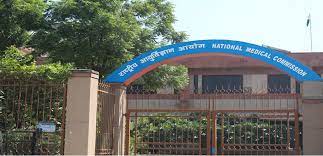
In response to recent devastating floods in northern Indian states and union territories, the National Medical Commission (NMC) has mandated the deployment of postgraduate (PG) medical students to provide crucial healthcare relief in affected areas. Announced on September 6, 2025, this directive integrates disaster response into the existing District Residency Programme (DRP), aiming to bolster healthcare workforce capacity during emergencies while enriching medical training.
Key Developments
The National Medical Commission’s Postgraduate Medical Education Board (PGMEB) issued an official notice on September 6, 2025, instructing nodal officers overseeing the District Residency Programme to post PG medicos in the flood and disaster-affected northern regions of India. This new deployment will be formally counted as a part of their residency training. The decision addresses an urgent shortfall in healthcare professionals needed for ongoing relief operations prompted by recent widespread flooding events in northern states and union territories.
The PGMEB emphasized the dual benefits of this move: it will provide immediate, much-needed healthcare services in disaster zones, while postgraduate medical students will gain practical experience in disaster response, community health management, and field-level public health practices.
Expert Commentary and Context
Dr. Anjali Mehra, an experienced public health specialist unaffiliated with the NMC, commented, “Integrating disaster relief efforts as part of postgraduate medical training is a progressive approach. It not only fills the acute resource gap but also prepares future doctors with critical skills in emergency management and community engagement, which traditional curricula often overlook.”
Floods cause a surge in acute and chronic health issues including waterborne diseases, trauma cases, and exacerbation of existing conditions. Immediate professional medical response is vital. According to the World Health Organization, disasters can overwhelm local healthcare systems, and deploying trained medical personnel into affected zones can mitigate mortality and morbidity.
Background on District Residency Programme
The District Residency Programme was introduced to bridge the gap between tertiary medical education and real-world health service delivery at community and district levels. The programme immerses postgraduate students in primary and secondary healthcare settings, enhancing their understanding of local health needs and public health infrastructure.
With this directive, the NMC is leveraging DRP’s existing structure to respond dynamically to natural disasters. By formally recognizing deployment in flood zones as valid DRP training, the commission acknowledges the educational value of experiential learning in crisis settings.
Public Health Implications
This policy has significant public health importance. Flood-affected populations often face barriers to timely medical care, including disrupted healthcare infrastructure and increased demand for services. Deploying postgraduate doctors can improve accessibility and quality of emergency healthcare, which is crucial in preventing complications and long-term health consequences.
Moreover, this initiative aligns with broader governmental appeals for mobilizing all available healthcare resources during disasters, reflecting a coordinated disaster management strategy. Enhanced training through field exposure may also lead to a more resilient healthcare workforce capable of meeting future crises.
Potential Limitations and Counterpoints
While this deployment strategy offers advantages, careful supervision and support for PG medicos are critical. Disaster zones present challenging conditions that require experienced guidance, especially for trainees. Dr. Rakesh Singh, a senior emergency medicine consultant, warns, “While invaluable as a learning experience, exposing students to disaster settings must be balanced against patient safety and the trainees’ preparedness. Structured oversight and mental health support must be prioritized.”
Further, some experts highlight the possibility of disruption to standard academic training timelines. The NMC will need to monitor and ensure that these field assignments complement rather than hinder the comprehensive educational requirements of postgraduate medical programs.
Practical Implications for Readers
For the general public and healthcare consumers, this initiative means more on-ground medical professionals available in emergency-hit areas, potentially improving health outcomes during floods and other disasters. For medical students and educators, it underscores evolving medical education that integrates real-world crisis response into formal training.
Readers should understand that PG medical students’ involvement in disaster areas is a supervised and structured part of their education, designed to benefit both the community and the students’ professional growth. It also reflects the healthcare system’s adaptive strategies to crises, underlining the importance of strengthening healthcare workforce capacity nationwide.
Medical Disclaimer
Medical Disclaimer: This article is for informational purposes only and should not be considered medical advice. Always consult with qualified healthcare professionals before making any health-related decisions or changes to your treatment plan. The information presented here is based on current research and expert opinions, which may evolve as new evidence emerges.
References
-
National Medical Commission, Postgraduate Medical Education Board. (2025, September 6). Notice on deployment of postgraduate medical students under the District Residency Programme in flood-affected regions. Available at: https://medicaldialogues.in/pdf_upload/nmc-deployment-of-post-graduate-medical-students-under-the-district-residency-programme-drp-in-recent-flood-affected-regions-300077.pdf