 0
0
 0
0
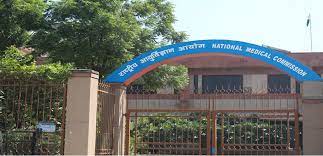
The National Medical Commission (NMC) has revoked the medical registrations of four doctors allegedly involved in the terror module linked to the deadly car blast near Delhi’s Red Fort Metro Station on November 10, 2025. This decisive action bars the doctors from practicing medicine anywhere in India until further notice, reflecting the severity of the allegations and their implications for public trust in the medical profession.
Key Developments and Background
On November 10, a powerful car blast near the Red Fort claimed the lives of 12 people and injured many others, triggering a nationwide security alert. Investigations by law enforcement agencies uncovered a terror module linked to the Jaish-e-Mohammed group, which included medical professionals accused of facilitating the operation. The Jammu and Kashmir Police, along with other state medical councils, provided evidence implicating four doctors: Dr. Muzaffar Ahmad, Dr. Adeel Ahmad Rather, Dr. Muzamil Shakeel, and Dr. Shaheen Saeed.
Following these findings, the NMC cancelled the Indian Medical Register (IMR) and the National Medical Register (NMR) entries of these doctors, with immediate effect. The move enforces prior cancellations issued by the Jammu and Kashmir and Uttar Pradesh Medical Councils, ensuring uniform enforcement across all states. According to the NMC order, these practitioners “shall cease to be entitled to practise medicine or hold any appointment as medical practitioners till further orders”.
Expert Commentary and Ethical Implications
The NMC’s statement highlighted that the conduct of the accused doctors is “prima facie inconsistent with the standards of integrity, propriety and public trust expected of the medical profession,” citing the Indian Medical Council (Professional Conduct, Etiquette and Ethics) Regulations, 2002. This underscores the ethical breach not only in their alleged involvement in criminal activities but also the consequent erosion of confidence the public places in medical practitioners.
Dr. Anil Mehta, a senior medical ethicist not involved in the case, noted, “Medical professionals hold a unique position of trust within society; any evidence suggesting involvement in unlawful activities necessitates stringent disciplinary action to uphold the profession’s integrity and safeguard public safety.”
Contextualizing the Incident
The doctors are accused of being part of a larger terror network operating across regions, including the discovery of nearly 2,900 kg of ammonium nitrate explosives, assault rifles, ammunition, and electronic detonation devices stored in rented premises in Srinagar and Faridabad. This complex operation reportedly used medical professionals’ cover and resources for illicit purposes.
This case raises concerns about vulnerabilities within regulatory systems overseeing medical registrations and practice, emphasizing the importance of robust background checks and continuous monitoring by medical councils to prevent misuse of medical credentials for activities threatening public safety.
Public Health and Safety Implications
While the immediate health impact of this case is indirect, the incident stresses the critical role of medical regulatory bodies in maintaining public trust and ensuring that medical practitioners adhere to stringent ethical and legal standards. A breach of this trust can have ripple effects, potentially damaging public confidence in healthcare systems and practitioners, which is detrimental to health outcomes and community wellbeing.
Potential Limitations and Perspectives
It is important to note that these doctors are currently accused but have yet to be proven guilty in a court of law. The NMC’s cancellation of their registrations is a precautionary and protective measure pending further investigation or judicial outcomes. Some experts advocate for the principle of presumed innocence until proven otherwise but acknowledge the necessity of stringent interim actions in cases involving national security.
What This Means for Readers
For laypersons, this case illustrates the critical importance of regulatory vigilance in healthcare and reflects how breaches in professional ethics can have far-reaching consequences beyond individual careers, potentially affecting societal safety. It also serves as a reminder to rely on medical professionals who are not just clinically competent but also ethically sound and law-abiding.
Medical Disclaimer: This article is for informational purposes only and should not be considered medical advice. Always consult with qualified healthcare professionals before making any health-related decisions or changes to your treatment plan. The information presented here is based on current research and expert opinions, which may evolve as new evidence emerges.
References