 0
0
 0
0
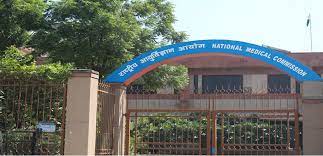
NEW DELHI — In a strategic move to enhance the transparency and rigor of medical education oversight in India, the National Medical Commission (NMC) has officially opened applications for eligible faculty members from government medical colleges to join its prestigious pool of assessors.
The announcement, released via a formal circular from the Medical Assessment and Rating Board (MARB), seeks to expand the cadre of experts responsible for evaluating the infrastructure, faculty strength, and clinical standards of medical institutions across the nation. By tapping into the expertise of seasoned educators from the government sector, the NMC aims to fortify the integrity of the accreditation process that determines the quality of training for the next generation of Indian doctors.
Strengthening the Quality Framework
The role of an NMC assessor is a cornerstone of medical regulation. These individuals are tasked with conducting physical and virtual inspections of both existing and proposed medical colleges. Their evaluations directly influence whether an institution is granted permission to start new courses, increase student intake, or maintain its current accreditation.
For years, the inspection process has been under the microscope, with stakeholders calling for greater objectivity and a reduction in the “inspector raj” culture that previously shadowed medical education. By inviting a fresh wave of government faculty, the NMC is signaling a commitment to a peer-review model that prioritizes academic excellence and clinical preparedness over mere box-ticking.
“The quality of a medical degree is only as good as the oversight of the college that grants it,” says Dr. Aradhana Sharma, a veteran medical educator and former dean of a state-run medical college, who is not involved in the current NMC recruitment. “Bringing in active faculty from government institutions is vital because they understand the ground realities of public health settings and the high standards required to produce competent physicians.”
Eligibility and the Selection Process
The NMC has laid out specific criteria to ensure that only the most qualified and ethically sound professionals enter the assessor pool. According to the official notification, the invitation is extended to faculty members currently serving in government medical colleges who meet the following requirements:
-
Experience: Applicants must hold a significant tenure as Professors or Associate Professors.
-
Institutional Standing: Candidates must belong to recognized government institutions, ensuring they are well-versed in the regulatory benchmarks they will be tasked to enforce.
-
Integrity: A clean professional record is mandatory, as assessors hold a high-stakes fiduciary responsibility.
The application process is digitized through the NMC portal, reflecting a broader push toward “Digital India” initiatives within the healthcare bureaucracy. Faculty members are required to submit their profiles, teaching experience, and clinical specializations to be vetted by the MARB.
Why This Matters for Public Health
While the recruitment of assessors may seem like an administrative detail, its implications for public health are profound. The surge in medical colleges in India—which now exceeds 700 institutions—has raised concerns regarding the “dilution” of education quality. Some private institutions have historically been accused of “ghost faculty” (hiring doctors only for the days of inspection) or lacking adequate clinical material (patients) for student learning.
A robust, well-trained pool of government-based assessors acts as a safeguard. Faculty from government hospitals typically manage high patient loads and rigorous academic schedules, giving them a “sharp eye” for detecting discrepancies during inspections.
“When an inspector knows how a functioning OPD (Outpatient Department) should look on a Tuesday morning, they are harder to deceive,” notes Dr. Rajesh Venkat, a health policy analyst. “This move isn’t just about filling seats; it’s about ensuring that when a student graduates, they are actually capable of saving lives.”
Statistical Context: The Expansion of Medical Education
The urgency for a larger assessor pool is driven by the rapid scaling of India’s medical education infrastructure:
-
Growth: In the last decade, the number of MBBS seats has increased by over 100%, now surpassing 100,000 seats annually.
-
New Institutions: The government’s “one district, one medical college” policy has led to a flurry of new setups that require annual monitoring.
-
The Gap: Currently, the ratio of available experienced assessors to the number of annual inspections remains tight, often leading to a small group of experts being over-leveraged.
Potential Challenges and Balanced Perspectives
Despite the positive outlook, the initiative faces potential hurdles. One primary concern is the “conflict of interest” or the “brain drain” from government duties.
“Government faculty are already overworked, often balancing clinical duties, teaching, and research,” says Dr. Sharma. “When they are pulled away for 3-4 days to conduct an inspection in another state, the local patient care at their home institution can suffer.”
Furthermore, some critics argue that excluding private sector faculty from the assessor pool—while perhaps intended to prevent bias—might overlook highly qualified educators in top-tier private trust hospitals who could offer valuable perspectives on modern medical technology and administrative efficiency.
What This Means for Students and Patients
For the aspiring medical student, this move translates to a promise of better training environments. When inspections are rigorous, colleges are forced to invest in better labs, libraries, and faculty.
For the general public, it ensures that the “Dr.” prefix remains a mark of quality. By strengthening the inspection process, the NMC is working to ensure that every hospital—whether in a metropolitan city or a rural district—is staffed by professionals who have been trained in institutions that meet strict national benchmarks.
Looking Ahead
The NMC has urged all eligible faculty to apply promptly, viewing this as a “national service” toward the improvement of medical standards. As the MARB begins the process of onboarding these new assessors, the focus will shift toward training them in the New Assessment and Rating Regulations, which emphasize outcome-based education rather than just physical infrastructure.
In the long run, the success of this initiative will be measured not by the number of faculty who join, but by the measurable improvement in the quality of clinical graduates and the transparency of the accreditation reports made available to the public.
Medical Disclaimer
This article is for informational purposes only and should not be considered medical advice. Always consult with qualified healthcare professionals before making any health-related decisions or changes to your treatment plan. The information presented here is based on current research and expert opinions, which may evolve as new evidence emerges.
References
Official Communications:
-
National Medical Commission (NMC). Circular: Invitation for Faculty of Government Medical Colleges to Join the Assessor Pool. Medical Assessment and Rating Board (MARB), 2024. https://www.nmc.org.in/