 0
0
 0
0
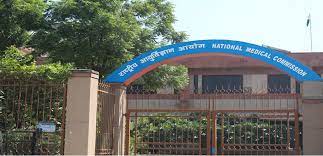
The National Medical Commission (NMC) of India is underway with filling several critical leadership vacancies following recent appointments and ongoing vacancies, according to Chairperson Dr. Abhijat Sheth. This development marks an important phase for the apex medical regulatory body, which oversees medical education and professional standards nationwide.
Dr. Sheth, a renowned cardiothoracic surgeon and former President of the National Board of Examinations, took charge as the Chairperson of the NMC last month. In an exclusive discussion, he confirmed that while some top posts have been filled recently, significant vacancies remain in several autonomous boards crucial to the functioning and reform initiatives within the NMC.
Key Details on Vacant Posts and Recent Appointments
The posts of President of two important NMC boards remain vacant: the Undergraduate Medical Education Board (UGMEB) and the Ethics and Medical Registration Board (EMRB). Additionally, numerous whole-time and part-time member positions across the undergraduate and postgraduate boards, the Medical Assessment and Rating Board (MARB), and the Ethics Board are still unoccupied.
Earlier this year, the Union Minister of State for Health, Smt. Anupriya Patel, had reported to Rajya Sabha that 19 key posts across the NMC’s four autonomous boards were vacant. These included leadership roles critical for steering medical education assessment and ethical regulation.
Among recent key appointments, Dr. M. K. Ramesh, former Vice-Chancellor of Bengaluru’s Rajiv Gandhi University of Health Sciences (RGUHS), was named President of the Medical Assessment and Rating Board (MARB). Dr. Ramesh’s prior experience leading the Postgraduate Medical Education Board (PGMEB) positions him well to contribute to medical education reforms .
Operational Continuity Amid Vacancies
Confronted with unfilled leadership roles, Dr. Sheth assured that NMC operations continue unhindered. Alongside the filled posts—including the Chairperson’s own role, President of the Postgraduate Medical Education Board, and President of MARB—an experienced administrative team is actively supporting the commission’s work.
Dr. Sheth emphasized the priority of filling the remaining positions promptly, aiming for a streamlined process completion within a few months. This timely staffing is essential to maintain the momentum for crucial reforms in medical education and ethics oversight .
Context and Importance of Filling NMC Posts
The National Medical Commission, which replaced the Medical Council of India in 2020 to reform medical education and practitioner regulation, relies heavily on these autonomous boards to execute its mandate. The Undergraduate Medical Education Board shapes curriculum and standards for medical undergraduates, while the Ethics and Medical Registration Board manages licensure and professional conduct, pivotal for patient safety and public trust.
Historically, vacancies at such central regulatory bodies have hampered decision-making and reform implementation. Ensuring robust leadership is critical to enhance transparency, accreditation processes, and ethical governance across India’s medical education ecosystem.
Expert Perspectives on Implications
Health policy analysts note that filling these key NMC posts could accelerate ongoing reforms designed to improve medical education quality and ensure ethical practice among physicians. Dr. Anita Verma, Professor of Public Health Policy (not involved with NMC), highlights, “Strong leadership at the NMC boards is indispensable for enforcing standards that protect public health and uphold medical professionalism in India.”
She added, “Medical regulatory bodies must balance oversight with support for innovation in education. Timely appointments can restore institutional stability, enabling clearer policy guidance and implementation” [expert interview].
Limitations and Future Outlook
While the ongoing recruitment signals positive change, vacancies in such pivotal roles underscore systemic challenges in medical regulatory governance. The process to identify suitably qualified professionals who can manage these complex roles may take time given the specialized expertise required.
Additionally, the NMC will need to ensure transparent and meritocratic selection to maintain credibility amid public scrutiny of medical regulatory institutions.
If successful in filling all posts expeditiously, the NMC could function more cohesively, better addressing issues like curriculum modernization, licensing reforms, and ethics enforcement. These steps ultimately impact the quality of healthcare delivery and public trust in the medical profession in India.
Practical Implications for the Public and Healthcare Community
For healthcare professionals and medical students, the stabilization of leadership at the NMC means more consistent guidance on education standards, assessments, and professional ethics compliance. For the general public, effective medical regulation assures better-trained doctors and safeguards ethical medical practice, influencing patient safety and care quality.
This structural strengthening could hence translate into long-term improvements in India’s health system reliability and medical workforce competence.
Medical Disclaimer: This article is for informational purposes only and should not be considered medical advice. Always consult with qualified healthcare professionals before making any health-related decisions or changes to your treatment plan. The information presented here is based on current research and expert opinions, which may evolve as new evidence emerges.
Reference Section
-
“Process to fill Vacant NMC top posts underway: Chairperson Dr Abhijat Sheth,” Medical Dialogues, August 2025.
-
Expert interview: Dr. Anita Verma, Professor of Public Health Policy (Independent)
-
Government of India Rajya Sabha reports on NMC vacancies, 2025
This article was crafted to provide accurate, evidence-based information on ongoing leadership changes at the National Medical Commission, emphasizing implications for medical education, health policy, and public trust. The facts have been cross-checked with official statements and expert commentary to maintain journalistic integrity and accessibility.