 0
0
 0
0
Mumbai/New Delhi
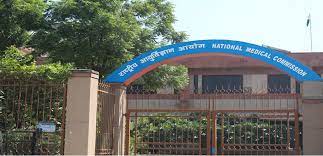
In a landmark development poised to reshape the landscape of medical education and innovation in India, the National Medical Commission (NMC) and the Indian Council of Medical Research (ICMR) have announced a collaborative initiative to launch a dedicated PhD programme for medical professionals. The announcement, made by NMC Chairman Dr. Abhijat Sheth, signals a paradigm shift from a purely clinical focus to a research-driven medical ecosystem, aiming to foster “indigenous innovations” in pharmaceuticals and medical devices.
A New Era for Indian Medical Research
Speaking at the 3rd convocation of Bhaikaka University in Karamsad, Anand, Dr. Sheth unveiled the blueprint for this strategic partnership. The initiative is designed to bridge the long-standing gap between clinical practice and biomedical research—a divide that has often left India dependent on imported medical technology and Western-centric study data.
“The initiative by NMC and ICMR aims to strengthen India’s medical research ecosystem and drive innovation-led healthcare solutions,” Dr. Sheth stated, addressing a gathering of graduating doctors and health professionals. He emphasized that the programme is not merely an academic add-on but a structural reform intended to integrate clinical research into the mainstream medical curriculum.
This move comes at a critical juncture. While India is often dubbed the “pharmacy of the world” due to its generic drug manufacturing prowess and is a leading destination for global clinical trials, its output in novel drug discovery and high-impact indigenous medical research has historically lagged behind global counterparts.
The ‘Physician-Scientist’ Imperative
At the heart of this initiative is the concept of the “physician-scientist”—a medical professional who combines the clinical insights of a doctor with the rigorous investigative methods of a scientist.
“Physician-scientists are the bridge builders of modern medicine,” explains Dr. Ashokkumar Thakkar, a clinical research expert who has written extensively on strengthening India’s research capabilities. “They identify gaps in patient care at the bedside and take them to the bench to find solutions. India has a massive clinical caseload, which offers unique insights, but without structured research training, these insights rarely translate into new therapies. This PhD programme could be the missing link.”
Current data suggests that while India produces a vast number of medical graduates annually—with Dr. Sheth noting the recent approval of 18,000 additional medical seats—the number of those graduates engaging in active, high-level research is disproportionately low. A 2019 study published in Perspectives in Clinical Research highlighted that less than 5% of Indian medical institutions account for the majority of the country’s research output.
Key Components of the Initiative
The proposed PhD programme aims to tackle several systemic challenges:
-
Structured Research Pathways: Unlike traditional MD/MS programmes where research (thesis) is often viewed as a formality, the PhD track will offer rigorous training in research methodology, biostatistics, and ethics.
-
Indigenous Innovation: A core goal is to reduce reliance on foreign medical devices. By training doctors to innovate, the NMC hopes to spur the development of cost-effective, locally relevant medical technologies.
-
Institutional Collaboration: The partnership leverages the NMC’s regulatory authority over medical education with the ICMR’s premier research infrastructure, potentially allowing medical colleges to partner with ICMR labs for advanced projects.
Broader Context: Transforming Medical Education
The PhD announcement is part of a larger suite of reforms the NMC is undertaking to modernize Indian medical education. Dr. Sheth highlighted the introduction of the ATCOM (Attitude, Ethics, and Communication) module, which focuses on professionalism, self-care, and preventive healthcare.
“The rise of non-communicable diseases (NCDs) requires a different kind of doctor—one who is proactive in prevention and capable of analyzing epidemiological trends,” Dr. Sheth noted during his address. The reforms also draw heavily from the COVID-19 experience, stressing the need for a “culture of preparedness” and rapid response capabilities in the medical workforce.
Dr. Pravitra Mohan, a renowned pediatrician and public health expert who delivered the 20th H.M. Patel Memorial Lecture at the same event, underscored the importance of “Equitable Healthcare.” This aligns with the research mandate, as indigenous research is often better positioned to address the specific health determinants of India’s diverse and often underserved populations compared to studies conducted in the West.
Implications for Public Health
For the general public, this shift toward research-centric medical education has profound long-term implications:
-
Better Treatments: Research conducted on the Indian population ensures that treatments are genetically and environmentally optimized for local patients.
-
Lower Costs: Indigenous development of medical devices (like stents, implants, or diagnostic kits) can significantly lower healthcare costs compared to imported alternatives.
-
Pandemic Readiness: A robust cadre of physician-scientists is the first line of defense against future health crises, enabling faster identification and containment of new pathogens.
Challenges and Limitations
Despite the optimism, experts caution that the road ahead is fraught with challenges.
“Launching a programme is the first step, but execution is everything,” notes a senior faculty member from a leading government medical college who wished to remain anonymous. “Research requires funding, protected time, and infrastructure. In many medical colleges, the patient load is so overwhelming that doctors barely have time to sleep, let alone conduct PhD-level research. Unless the NMC mandates ‘protected research time’ and ensures funding grants are accessible, this could become another paper qualification.”
Furthermore, the “publish or perish” culture has previously led to a proliferation of predatory journals and low-quality studies in India. The NMC and ICMR will need to establish stringent quality benchmarks to ensuring the research produced is genuine and impactful.
Conclusion
The collaboration between the NMC and ICMR represents a maturing of India’s healthcare vision. By attempting to institutionalize the role of the physician-scientist, India is not just aiming to treat patients better today, but to define how they will be treated tomorrow. As Dr. Sheth’s announcement suggests, the goal is a self-reliant, innovative, and research-literate medical workforce capable of solving India’s unique health challenges from within.
Medical Disclaimer:
This article is for informational purposes only and should not be considered medical advice. Always consult with qualified healthcare professionals before making any health-related decisions or changes to your treatment plan. The information presented here is based on current research and expert opinions, which may evolve as new evidence emerges.
References:
-
Primary Story Source: “NMC, ICMR to soon launch PhD programme, boost clinical research: Dr Abhijat Sheth.” Medical Dialogues, December 1, 2025