 0
0
 0
0
New Delhi, June 2, 2025:
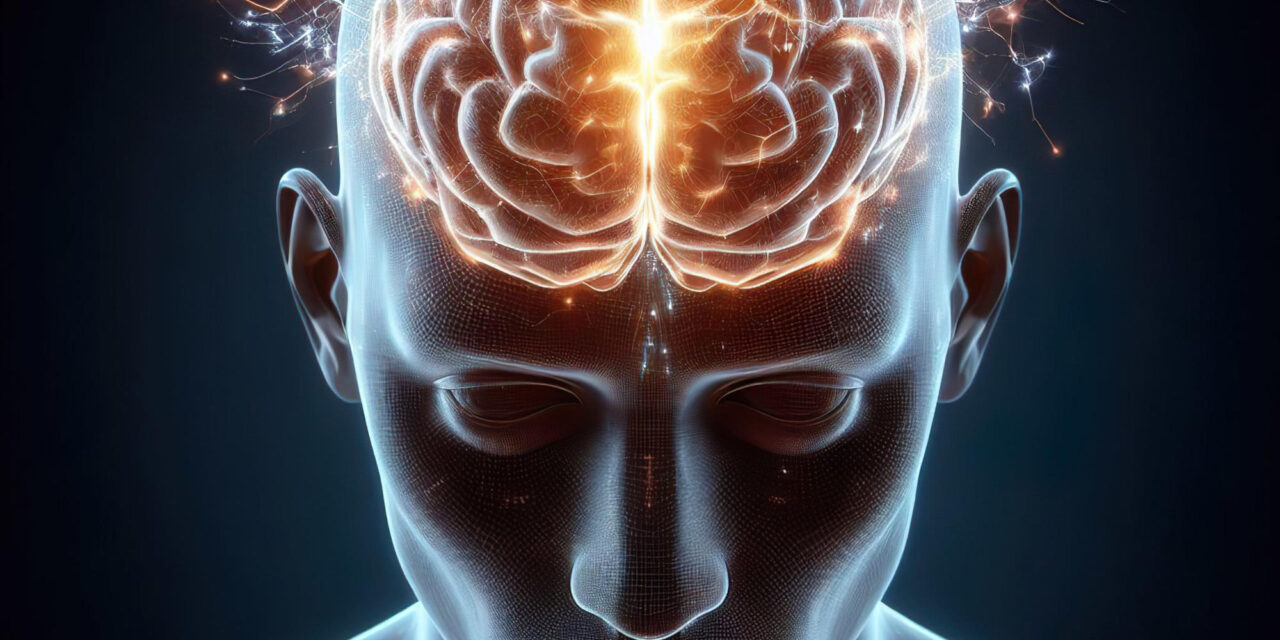
India is poised to take a significant step forward in addressing the growing burden of brain and mental health disorders. NITI Aayog, in collaboration with leading healthcare institutions and experts, is finalizing a comprehensive National Brain Health Blueprint aimed at transforming the country’s approach to brain health and dementia care.
Final Stages of Deliberation
According to a senior government official, the blueprint has been in development for over a year, involving extensive consultations between NITI Aayog, the Institute of Human Behaviour and Allied Sciences (IBHAS), the National Institute of Mental Health and Neuro Sciences (NIMHANS), the All India Institute of Medical Sciences (AIIMS), and private sector psychologists. The final roadmap is expected to be firmed up in a high-level meeting this week, with the report slated for submission to the government by the end of June.
Focus on Early Detection and Holistic Care
The proposed blueprint aims to introduce a service model akin to brain health clinics. These clinics will help professionals identify early cognitive decline and intervene to improve brain health, ultimately reducing the risk of dementia and other neurological disorders.
Experts will also recommend strategies to prevent and treat brain diseases by reviewing existing gaps in healthcare delivery and suggesting targeted interventions. The initiative is designed to operate at all levels of the healthcare system—primary, secondary, and tertiary.
Rising Burden of Dementia and Mental Health Disorders
India faces a rapidly increasing burden of dementia. According to the Alzheimer’s and Related Disorders Society of India, approximately 7.4% of Indians aged 60 and above currently suffer from dementia—a number projected to rise by 93% to 17 million by 2036, up from the current 8.8 million.
Mental health, often neglected in public discourse, is also a growing concern. The World Health Organization (WHO) estimates that India’s burden of mental health problems stands at 2,443 disability-adjusted life years (DALYs) per 10,000 population. The economic loss due to mental health conditions between 2012 and 2030 is projected at a staggering $1.03 trillion.
The Ministry of Health and Family Welfare reports that 15% of India’s adult population requires intervention for mental health issues, with urban areas showing a higher prevalence (13.5%) compared to rural regions (6.9%).
Expert Opinions
Dr. Samir Parikh, psychiatrist and director at Fortis Healthcare, emphasized the urgent need for such initiatives:
“Mental health needs a lot of focus, both on the preventive side as well as interventions. Anything we do in terms of access, affordability, lifestyle changes, or through digital and physical centres for early diagnosis would be of great significance in improving mental health across all age groups in the country.”
Looking Ahead
The National Brain Health Blueprint is expected to provide a structured framework for early detection, prevention, and management of brain and mental health disorders, potentially transforming the landscape of neurological healthcare in India.
Disclaimer:
This article is based on information reported by The Economic Times and official sources as of June 2, 2025. The details regarding the National Brain Health Blueprint are subject to change pending final government approval and implementation. For the latest updates, please refer to official government releases and The Economic Times.
Citations: