 0
0
 0
0
Rourkela, May 16, 2025 – In a significant stride for cardiac healthcare, researchers at the National Institute of Technology (NIT), Rourkela, have developed a pioneering upgrade to the conventional electrocardiography (ECG) system. This new technology, known as the Atrial Lead System (ALS), promises enhanced detection of atrial arrhythmias-irregular heart rhythms originating in the upper chambers of the heart.
Addressing a Critical Challenge in Cardiac Care
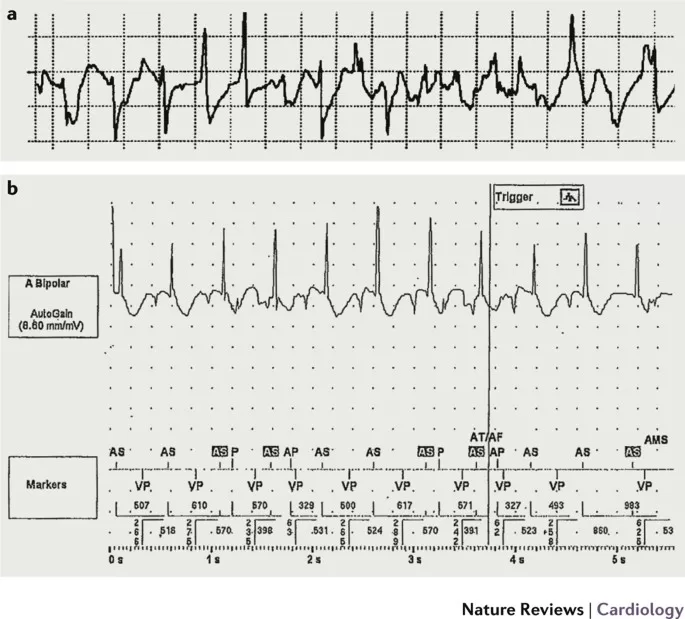
Atrial arrhythmias, particularly atrial fibrillation, are among the most common heart rhythm disorders and can lead to severe complications such as stroke. Early and accurate detection is crucial for timely intervention. However, traditional ECGs often struggle to clearly capture the “P-wave”-the electrical signal from the atria-due to its subtlety and interference from stronger signals from other heart regions.
Dr. J Sivaraman, Assistant Professor in the Department of Biotechnology and Medical Engineering at NIT-Rourkela, explained, “Irregular heart rhythms in the upper chambers are responsible for a large number of cardiac-related deaths globally. Early identification can help doctors begin timely treatment and prevent complications.”
The ALS: A Simple Yet Powerful Innovation
The ALS works by modifying the placement of ECG electrodes to better capture atrial electrical activity. This novel arrangement significantly amplifies the P-wave, making atrial signals more visible and easier to interpret for both clinicians and computer-based diagnostic tools.
“One of the most promising aspects of our work is that it requires no change to the ECG machine itself,” said Dr. Sivaraman. “The innovation lies entirely in the way the leads are placed, which means the upgrade can be easily adopted in both public and private healthcare settings, without additional cost.”
Research and Collaboration
The research, published in international journals such as Biomedical Signal Processing and Control, Medical Hypotheses, and Physical and Engineering Sciences in Medicine, was led by Dr. Sivaraman, N Bala Chakravarthy, and Kunal Pal, with research scholars Prasanna Venkatesh and Arya Bhardwaj. Clinical validation was provided by Dr. R Pradeep Kumar, Senior Interventional Cardiologist at MIOT International Hospital, Chennai, and Jaiprakash Hospital and Research Centre, Rourkela.
Highlighting the clinical significance, Dr. Kumar noted, “A clearly-appreciated P wave in ECG gives a clue to the diagnosis of atrial pathology. To distinguish atrial fibrillation from other supraventricular arrhythmias, P-wave morphology needs to be taken into consideration.”
Looking Ahead
The ALS has already received a patent application and financial backing from the government’s Anusandhan National Research Foundation (ANRF). Its ease of integration and potential to improve diagnostic accuracy could make it a game-changer in cardiac care, especially in resource-limited settings.
Disclaimer:
This article is based on information reported by ThePrint and official statements from NIT-Rourkela. The ALS is currently in the research and patent application phase. Clinical adoption and widespread use will depend on further validation and regulatory approvals. For medical advice or diagnosis, consult a qualified healthcare professional.
Citations: