 0
0
 0
0
Malappuram, May 8 – Kerala is once again on high alert after a 42-year-old woman from Valanchery in Malappuram district tested positive for the deadly Nipah virus, marking the state’s first confirmed case of 2025 and reigniting public health concerns in a region that has faced repeated outbreaks since 2018.
The woman, who had been suffering from high fever, persistent cough, and severe breathing difficulties for several days, was admitted to a private hospital in Perinthalmanna. After two earlier tests in Kozhikode returned negative, a third sample sent to the National Institute of Virology (NIV) in Pune confirmed Nipah infection on Thursday. She is currently in critical condition and undergoing intensive treatment, with health authorities closely monitoring her status and all potential contacts.
Escalating Concerns and Containment Efforts
Authorities have launched emergency surveillance, contact tracing, and containment measures across Malappuram, with the Kerala Health Department on high alert to prevent further spread. State health minister Veena George confirmed that all necessary steps are being taken to ensure the virus does not spread to others.
Adding to the concern, two of the woman’s family members recently recovered from prolonged fever, and their pet dog died, prompting further investigation by local health officials. The exact source of the infection remains unclear, complicating efforts to trace the origin and block transmission chains.
Kerala’s Troubling Nipah History
Kerala has witnessed five Nipah outbreaks since 2018, primarily during the May-September rainy season, when viral fevers are common and early diagnosis is challenging. Since the first outbreak in Kozhikode and Malappuram in 2018, the state has recorded at least 22 Nipah-related deaths, with a high fatality rate and only a handful of survivors. Last year, Malappuram reported two Nipah deaths, further highlighting the district’s vulnerability.
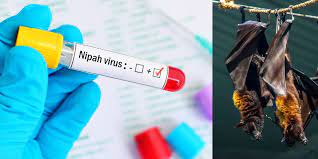
Studies have repeatedly identified fruit bats as the natural reservoir of the virus, with human infections often linked to contact with bat-contaminated fruits or animals. The strain circulating in Kerala is related to the Bangladeshi variant, known for its high mortality rate, sometimes reaching up to 90%.
Symptoms and Precautionary Measures
Nipah virus infection can range from asymptomatic to fatal encephalitis. Common symptoms include:
-
Headache
-
Fever
-
Vomiting
-
Muscle pain
-
Severe weakness
-
Diarrhoea
-
Cough
-
Sore throat
-
Shortness of breath
There is currently no vaccine or specific antiviral treatment for Nipah virus. Supportive care remains the only available medical intervention. Health authorities urge the public to:
-
Avoid contact with sick animals and bats
-
Refrain from consuming fruits that have bat bite marks or have fallen to the ground
-
Wash fruits thoroughly before eating
-
Practice frequent handwashing
-
Report any fever with neurological or respiratory symptoms promptly
Ongoing Vigilance Needed
The resurgence of Nipah virus in Malappuram underscores the importance of vigilance, rapid response, and community awareness, especially in districts with a history of outbreaks. Early detection, strict infection control, and public cooperation remain crucial to containing further spread and minimizing fatalities.
“Cooperation from the public and alertness are essential to fight Nipah scientifically,” said a district medical officer in Wayanad, reflecting the urgent need for community engagement in preventive measures.
Disclaimer: This article presents information based on currently available reports and health advisories. It is not a substitute for professional medical advice. For symptoms or concerns, consult a qualified healthcare provider.
Citations: