 0
0
 0
0
In a concerning escalation of West Bengal’s first Nipah virus outbreak in nearly two decades, two additional nurses exhibiting Nipah symptoms have been admitted to Beliaghata ID Hospital in Kolkata, following the critical condition of two others confirmed positive by the National Institute of Virology (NIV) in Pune. The infections, linked to human-to-human transmission among healthcare staff at Barasat Government Hospital and Burdwan Medical College, have prompted a robust national response including a multi-agency outbreak team and quarantine of over 120 contacts. Health authorities emphasize vigilant surveillance to prevent wider community spread of this highly lethal zoonotic pathogen.
Outbreak Timeline and Case Details
The crisis unfolded when two nurses—one male and one female—from Barasat Government Hospital in North 24 Parganas tested positive for Nipah virus after samples confirmed at AIIMS Kalyani’s Virus Research and Diagnostic Laboratory (VRDL) were verified by NIV Pune on January 13, 2026. Both remain in extremely critical condition, comatose and on ventilation in the Intensive Care Unit (ICU) at Barasat Hospital, highlighting the virus’s rapid progression to severe encephalitis.
On January 15, two more nurses who treated one of the infected nurses at Burdwan Medical College and Hospital (one admitted late January 13 and the other early January 15) developed symptoms including fever and were rushed to Beliaghata ID Hospital, a specialized infectious disease facility; their samples are under examination. A resident medical officer (RMO) at Barasat Hospital, exposed to the initial cases, showed mild symptoms but tested negative on multiple swabs (nasal, blood, urine, throat) at AIIMS Kalyani and remains isolated. No community cases have been reported yet, but the chain points to possible transmission from a Barasat healthcare worker who died weeks ago with similar symptoms.
What is Nipah Virus?
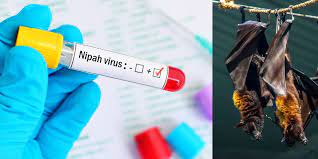
Nipah virus (NiV), a bat-borne paramyxovirus first identified during a 1998-1999 outbreak in Malaysia affecting pigs and humans, causes acute respiratory illness and fatal encephalitis with case fatality rates of 40-75%. In India, outbreaks have occurred in Kerala (2018-2023) and previously in West Bengal (2001, 2007), often tied to contaminated date palm sap or fruits handled by fruit bats (Pteropus species), though human-to-human spread via respiratory droplets drives amplification in healthcare settings.
Symptoms begin flu-like—fever, headache, muscle pain, vomiting—progressing within 3-14 days to severe pneumonia, brain inflammation (encephalitis), seizures, and coma, akin to a storm overwhelming the body’s neurological defenses. Diagnosis relies on RT-PCR testing of bodily fluids, with no specific antiviral or vaccine available; treatment is supportive, focusing on ventilation, hydration, and seizure control to buy time for recovery. West Bengal’s last major Nipah event in 2007 saw 5 deaths among 37 cases, underscoring the need for swift intervention.
Public Health Response and Containment Measures
West Bengal health officials have identified over 120 close contacts—including family members, 8 doctors and multiple nurses from Barasat, Burdwan, and Katwa hospitals, plus ambulance staff—for home quarantine and daily monitoring, with additional tracing ongoing. The state activated its Integrated Disease Surveillance Programme (IDSP), while the central government deployed a National Joint Outbreak Response Team from NIV Pune, National Institute of Epidemiology Chennai, AIIMS Kalyani, and wildlife experts.
Union Health Minister Jagat Prakash Nadda assured full support to Chief Minister Mamata Banerjee, activating the National Centre for Disease Control’s Public Health Emergency Operations Centre (PHEOC) and sharing Nipah guidelines. West Bengal Governor C.V. Ananda Bose stressed, “Nipah virus has to be contained first; eradication should be top priority,” urging heightened vigilance. Protocols include BSL-2 labs for testing, personal protective equipment (PPE) for staff, dedicated ambulances, and public advisories against raw date palm juice during winter, when bats contaminate sap.
Expert Insights and Potential Source
Experts not involved in the response highlight healthcare worker vulnerability due to close patient contact without full precautions. Dr. Shahid Jameel, former CEO of Wellcome Trust/DBT India Alliance, noted in prior Nipah discussions that “human-to-human transmission in hospitals is the biggest amplifier; rigorous PPE and isolation are non-negotiable.” Virologist Dr. T Jacob John, known for polio eradication efforts, has previously warned that Nipah’s high mortality demands “One Health” integration—monitoring bats, safe agricultural practices, and rapid diagnostics like Truenat tests.
The infection source remains elusive: no interstate travel history, but nurses visited homes in East Midnapore and Katwa; possibilities include human chains from the deceased colleague or zoonotic spillover via seasonal date palm sap, popular in rural Bengal winters. Wildlife experts on the response team are investigating bat reservoirs.
Implications for Public Health and Daily Precautions
This cluster signals risks to healthcare systems and potential spillover if unchecked, especially in densely populated Bengal with seasonal bat-human interfaces. For the public, it means avoiding uncooked date palm products, practicing hand hygiene, and reporting fever with neurological symptoms promptly; healthcare workers must prioritize PPE amid NiV’s nosocomial spread potential. Long-term, experts advocate vaccines (in trials), monoclonal antibodies, and community education via schools and leaders, as only 29% in some Nipah-belt studies show good knowledge.
Balanced against successes like Kerala’s contained outbreaks through surveillance, this event tests India’s preparedness; limitations include diagnostic delays and unknown animal sources, but early NIV confirmation and tracing bode well.
Limitations and Ongoing Challenges
While contact tracing covers 120+, under-detection in rural areas or asymptomatic carriers poses risks; negative RMO tests suggest incubation uncertainties. No vaccine exists, and supportive care yields variable outcomes based on early intervention. Conflicting views note possible over-alarm if zoonotic-only, but evidence favors hospital amplification. Continuous genomic surveillance, as in Kerala, is vital.
Medical Disclaimer: This article is for informational purposes only and should not be considered medical advice. Always consult with qualified healthcare professionals before making any health-related decisions or changes to your treatment plan. The information presented here is based on current research and expert opinions, which may evolve as new evidence emerges.
References
-
Economic Times Health. (2026, January 15). Two more nurses with Nipah symptoms admitted to Kolkata hospital. https://health.economictimes.indiatimes.com/news/industry/two-more-nurses-with-nipah-symptoms-admitted-to-kolkata-hospital/126536775