 0
0
 0
0
The National Human Rights Commission (NHRC) has issued a notice to the Union Health Ministry and the Food Safety and Standards Authority of India (FSSAI) over allegations of widespread reuse of cooking oil across the country. The Commission’s intervention, prompted by a public complaint from Madhya Pradesh, frames the issue not merely as a food safety violation but as a potential human rights concern affecting public health on a national scale .
Background and Complaint
According to proceedings dated October 22, 2025, the NHRC directed both agencies to conduct a probe and furnish a state-wise action report within two weeks. The complaint, filed by the founder of Sarthak Samudayik Vikas Evam Jan Kalyan Sanstha (a Bhopal-based organization), alleges that despite the FSSAI’s “RUCO — Repurpose Used Cooking Oil” initiative, the reuse of cooking oil remains rampant among small eateries, roadside vendors, and restaurants .
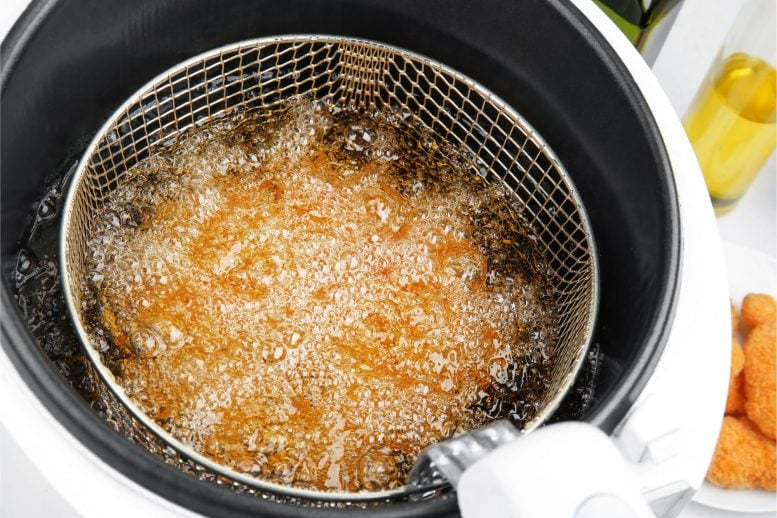
The complainant argued that many vendors “repeatedly reuse or resell used cooking oil,” which can lead to the formation of harmful compounds such as trans fats, free radicals, and polar compounds — substances linked to an increased risk of cancer, cardiovascular disease, and liver damage .
Public Health Implications
When edible oil is reheated multiple times, its chemical composition changes. Studies have shown that reheated oils produce toxic aldehydes, which can damage cells and DNA. According to a 2016 study published in Food Chemistry, frequent reuse of vegetable oils increases oxidative stress—an imbalance that contributes to non-communicable diseases including diabetes and hypertension (Kumar et al., Food Chemistry, 2016).
Likewise, research from the Indian Institute of Technology (IIT) Guwahati observed that polyunsaturated oils such as sunflower or soybean oil undergo significant degradation after just two rounds of deep-frying, forming compounds that may adversely affect the liver and gastrointestinal tract (IIT Guwahati, 2018).
Dr. Neha Rastogi, a clinical nutritionist at Medanta Hospital (not involved in the case), emphasizes that reused oil “acts as a carrier of toxic compounds that increase harmful LDL cholesterol, promote inflammation, and over time may lead to chronic metabolic diseases.”
Regulatory Framework and Challenges
India’s food safety regulator, FSSAI, launched the RUCO initiative in 2018 to collect and convert used cooking oil into biodiesel, limiting the total polar compounds in edible oil to 25%. However, implementation remains uneven. Small establishments operating informally often lack the means or awareness to adhere to FSSAI’s standards.
The NHRC proceedings note that “the alleged violations may constitute a breach of the human rights of citizens to health and a clean environment.” The Commission also directed authorities to strengthen enforcement and consider public awareness campaigns to curb hazardous practices .
According to the FSSAI’s annual food safety report (2023–24), India consumes over 27 million tonnes of edible oil annually, with as much as 3 million tonnes potentially entering reuse cycles in unregulated markets. Environmentalists have also raised concerns that discarded oil is sometimes dumped into drains or soil, contaminating water sources and ecosystems.
Expert Commentary
Dr. Rajiv Tandon, a public health expert at the All India Institute of Medical Sciences (AIIMS), notes that the issue straddles health and environmental safety. “This is a systemic problem — not just a matter of vendor malpractice. The lack of accessible oil collection infrastructure and low enforcement capacity are equally responsible,” he said.
Independent food safety consultants argue that effective management will require a combination of regulatory oversight and behavioral change. “People believe as long as oil is visibly clean, it’s safe to reuse — which is not true,” said food technologist Ketaki Deshmukh of the Central Food Technological Research Institute (CFTRI). “Thermal degradation is invisible to the eye, but its effects on the heart and liver are long-term and serious.”
Potential Solutions and Public Awareness
Experts suggest a multi-pronged strategy:
-
Strengthen enforcement: Increase frequency of inspections among small eateries and vendors under state food safety departments.
-
Expand RUCO networks: Create localized oil collection hubs, especially in tier-2 and tier-3 cities.
-
Public education: Promote awareness through campaigns in partnership with state health departments and civic bodies.
-
Monitoring and traceability: Introduce QR-coded oil packaging that records use cycles, helping trace reused oil in food supply chains.
Dr. Rastogi further adds, “Consumers must also play a role by avoiding foods fried in reused oil, particularly street foods cooked in visibly dark or thick oil. Asking vendors about their oil-use practices can build collective accountability.”
Ethical and Human Rights Dimensions
The NHRC’s intervention reflects a growing policy trend that recognizes health hazards as possible human rights violations. Under Section 12 of the Protection of Human Rights Act, 1993, the Commission can seek accountability from government institutions in cases where failure of regulation leads to public harm .
Public health advocates have welcomed the move as a step toward framing access to safe food as a human right. However, they caution that unless the Health Ministry and FSSAI act swiftly and transparently on NHRC’s notice, such directives could lose impact.
Conclusion
The widespread reuse of cooking oil is an insidious threat — a mix of economic compulsion, regulatory gaps, and lack of awareness. As India grapples with rising rates of heart disease, obesity, and cancer, ensuring safe food practices at every level of the supply chain is both a public health necessity and a human rights obligation. The NHRC’s notice could become a pivotal moment to transform how India enforces and perceives food safety.
Medical Disclaimer:
This article is for informational purposes only and should not be considered medical advice. Always consult with qualified healthcare professionals before making any health-related decisions or changes to your treatment plan. The information presented here is based on current research and expert opinions, which may evolve as new evidence emerges.
References:
-
NHRC notice to Health Ministry, FSSAI on “widespread reuse of cooking oil,” Economic Times Health, October 22, 2025.