 0
0
 0
0
Pelvic organ prolapse (POP), a debilitating condition affecting one in four women and up to 50% of post-menopausal women, has long been a hidden pandemic in women’s health. This condition occurs when the tissues, pelvic floor muscles, and ligaments supporting pelvic organs (such as the bladder, uterus, and bowel) become damaged, often during childbirth, causing the organs to shift or “drop.” These shifts can lead to painful and life-altering symptoms, including loss of bladder and bowel control and discomfort during sexual intercourse. For many, the only recourse is surgical intervention, but current options remain limited and carry significant risks.
However, recent advancements in medical research are offering a new, safer path forward. A team of researchers at the Hudson Institute of Medical Research has developed a promising solution in the form of next-generation degradable 3D meshes designed to regenerate vaginal tissue and provide a safer alternative for POP repair. This breakthrough is a significant step toward improving the safety and efficacy of treatments for this pervasive condition.
Breakthrough in Repair Options
The team, led by Dr. Kallyanashis Paul and Associate Professor Shayanti Mukherjee, has pioneered a world-first study involving degradable melt electrowrite (MEW) vaginal implants, using advanced 3D printing methods. These implants are designed to regenerate damaged vaginal tissue and were made from a polymer material approved by the U.S. Food and Drug Administration (FDA) for tissue engineering therapies. This innovative approach offers a new research angle for treating POP, marking an important milestone in the development of safer surgical solutions for women.
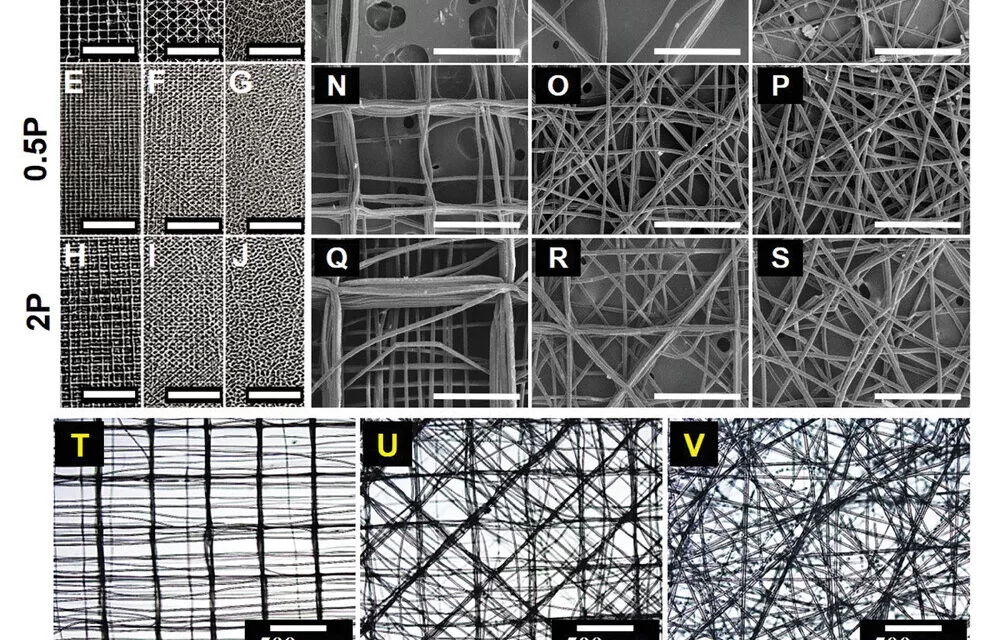
Using Dr. Paul’s expertise in 3D printing technology, the researchers fabricated nine architecturally distinct meshes to optimize both degradation and tissue integration. “The challenge with previous meshes was a chronic foreign body response (FBR), which hindered the growth of healthy tissue,” explained Dr. Paul. “By using layer-by-layer addition 3D printing technology, we created meshes that the body will accept, rather than reject.”
Boosting Native Tissue Repair
Associate Professor Mukherjee emphasized the importance of this study for the future of POP treatment. “The meshes we’ve developed are customizable and designed to boost the body’s natural tissue repair process. Over time, the body will absorb the mesh, leaving behind healthy new tissue and potentially reversing the damage caused by POP.”
Veteran stem cell biologist Professor Jerome Werkmeister also highlighted the significance of the research. “We already know that our eMSC therapy can modulate the immune response to mesh implantation. The design and geometry of the mesh itself are crucial in promoting tissue integration and favorable immune responses, which is vital for the success of this approach.”
A Safer Future for POP Repair
POP is a common yet often under-discussed condition, with risk factors including multiple births, obesity, age, ethnicity, and family genetics. Surgical solutions are frequently required, and in many cases, multiple surgeries are necessary. Traditional transvaginal meshes, which were once commonly used, were banned in Australia in 2017 due to serious complications caused by the synthetic materials used in these meshes. The excessive stiffness of the meshes often resulted in organ penetration and undesirable immune responses, leading to long-term damage for many women.
The innovative degradable meshes developed by the Hudson Institute researchers offer a much-needed safer alternative, with the potential to transform the way POP is treated worldwide.
Looking to the Future
The study, published in the journal Advanced Science, presents a major step forward in the development of advanced, patient-friendly solutions for pelvic floor reconstruction. It provides new hope for women suffering from POP and represents the growing potential of 3D printing technology in medical applications. Researchers are optimistic that this new approach will lead to safer, more effective clinical treatments for POP, with eventual commercialization offering hope to millions of women worldwide.
Disclaimer: The findings discussed in this article are based on a study published in the journal Advanced Science (2024). The results are from preclinical trials, and further clinical research is required before these treatments can be widely implemented. Consult with a healthcare professional for advice regarding pelvic organ prolapse and potential treatments.