 0
0
 0
0
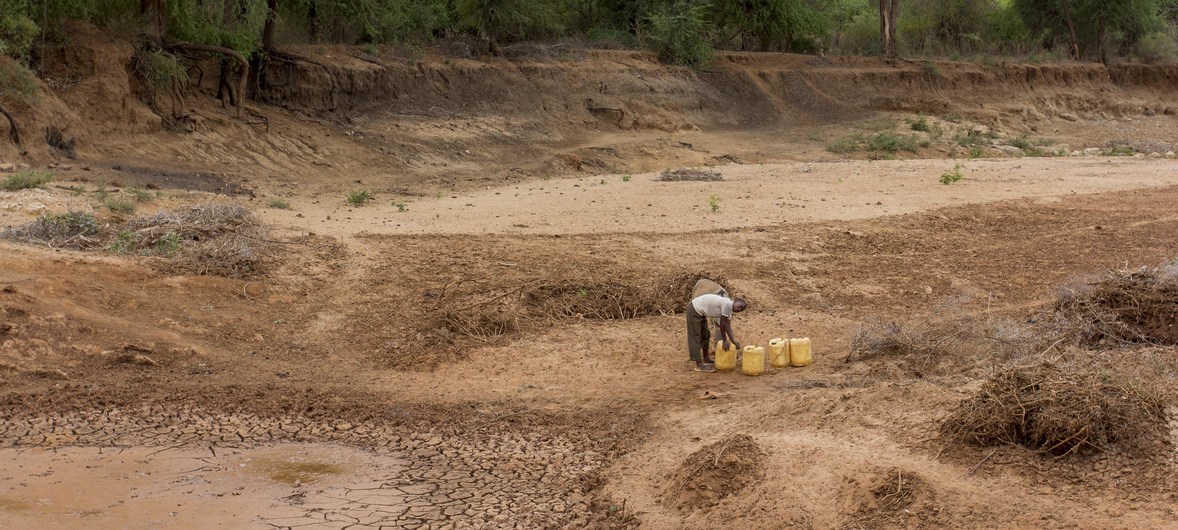
Scientists have identified a mental health condition called solastalgia, characterized by distress caused by unwanted changes in the places people call home due to environmental and climate changes. The term, a blend of “solace” and “nostalgia,” captures the pain and anxiety tied to witnessing current loss and environmental transformation without leaving one’s home.
A comprehensive scoping review by researchers from the University of Zurich analyzed 19 studies spanning countries like Australia, Germany, Peru, and the United States, involving over 5,000 participants. The review found consistent associations between solastalgia and mental health problems including depression, anxiety, post-traumatic stress disorder (PTSD), and somatization—physical symptoms resulting from psychological stress.
The emotional impact of solastalgia is often stronger when environmental degradation is prolonged or caused by human activity, such as continuous mining expansion or industrial development, compared to sudden disasters like floods or wildfires. Studies showed that living near an expanding open-pit mine in Germany correlated with depression and anxiety levels notably higher than those found after discrete events.
One U.S. study cited in the review linked each incremental increase on a solastalgia measurement scale to a 26% rise in psychological distress odds. The experience often relates to learned helplessness, where affected individuals feel powerless to control vast environmental changes reshaping their daily lives. This phenomenon especially impacts indigenous communities, farmers, and others whose identities are deeply rooted in specific lands.
To assess and track solastalgia, researchers have developed several validated scales such as the Environmental Distress Scale, Scale of Solastalgia, and the Brief Solastalgia Scale. These tools help health planners and clinicians identify at-risk populations in regions suffering from chronic environmental stressors like drought, repeated wildfires, or prolonged industrial expansion, enabling targeted mental health interventions.
While the current evidence is mainly observational and calls for longitudinal and quasi-experimental studies to clarify causal links and symptom durability, solastalgia is emerging as an important concept within the broader category of eco-emotions, including eco-anxiety and eco-grief. Naming this specific distress helps shift the conversation from vague worry to measurable mental health risks linked to environmental change.
Disclaimer: This article summarizes findings from current scientific research and reviews but does not substitute professional medical advice. If you or someone you know is experiencing mental health challenges related to environmental change, please seek support from qualified healthcare providers.