 0
0
 0
0
May 12, 2025 – A groundbreaking study has identified a previously unknown gene mutation that causes an exceptionally severe and often fatal form of Fanconi anemia, a rare genetic disorder known for its aggressive progression and high risk of cancer.
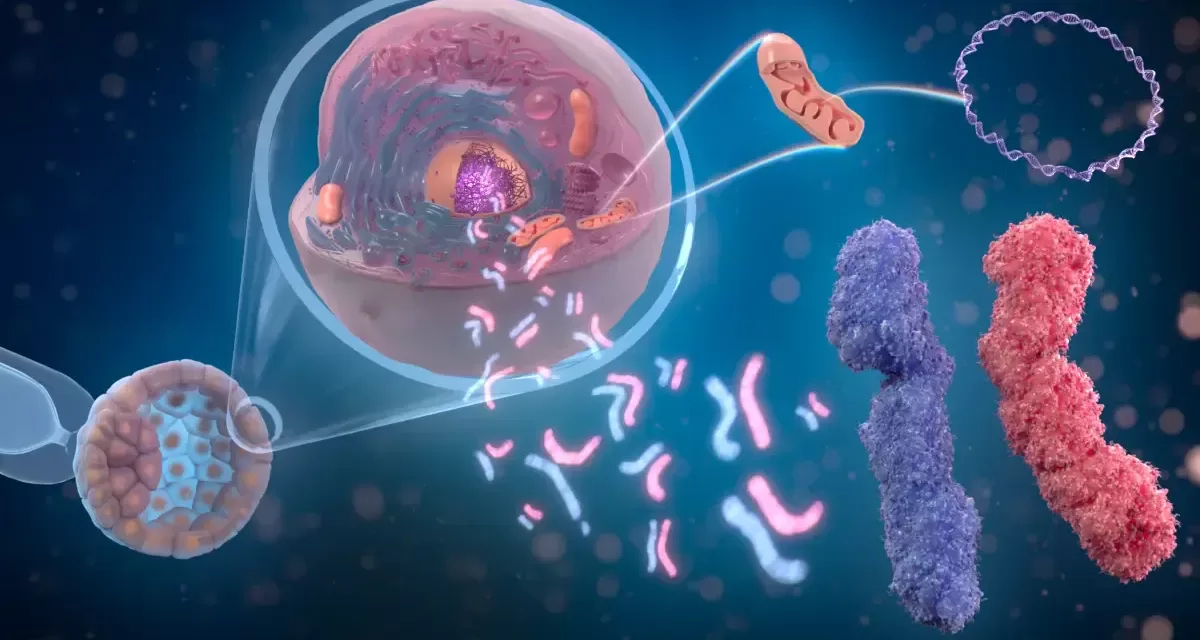
Published in the Journal of Clinical Investigation, the research pinpoints the FANCX gene as crucial for DNA repair. Mutations in this gene, scientists found, lead to a form of Fanconi anemia so severe that most affected fetuses do not survive to birth. Those who do are unlikely to live long, highlighting the essential role of FANCX in the development and maintenance of healthy stem cells.
A Genetic Mystery Unraveled
Fanconi anemia is typically caused by mutations in any of several genes that help repair DNA interstrand crosslinks-dangerous bonds that can damage genetic material. Until now, the FANCX gene, also known as FAAP100, had not been linked to the disorder. That changed when a New York family, plagued by multiple miscarriages and a newborn with fatal developmental abnormalities, sought help from a team at the Icahn School of Medicine at Mount Sinai.
Genetic testing and advanced sequencing techniques revealed mutations in the FANCX gene. Further research, led by Dr. Agata Smogorzewska at Rockefeller University and in collaboration with teams from New York University and Mount Sinai, confirmed that the absence of a functional FANCX protein crippled the DNA repair pathway, resulting in the most aggressive form of Fanconi anemia observed to date.
Global Collaboration and Broader Implications
The discovery was soon echoed by findings from Kasturba Medical College in India, where a second family with recurrent miscarriages was found to carry the same mutation. Meanwhile, German researchers had independently reported similar results, leading to a coordinated publication effort.
The Fanconi Cancer Foundation played a pivotal role in connecting researchers and families, facilitating the rapid sharing of data and the co-publication of these critical findings.
Hope for the Future
This discovery not only expands the list of genes associated with Fanconi anemia to 23 but also opens new avenues for genetic screening and family planning. Dr. Smogorzewska envisions a future where preimplantation genetic diagnosis during IVF could help carriers of FANCX mutations avoid passing on the disorder.
“We now know what we’re looking for,” she said, expressing hope that early detection and targeted interventions could spare families from the heartbreak of repeated miscarriages and childhood loss.
Disclaimer:
This article summarizes findings from recent scientific research and is intended for informational purposes only. It does not constitute medical advice. Individuals concerned about Fanconi anemia or genetic disorders should consult a qualified healthcare professional. The information is based on the original research publication and related news reports; findings may evolve as further studies are conducted.
Citations: