 0
0
 0
0
New York State health officials announced on December 26, 2025, that 71,123 laboratory-confirmed influenza cases were reported for the week ending December 20—the highest weekly total since flu became a reportable disease in 2004. This surge marks a 38% increase from the prior week, with cumulative cases reaching 189,312 so far this 2025-2026 season and influenza-related hospitalizations jumping 63% to 3,666 statewide. State Health Commissioner Dr. James McDonald warned of escalating activity, urging vaccination and preventive measures amid a national uptick in respiratory illnesses.
Key Surge Statistics
The New York State Department of Health (NYSDOH) data highlights unprecedented flu intensity early in the season. In New York City alone, emergency room visits for flu-like symptoms reached 9,857 during the same week, surpassing peaks from the severe 2017-18 and 2024-25 seasons, with over half of 24,607 lab-confirmed cases among children. Hospitalizations statewide climbed from 2,251 to 3,666, reflecting strained healthcare resources as flu activity typically peaks in January.
Nationally, the Centers for Disease Control and Prevention (CDC) reports flu hospitalizations at the third-highest rate in 15 years, with an estimated 2.9 million illnesses, 30,000 hospitalizations, and 1,200 deaths so far this season. Influenza A(H3) dominates in New York, contributing to a “tripledemic” alongside RSV and COVID-19.
Expert Warnings and Official Response
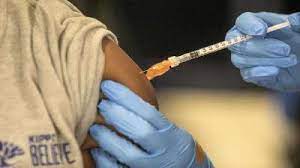
Dr. James McDonald, NYSDOH Commissioner, stated, “We are seeing the highest number of flu cases ever recorded in a single week in New York state,” emphasizing vaccination, staying home when sick, and antiviral treatment within 48 hours of symptoms for high-risk groups. The state declared influenza “prevalent” earlier in December, mandating masks for unvaccinated healthcare workers in patient areas.
Dr. Ann Falsey, an infectious disease expert at UR Medicine not involved in state surveillance, noted, “Typically, we don’t see such an intense flu season until January or February, but occasionally it occurs earlier… There are worries that it may be more severe this time around.” Dr. Dwayne Breining from Northwell Health added that flu is “rising a lot faster than it did last year,” with hospitalizations up 75% in early December.
Historical Context and Drivers
Flu tracking began in 2004, making this week’s figure a clear record, though increased lab testing contributes to higher reported numbers compared to past decades. New York City’s cases already exceeded last season’s totals by mid-December, with pediatric cases prominent amid holiday gatherings and waning immunity post-COVID disruptions.
Contributing factors include low vaccination rates—nine of 13 suspected severe pediatric influenza cases last season involved unvaccinated children—and circulating strains mismatched from prior vaccines, though experts stress shots still reduce severity. Regional data shows Suffolk County with 7,571 cases and 313 hospitalizations, mirroring statewide trends.f
Public Health Implications
This surge strains hospitals, with officials monitoring bed capacity for respiratory viruses. High-risk groups—young children, elderly, pregnant people, and those with chronic conditions—face greater hospitalization and complication risks, including pneumonia. Practical steps include annual flu shots (effective even late-season), handwashing, avoiding sick contacts, and prompt antiviral use like oseltamivir for symptoms like fever, cough, and aches.
For everyday readers, this means prioritizing vaccination before January peaks and testing for flu-like illnesses to guide treatment. Families should stock antivirals prescriptions if high-risk and limit exposure during holidays.
Limitations and Balanced View
Reported cases reflect tested individuals seeking care, underestimating true prevalence; historical comparisons are imperfect due to better diagnostics now. No pediatric deaths are tied to this week’s data, unlike last season’s 26 statewide, but surveillance continues. Vaccination efficacy varies by strain match—around 40-60% typically—yet reduces severe outcomes.f
Conflicting views note early peaks occur periodically without national catastrophe, and overemphasis on flu may overshadow RSV or COVID. NYSDOH stresses layered prevention over alarm.
References
-
New York State Department of Health. (2025, December 26). Record flu surge reported [Press release]. Cited in Fox News. https://www.foxnews.com/health/record-breaking-flu-numbers-reported-new-york-state-sparking-warnings-from-officials