 0
0
 0
0
The New York State Department of Health announced on October 15, 2025, the confirmation of a locally acquired case of chikungunya virus in Nassau County on Long Island, marking the first such instance in New York and the United States since 2019. Laboratory tests conducted at the department’s Wadsworth Center validated the infection, with investigations suggesting transmission via a bite from an infected mosquito. However, the exact source of exposure remains unknown, and there are no indications of ongoing local transmission at this time.
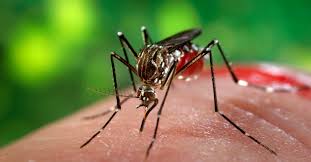
Chikungunya is a mosquito-borne viral illness predominantly found in tropical and subtropical regions. It is transmitted by the bite of infected female Aedes mosquitoes, principally Aedes aegypti and Aedes albopictus, which are present in parts of the New York metropolitan area, including suburban Long Island. The virus causes symptoms such as sudden onset fever, severe joint pain, headache, muscle pain, joint swelling, rash, nausea, and fatigue. While the illness is rarely fatal, it can cause debilitating joint pain that may persist for weeks, months, or even years after recovery. Most patients recover within a week.
Dr. Amesh Adalja, an infectious diseases specialist at the Johns Hopkins Center for Health Security, emphasized the significance of this case given the ambiguity regarding the individual’s exposure source and the fact that local mosquito populations have not yet tested positive for the virus. Despite this, untested mosquito populations could potentially harbor the virus, underscoring the importance of ongoing surveillance.
The risk of transmission to the general public is considered low, particularly with the cooler fall temperatures leading to decreased mosquito activity. However, individuals at higher risk for severe disease include newborns infected near the time of birth, adults aged 65 and older, and people with chronic health conditions such as hypertension, diabetes, or heart disease. In severe cases, hospitalization may be required due to risks of organ damage or other complications.
Chikungunya cannot be spread directly from person to person. Instead, it relies on mosquitoes feeding on infected humans and subsequently transmitting the virus to others through bites. This transmission cycle means that local outbreaks can occur if an infected traveler is bitten by local mosquitoes that then spread the virus to others.
Understanding chikungunya’s public health implications is crucial as it poses a growing threat beyond its traditional endemic regions, partly due to the expanding geographic distribution of its mosquito vectors. The World Health Organization and other global health bodies are supporting efforts to develop vaccines and strategic responses to this virus and other similar arboviruses.
For the public, practical preventive measures include minimizing mosquito exposure by using insect repellents, wearing protective clothing, eliminating standing water where mosquitoes breed, and ensuring window and door screens are intact.
Although chikungunya is often self-limiting, its potential for chronic joint pain and rare but serious complications necessitates awareness among healthcare providers and the public alike. Ongoing research and surveillance remain essential to monitor the virus’s spread and develop effective interventions.
Medical Disclaimer: This article is for informational purposes only and should not be considered medical advice. Always consult with qualified healthcare professionals before making any health-related decisions or changes to your treatment plan. The information presented here is based on current research and expert opinions, which may evolve as new evidence emerges.
References:
- https://abcnews.go.com/Health/new-york-confirms-1st-locally-acquired-case-chikungunya/story?id=126539403
- https://www.reuters.com/business/healthcare-pharmaceuticals/new-york-confirms-first-locally-acquired-chikungunya-case-us-since-2019-2025-10-15/