 0
0
 0
0
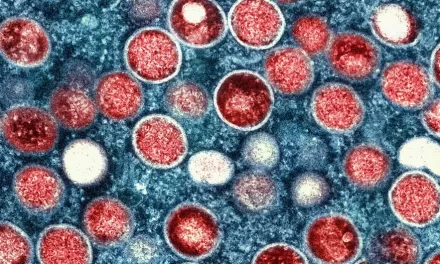
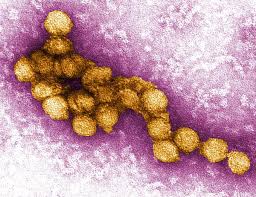
New York City health authorities have confirmed the first human cases of West Nile virus (WNV) for 2025, with two residents of Queens diagnosed this month amid peak mosquito activity across the five boroughs. One patient developed West Nile fever and has recovered after brief hospitalization, while another remains hospitalized with the more severe neuroinvasive form causing encephalitis—an infection of the brain. This development spotlights ongoing public health concerns as mosquito season extends from May through October, peaking in August and September in NYC.
Key Findings and Developments
The NYC Health Department reported that since July, West Nile virus has been detected in mosquito pools citywide, affecting all five boroughs. In addition to the two confirmed human cases, two blood donations—one each from Brooklyn and Staten Island—tested positive for the virus, though they do not meet criteria for confirmed human cases. Two additional potential cases from Brooklyn are under active investigation. According to city data, an average of 31 New Yorkers are diagnosed annually with West Nile neuroinvasive disease, which involves severe neurological complications.
The virus is primarily transmitted through the bite of infected Culex mosquitoes, which acquire the virus by feeding on infected birds. Most infected persons (approximately 80%) do not develop symptoms, while about 20% experience a mild, flu-like illness with fever, headache, body aches, rash, and fatigue. Less than 1% of infections lead to serious complications affecting the central nervous system—such as meningitis, encephalitis, or paralysis—which can be fatal, especially in older adults, organ transplant recipients, and those with weakened immune systems or chronic conditions.
Expert Perspectives
Acting Health Commissioner Dr. Michelle Morse emphasized the heightened risk for individuals aged 55 and older and those with compromised immunity. She stated, “West Nile virus can cause serious illness, especially among older adults and immunocompromised individuals. Our vector surveillance and control programs are crucial, but individual protective measures remain essential.” She urged New Yorkers to use EPA-registered insect repellents, wear long sleeves and pants particularly at dawn and dusk when mosquitoes are most active, eliminate standing water to reduce mosquito breeding grounds, and ensure window and door screens are intact.
Context and Background
West Nile virus was first identified in Uganda in 1937 and has since become a significant public health concern in the U.S., especially during mosquito season. While many cases remain asymptomatic or mild, severe neuroinvasive disease can lead to long-term neurological damage or death, with about 10% mortality in severe cases. Symptoms of severe illness include high fever, neck stiffness, disorientation, muscle weakness, tremors, convulsions, vision loss, numbness, and paralysis. Recovery can be prolonged and incomplete.
Implications for Public Health
The confirmation of WNV cases in NYC underlines the persistent seasonal threat posed by mosquito-borne diseases in urban environments. Public health authorities maintain ongoing mosquito surveillance and control efforts, including targeted pesticide spraying in neighborhoods with detected high mosquito populations. Residents are advised to take preventative actions seriously as the virus remains active into the fall months, with potential for further cases.
Preventative measures are critical since no licensed vaccines or specific treatments exist for West Nile virus infection. Supportive care such as rest, hydration, and pain management remains the mainstay. The public is encouraged to use approved insect repellents containing DEET, picaridin, oil of lemon eucalyptus (not for children under 3), or IR3535, wear protective clothing, and eliminate standing water sources in their vicinity to reduce mosquito breeding.
Potential Limitations and Counterarguments
Though the risk of severe illness is low for the general population, concerns arise primarily for vulnerable groups. Some may question the frequency or necessity of pesticide use for mosquito control due to potential exposures. The NYC Health Department addresses this by advising residents to stay indoors during spraying events and highlights that pesticide exposure at current levels is generally safe, though people with respiratory conditions should exercise caution. Reporting of WNV cases may underestimate actual infection numbers, as many infected individuals remain asymptomatic or undiagnosed.
Practical Health Advice for Readers
New Yorkers and visitors should remain vigilant throughout mosquito season. Simple steps such as applying EPA-approved repellents, wearing long clothing during peak mosquito activity times, removing standing water from flowerpots, gutters, and other containers, and maintaining physical barriers like window and door screens can effectively reduce infection risk. Awareness of symptoms and prompt medical attention if neurological signs develop is important, especially for high-risk individuals.
Medical Disclaimer: This article is for informational purposes only and should not be considered medical advice. Always consult with qualified healthcare professionals before making any health-related decisions or changes to your treatment plan. The information presented here is based on current research and expert opinions, which may evolve as new evidence emerges.
References