 0
0
 0
0
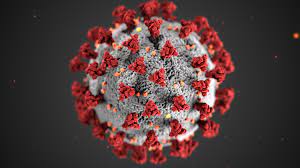
The United States is currently experiencing a significant late-summer surge in Covid-19 infections, driven primarily by the newly dominant XFG variant, a recombinant form of the Omicron strain family. First detected in Southeast Asia in January 2025 and identified by the World Health Organization (WHO) on June 25 as a “variant under monitoring,” XFG has rapidly spread globally and now accounts for the majority of cases in the US, especially in Western and Southern states. This article provides an evidence-based overview of the XFG variant, symptoms to watch for, current treatment guidance, and prevention strategies relevant to the public and healthcare professionals alike.
Understanding the XFG Variant
XFG is a hybrid or recombinant variant that combines genetic elements of two existing Omicron subvariants, LF.7 and LP.8.1.2. The WHO flagged it due to its rapid global dissemination—by late June 2025, it was detected in 38 countries and represented 22% of global Covid-19 cases. In the US, wastewater surveillance data from the Centers for Disease Control and Prevention (CDC) indicates that XFG rose from 0% of cases in March to 14% in late June, becoming the leading strain by early August.
States most affected include Texas, California, and Florida, with eleven states reporting “high” or “very high” viral activity. Analysis shows Covid-19 positivity rates around 9% in early August, underscoring the variant’s infectiousness, though this remains lower than the 18% peak positivity of last summer’s wave. Notably, emergency room visits related to Covid-19 have been increasing across all age groups, including a marked rise in children under 12 years .
Symptoms Associated with the XFG Variant
The symptom profile of XFG mirrors the broader Omicron family but includes notable patterns. Common symptoms reported include:
-
Sore throat
-
Cough
-
Nasal congestion or runny nose
-
Fever or chills
-
Shortness of breath
-
New loss of taste or smell
-
Fatigue and headache
-
Muscle aches
-
Gastrointestinal symptoms such as nausea, vomiting, or diarrhea
Experts advise vigilance for more serious warning signs warranting urgent medical care, including trouble breathing, persistent chest pain or pressure, new confusion, inability to stay awake, and changes in skin or lip color indicative of oxygen deprivation. These symptoms are critical to monitor, especially in vulnerable populations .
Expert Perspective
Dr. William Schaffner, a professor of infectious diseases at Vanderbilt University Medical Center, explains, “XFG is part of the very large Omicron family of variants. Its unique mutations in the spike protein enable it to evade antibodies from previous infections and vaccinations to some extent.” He emphasizes that despite this enhanced immune escape, current vaccines remain effective in preventing severe disease. “Last year’s vaccines, along with the anticipated updated formulations, should cover these new strains,” he said .
Context and Public Health Implications
Covid-19 waves in the US typically follow a biannual pattern with peaks in winter and summer. Seasonal spikes are driven by factors including waning immunity, viral mutations, and increased travel and social interactions. The pandemic mitigation community estimates around 512,000 new infections daily as of mid-August 2025, highlighting the ongoing transmission risk.
Continuous monitoring through wastewater testing provides early warnings of viral spread and can guide public health responses. The rising case numbers and increased hospital visits signal the importance of maintaining Covid-19 vigilance, particularly as communities gather and children return to schools .
Treatment and Prevention
Current treatment approaches for XFG-related Covid-19 remain consistent with general Covid care protocols: supportive treatment, use of antiviral medications where indicated, and management of complications.
Vaccination continues to be the cornerstone of prevention. The WHO and US health authorities affirm that existing vaccines retain efficacy against XFG, reducing risks of severe illness, hospitalization, and death. Public health officials encourage vaccine uptake including booster doses to enhance protection against this evolving variant.
Additional preventive measures include:
-
Mask-wearing in crowded or indoor settings
-
Good hand hygiene
-
Testing if symptomatic or after exposure
-
Staying home and isolating when infected
-
Prompt medical attention for severe symptoms as described above
Limitations and Balanced View
While data on XFG are growing, uncertainties remain regarding the full impact of this variant on disease severity and long-term outcomes. Ongoing research is critical to update guidance as new evidence emerges. Variants like XFG underscore the dynamic nature of Covid-19 and the need for adaptable public health strategies.
Furthermore, the public is reminded that vaccines do not provide absolute immunity but significantly mitigate risks.
Conclusion
The rise of the XFG variant represents the latest stage in the Covid-19 pandemic’s evolution, marked by increased transmissibility and partial immune evasion. Vigilance in symptom monitoring, continued vaccination efforts, and adherence to preventive measures remain vital. Staying informed through credible sources and consulting healthcare professionals when needed will help individuals navigate this surge safely.
Medical Disclaimer: This article is for informational purposes only and should not be considered medical advice. Always consult with qualified healthcare professionals before making any health-related decisions or changes to your treatment plan. The information presented here is based on current research and expert opinions, which may evolve as new evidence emerges.
References
-
World Health Organization. “Tracking SARS-CoV-2 variants.” June 25, 2025.
-
Centers for Disease Control and Prevention. Covid-19 surveillance and wastewater data. August 2025.
-
Schaffner W., Professor of Infectious Diseases, Vanderbilt University Medical Center. Interview with TODAY.com, August 2025.
-
USA Today Health Reports, August 2025.
-
Economic Times Health. “New XFG variant surge: symptoms, treatment and prevention tips.” August 2025. DOI: Not available .