 0
0
 0
0
The United States recently reported its first human case of New World screwworm (Cochliomyia hominivorax) infection, marking a rare but significant event that underscores the growing public health and agricultural concerns surrounding this parasitic fly. The case, identified in a Maryland resident who had traveled to El Salvador, has alerted clinicians, veterinarians, and public health officials to the potential for further incursions of this flesh-eating parasite in North America. With ongoing outbreaks in Central America and Mexico, experts stress the urgent need for vigilance, early detection, and coordinated control measures to prevent widespread impact on human health and livestock economies.
What Is New World Screwworm?
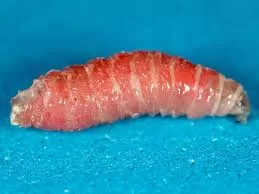
New World screwworm is a parasitic fly whose larvae infest living tissue in warm-blooded animals, including humans and livestock. Unlike common maggots that feed on dead tissue, screwworm larvae aggressively consume healthy flesh, causing rapidly worsening wounds. The females lay up to 500 eggs in exposed wounds or natural body openings, such as the nose or ears. Upon hatching within 12 to 24 hours, larvae burrow into living tissue, progressing into deeper, more destructive infestations if untreated.
Recent Case and Outbreak Context
The first confirmed human case in the United States was reported in August 2025 in Maryland, involving a traveler returning from El Salvador, a country currently experiencing an outbreak. Human infections remain rare compared to outbreaks in livestock but are similarly destructive and painful, with symptoms including visible larvae in wounds, foul odors, bleeding, and surrounding tissue damage. Fortunately, the Maryland patient has fully recovered, and the risk to the general public is considered low.
A surge in New World screwworm activity has been documented across Central America and southern Mexico, prompting heightened surveillance by U.S. authorities near the border. The U.S. Department of Agriculture (USDA) and Centers for Disease Control and Prevention (CDC) are actively monitoring and trapping flies within a 20-mile radius of affected areas to prevent local transmission.
Clinical Presentation and Treatment
Screwworm infestation, or myiasis, reveals itself through painful, smelly wounds often resistant to healing. The physical destruction caused by larvae burrowing and feeding on living tissue can lead to serious complications including secondary bacterial infections, sepsis, and in severe cases death if untreated. In animals, it can result in spontaneous abortion, reduced milk production, weight loss, and fertility issues.
Treatment involves meticulous manual removal of larvae, sometimes under anesthesia in humans or animals, combined with thorough wound care including antiseptic cleaning and antibiotics to prevent secondary infections. Several veterinary antiparasitic drugs—including ivermectin and spinosad—and novel off-label insecticides have shown effectiveness, though no FDA-approved drugs specifically target screwworm in animals yet. In some cases, larvicidal agents like hydrogen peroxide or alcohol are used to help expel larvae.
Prevention is considered paramount, with the sterile insect technique (release of sterile male flies) being the primary strategy to break the reproduction cycle and manage populations without environmental harm associated with widespread pesticide use.
Economic and Public Health Implications
The threat to livestock is profound, especially for the cattle industry. A 2024 USDA report estimated that a major screwworm outbreak in Texas alone could cause $732 million in direct producer losses and an overall $1.8 billion economic impact due to animal deaths, lost productivity, increased treatment costs, and containment efforts. These figures highlight the vulnerability of livestock economies to this parasite’s resurgence.
From a public health perspective, although human cases remain isolated and treatment-effective, the parasite’s expanding geographical reach and occasional transmission to people with wounds or compromised health demand awareness among healthcare providers. Early recognition of non-healing wounds and appropriate consultation with veterinarians or infectious disease specialists are key to preventing severe outcomes.
Expert Opinions
Dr. Brianna Schur, USDA’s deputy administrator for Veterinary Services, emphasizes vigilance in the medical and veterinary communities: “Private practitioners are our early-warning system. Detecting the signs early gives us the best chance of containment.” She notes the challenge in identifying screwworm larvae quickly in the field, urging professionals to send samples to authorities for confirmation before initiating treatment.
Max Scott, professor of entomology at North Carolina State University, explains the parasite’s lifecycle: “Females search for wounds or orifices to lay eggs, and once hatched, the larvae consume living tissue aggressively. Human-to-human transmission is not a concern, and infections can be successfully treated if caught early”.
Limitations and Challenges
Despite advances, challenges remain in rapid detection and treatment access, particularly in rural or resource-limited settings. The parasite’s invasive potential is facilitated by warming climates and increased international travel and trade. Also, decades of eradication success have led to diminished expertise and preparedness among ranchers and clinicians, increasing vulnerability to outbreaks.
The lack of FDA-approved drugs specifically for screwworm treatment in animals stresses the need for further research and development. Additionally, reliance on chemical pesticides carries environmental risks, emphasizing the importance of integrated pest management approaches.
Practical Takeaways
For consumers and healthcare providers, awareness of screwworm symptoms—such as non-healing, foul-smelling wounds with visible larvae—is crucial, especially for travelers returning from endemic regions or those in close contact with livestock. Prompt medical evaluation and appropriate wound care prevent complications.
Livestock owners should maintain good animal husbandry practices, monitor for early signs of infestation, and collaborate with veterinary services for preventive measures including sterile fly release and judicious use of antiparasitic treatments.
Conclusion
The emergence of New World screwworm in the United States, represented by a human case in Maryland, reflects the broader resurgence of this parasite linked to outbreaks in Central America. With its ability to severely harm animals and humans alike, coupled with significant economic repercussions, screwworm warrants renewed attention from public health officials, veterinarians, and clinicians. Early recognition, coordinated surveillance, preventive strategies, and prompt treatment remain the cornerstone of managing this reemerging parasitic threat.
Medical Disclaimer: This article is for informational purposes only and should not be considered medical advice. Always consult with qualified healthcare professionals before making any health-related decisions or changes to your treatment plan. The information presented here is based on current research and expert opinions, which may evolve as new evidence emerges.
References
- https://www.medscape.com/viewarticle/screwworm-primer-clinical-practice-2025a1000nsf