 0
0
 0
0
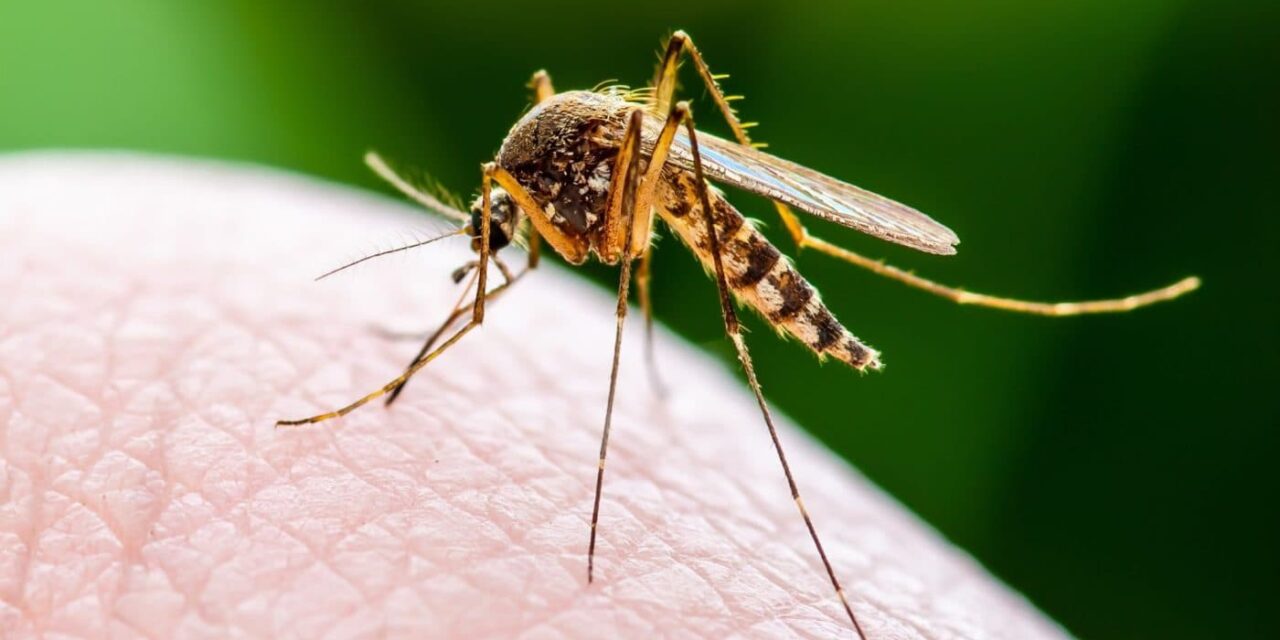
GUANGZHOU, CHINA – A team of Chinese scientists has unveiled a groundbreaking intelligent surveillance system designed to combat the spread of mosquito-borne diseases, offering a significant leap forward in public health protection. The innovative technology, developed by researchers at Southern Medical University, has already been implemented in communities across Guangdong Province and is showing promising results.
Traditional methods for monitoring mosquito populations, such as conventional traps, have long suffered from limitations in efficiency and real-time data collection. The new system addresses these shortcomings head-on with a coordinated network of dual devices. The first type of device, an automated monitor, uses human-mimicking attractants to lure and capture non-blood-fed mosquitoes. The second device, a smart oviposition bucket, targets blood-fed, egg-laying mosquitoes.
This two-pronged approach has proven to be remarkably effective. According to Professor Chen Xiaoguang, who leads the research team, the new system is four times more efficient than conventional traps. Furthermore, it provides real-time, cloud-based alerts when an abnormal surge in mosquito density is detected. This feature allows health officials to respond with targeted disinfection measures far more quickly than was previously possible.
Early field tests in key areas of Guangdong Province have already demonstrated the system’s impact. Data from these trials indicates a nearly 40 percent decrease in the capture of adult mosquitoes, highlighting the technology’s potential to dramatically reduce the risk of diseases like dengue fever and Zika. The research team is now focused on further refining the system to accelerate the prevention of mosquito-borne diseases and safeguard public health on a broader scale.
Disclaimer: This article is for informational purposes only and is not a substitute for professional medical advice. Always consult with a qualified healthcare provider for any health concerns.