 0
0
 0
0
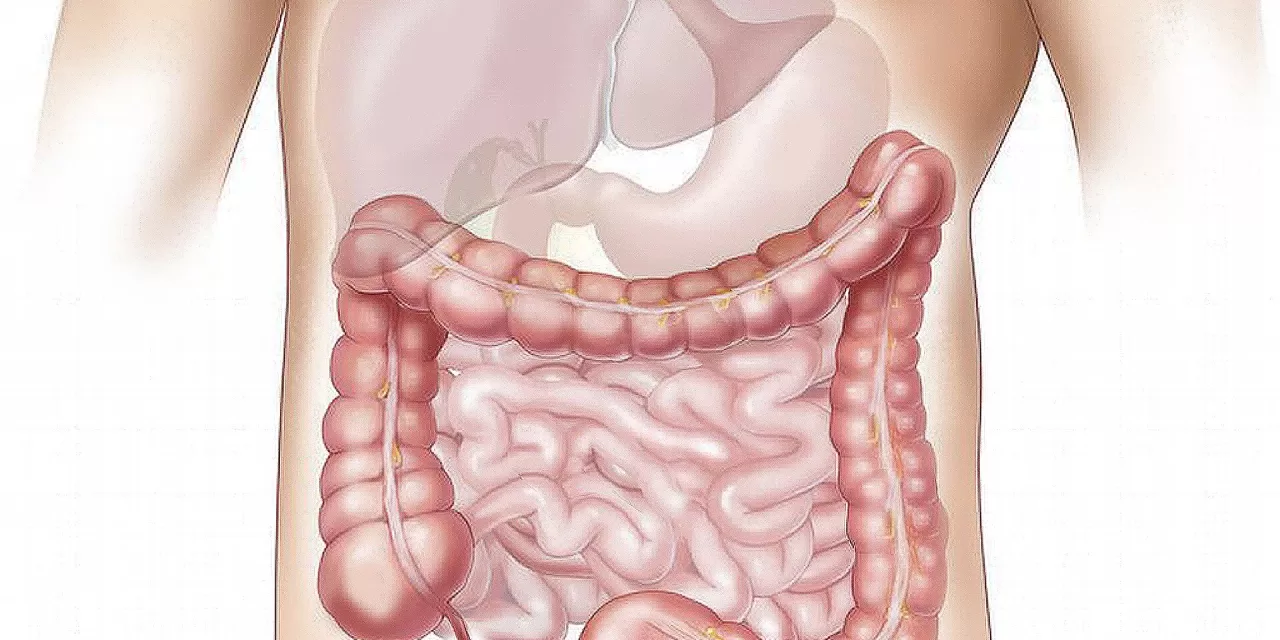
Vancouver, May 2, 2025 – A groundbreaking study from the University of British Columbia (UBC) has unveiled a novel drug delivery technique that could revolutionize treatment for inflammatory bowel disease (IBD) and other gut-related conditions. Dubbed “GlycoCaging,” this approach allows medications to be released directly in the lower gut, dramatically reducing the required dosage and minimizing harmful side effects.
Unlocking the Gut’s Potential
Published in the journal Science, the proof-of-concept study demonstrates how GlycoCaging uses a unique chemical process inspired by the way certain gut bacteria digest plant fibers. The research team bonded a drug molecule to a sugar-based “cage,” which can only be unlocked by specific bacteria found in the gut. This “treasure chest” mechanism ensures that the medicine is released precisely where it’s needed.
“With this technique, we have the ability to deliver not just steroids, but a range of drugs including anti-microbial compounds directly to the gut,” said Dr. Harry Brumer, co-senior author and professor at UBC’s Department of Chemistry and Michael Smith Laboratories. “This could potentially help people with IBD, gut infections, and more.”
Addressing a Growing Health Challenge
IBD affects an estimated 322,600 Canadians, with the country holding one of the highest incidence rates worldwide. The condition, which includes Crohn’s disease and ulcerative colitis, is often debilitating and strikes people in their prime years, between ages 19 and 29.
Current treatments, such as oral or intravenous steroids, can cause serious side effects like osteoporosis, high blood pressure, diabetes, and mental health issues. Because much of the medicine is absorbed before reaching the inflamed gut, doctors must prescribe high doses to ensure effectiveness.
Lower Doses, Fewer Side Effects
In their study, the UBC team treated mice with IBD using GlycoCaged steroids at doses three to ten times lower than standard treatments. Remarkably, the anti-inflammatory effects remained the same, but with far less drug circulating in the rest of the body. This targeted delivery could mean fewer side effects for patients.
“We showed that this technique can be used on other steroids and anti-inflammatory drugs commonly used in IBD treatment,” noted Dr. Changqing Wang, research associate at UBC.
Looking Toward Human Trials
To assess the potential for human treatment, researchers analyzed fecal samples from 33 people with and without IBD. They found that all participants had the necessary gut bacteria to activate the GlycoCaged drugs, regardless of disease status.
“The majority of people also had genetic markers indicating the ability to use the GlycoCage system,” said Maggie (Wei Jen) Ma, doctoral student at UBC and BC Children’s Hospital Research Institute.
The team has patented the technology and is now planning further animal and human clinical trials.
Disclaimer:
This article is based on preliminary research published in Science and summarized by Medical Xpress. While the findings are promising, the GlycoCaging technology is still in early stages of development and has not yet been tested in humans. Patients should consult healthcare professionals before considering any changes to their treatment. For more information, see the original study: Wei Jen Ma et al, Bespoke plant glycoconjugates for gut microbiota-mediated drug targeting, Science (2025). DOI: 10.1126/science.adk7633.
Citations: