 0
0
 0
0
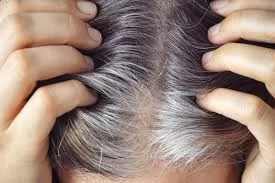
Gray hair, traditionally viewed as a permanent sign of aging, may soon be reversible at the cellular level according to new scientific research. Recent studies have identified mechanisms behind hair graying linked to pigment stem cells in hair follicles getting “stuck” and unable to replenish color-producing cells, raising hope for therapies to restore natural hair color. While this emerging field remains in early stages, the findings open exciting avenues for both understanding hair aging and developing potential treatments.
Gray Hair Reversal: Key Findings and Developments
Research now indicates that gray hair results from pigment stem cells failing to migrate and differentiate properly within hair follicles. These cells produce melanin, the pigment responsible for hair color. When stem cells “get stuck,” the follicle loses its ability to deposit pigment, causing hair to turn gray or white. A recent study, primarily conducted in mouse models but applicable to humans due to shared follicle structures, suggests that restoring this cellular migration and maturation process could reverse hair graying rather than simply masking it with dye.
Another important discovery is that gray hair pigmentation changes can be surprisingly dynamic. Quantitative profiling of human hair revealed that some gray hairs can naturally regain color within weeks to months, indicating a reversible pigment loss linked to local or systemic factors, including stress. This reversibility challenges the long-held assumption that gray hair is an irreversible aging sign.
Expert Perspectives and Context
Dr. Ralf Paus, a leading researcher in hair follicle biology, highlights that understanding hair graying requires focusing on melanocyte stem cells and their progeny in hair follicles, emphasizing the delicate balance between stem cell activation and depletion to maintain pigmentation over time. Furthermore, clinical dermatologists note cases where treatments involving stem cell approaches, topical biomimetic peptides, and certain supplements have been associated with notable repigmentation of gray hair in some patients, although these are early observations requiring more rigorous study.
The interaction of psychological stress with hair graying is another important factor, with studies showing that stress can not only accelerate graying but also that relieving stress might enable some repigmentation. Proteomic analysis reveals upregulation of energy metabolism and antioxidant defense proteins during this process, suggesting biochemical pathways that may be targeted therapeutically.
Implications for Public Health and Daily Decisions
For the general public, these discoveries highlight that gray hair is not solely a cosmetic inevitability tied to aging but may be influenced by lifestyle and biological factors that are potentially modifiable. Although widespread effective treatments to reverse gray hair are not yet available, maintaining overall health, managing stress, and supporting cellular health might contribute to slowing or partially reversing graying processes. Emerging therapies focusing on stem cell biology and pigmentation pathways are on the horizon, offering hope for future medical or cosmetic interventions that go beyond temporary dyeing.
Limitations and Balanced Reporting
Despite promising advances, current studies have limitations. Most preclinical research is conducted in mice, and human hair follicle biology, while similar, requires further validation. The complexity of pigment stem cell regulation means that simply “turning on” these cells is not enough; correct timing and balance are crucial to avoid depleting stem cell reservoirs. Clinical evidence is mainly from case reports or small studies, with few large-scale controlled trials available. Some treatments tested so far have inconsistent results or potential side effects, limiting their clinical application. Additionally, gray hair caused by genetics or aging alone may not respond to these approaches.
Medical Disclaimer: This article is for informational purposes only and should not be considered medical advice. Always consult with qualified healthcare professionals before making any health-related decisions or changes to your treatment plan. The information presented here is based on current research and expert opinions, which may evolve as new evidence emerges.
References