 0
0
 0
0
June 7, 2025 — A new meta-analysis published in JAMA Psychiatry offers promising evidence that deliberately provoking symptoms immediately before brain stimulation could enhance treatment outcomes for obsessive-compulsive disorder (OCD) and nicotine dependence.
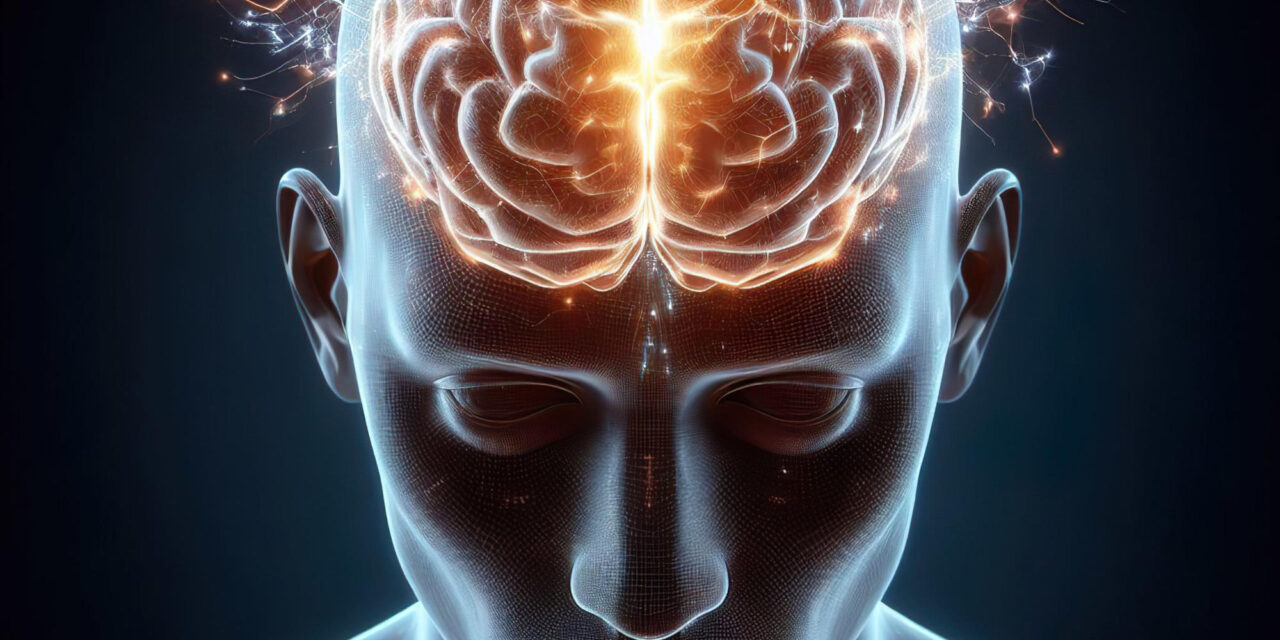
The study, led by Dr. Heather Burrell Ward, assistant professor of Psychiatry and Behavioral Sciences and director of Neuromodulation Research, in collaboration with Dr. Simon Vandekar and colleagues, is the first large-scale analysis to examine the impact of “symptom provocation” on the effectiveness of repetitive transcranial magnetic stimulation (rTMS). rTMS is a noninvasive brain stimulation technique already approved by the FDA for treating depression, OCD, and nicotine dependence.
What is Symptom Provocation?
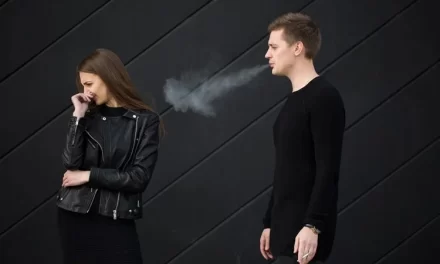
Symptom provocation involves deliberately triggering the symptoms of a disorder just before administering rTMS. For OCD patients, this might mean exposing them to objects or situations that trigger obsessive thoughts—such as touching a dirty surface for someone with hygiene obsessions. For those with nicotine dependence, it could involve holding or smelling a cigarette to induce cravings.
Key Findings
The meta-analysis reviewed results from numerous previous studies to determine whether symptom provocation improved clinical response to rTMS, measured by reductions in OCD symptoms or cigarette use. While the overall analysis did not find a statistically significant improvement, the data indicated that rTMS was nearly twice as effective when symptom provocation was used compared to when it was not.
“It was surprising to see that symptom provocation seemed to enhance clinical response for both OCD and nicotine dependence, despite different rTMS protocols, targets, and provocation methods,” said Dr. Ward.
Implications and Future Research
The findings suggest that activating specific brain circuits immediately before rTMS may make the treatment more effective. However, the researchers caution that the effects of symptom provocation may vary among different populations. For example, people with schizophrenia may not respond to nicotine cues in the same way as the general population, raising questions about the generalizability of the approach.
Dr. Ward emphasized the need for further research: “While this meta-analysis is incredibly valuable to the field, it is critical that prospective, randomized, controlled studies are performed that directly test if symptom provocation improves response to rTMS.”
Future studies will also explore whether symptom provocation could enhance rTMS for other disorders, such as additional substance use disorders, and whether certain brain circuits benefit more from this approach.
Vanderbilt at the Forefront
Vanderbilt University, where Dr. Ward and her team are based, continues to be a leader in researching ways to optimize rTMS treatments for a variety of mental health conditions.
Disclaimer:
This article summarizes findings from a recent study published in JAMA Psychiatry and reported by Medical Xpress. The information provided is for educational and informational purposes only and should not be construed as medical advice. Individuals should consult qualified healthcare professionals before making any decisions regarding medical treatments or interventions.